

7 Days Ladakh Trip – What Nobody Tells You About Travelling in Ladakh


Akshay Singh
Before going to Ladakh, I mostly heard the same things repeatedly. Beautiful landscapes. Crystal-clear lakes. Bike trips. Stargazing. Freedom.
All of that is true.
Still, nobody really explained how Ladakh feels once you are actually between those mountains for days. The experience becomes much more physical and emotional than people expect from photos online. From my personal experience, I will tell you how a Ladakh trip actually feels, not only the pros you get but also the cons you experience.
The Acclimatization Effect
The first surprise that I got after landing in Leh is that the air feels different
At first, everything looked calm and exciting. Then the dry air started becoming noticeable within a few hours. Walking uphill felt strangely tiring, my lips dried constantly, and even carrying luggage upstairs felt heavier than normal.
A lot of travelers underestimate altitude when booking Leh Ladakh tour packages because social media rarely talks about it honestly. The excitement of finally reaching Ladakh hides the physical effects during the first few hours.
By evening, the slower breathing becomes impossible to ignore.
Even local shopkeepers keep reminding tourists to rest on the first day. That advice sounds exaggerated until your own body starts reacting differently. Trust me on this, your body needs acclimatisation of at least two days before you start exploring Ladakh.
Long Riding Hours Exhaust You
Road trips in Ladakh look cinematic online. In reality, they are also long, tiring, dusty, and unpredictable. Some stretches feel endless.
At one point during the drive toward Pangong Lake, the roads kept twisting through empty brown mountains for hours without seeing proper towns nearby. The scenery remained stunning, but exhaustion slowly replaced excitement. That part rarely appears in travel reels.
People talk about “freedom on the roads,” but not about back pain, sudden weather changes, or sitting quietly for hours because everyone on the bike becomes too tired to speak.
Pangong Lake Is Beautiful, But It Is Not Quiet Anymore
Nobody can deny the beauty of Pangong Lake. The color of the lake changes constantly depending on sunlight, clouds, and wind. At certain moments, it genuinely looks unreal. But the surprising part is the crowd.
Do not expect complete silence and isolation because that is how Pangong usually appears in photographs. The reality is different. When we reached Pangong Lake, tourist vehicles lined the roads, and famous photo spots were crowded. As Delhi is a major hub to book Ladakh tour packages from Delhi, people from Delhi imagine Pangong lake to be peaceful, but during peak season, Pangong is really crowded.
If you have plans to stay near the lake or to stargaze at night, do remember that the cold also feels harsher than expected near the lake. The wind cuts through jackets easily, especially during evening hours. Phones drain battery faster, hands become numb, and staying outside too long stops feeling comfortable very quickly.
But I found the right to admire the beauty of the Pangong Lake. There are moments when the noise fades for a while. Early mornings near the lake feel completely different from afternoon crowds.
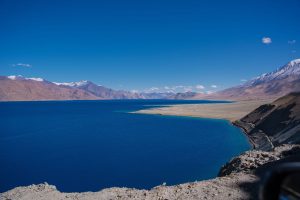
So, if you want to sit quietly beside the lake like me, it is early morning, 7 – 9 AM, but please carry heavy jackets, it is really cold near the lake.
The Silence Starts Affecting You Slowly
One thing nobody prepared me for was the silence. Not peaceful silence from meditation videos. Real silence.
Long stretches of road pass without traffic sounds. Nights feel unusually still. Internet signals disappear for hours in some places, and suddenly, there is very little to distract your mind anymore.
At first, it feels refreshing.
Then it starts feeling strange. We are so used to this traffic and device sounds that when you don’t get it, it feels strange and unusual. That’s what happened to me.
In cities, silence almost never exists anymore. In Ladakh, there were moments when I could hear only the wind moving outside the room at night. No traffic. No loud music. No constant phone notifications. That kind of quiet changes your mood slowly without you realizing it.
Uncomfortable Body and Mind
Traveling in Ladakh looks adventurous online, but the body and mind experience it differently.
Headaches come suddenly. Dehydration happens faster because of the dry climate. Some people in the group even lost their appetite completely during the first days, while others struggled to sleep properly because breathing felt unfamiliar at night.
Even basic things become tiring quicker than expected. Climbing stairs, walking uphill, or carrying backpacks starts demanding more energy. A lot of travelers pretend they are fine because they do not want to slow the group down. By the second or third day, exhaustion usually catches up anyway.
The best way to deal with acclimatization effects in Ladakh is by drinking water constantly. It is also better if you avoid smoking and drinking.
Nubra Valley: An Isolated Gem Getting Ruined by Tourism
Nubra Valley is a high-altitude cold desert oasis in Ladakh, situated at an average elevation of 10,000 feet and nurtured by the confluence of the Nubra and Shyok rivers. After the rough mountain stretches and dry landscapes, Nubra Valley feels surprisingly gentle.
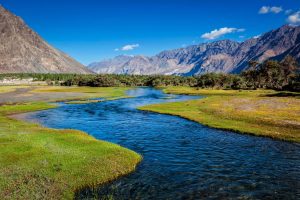
Because of its location beside the rivers, its greenery increases in certain areas, and the valley somehow feels calmer emotionally compared to the harsher mountain passes.
The sand dunes are a major attraction here; it is the only place in India where you can see a double-humped camel, and you can even ride it.
One evening in Nubra stayed with me longer than many famous viewpoints, because nothing dramatic happened. That was probably why it felt memorable.
I Realized Something About Travelling
My trip to Ladakh changed how I look at travel. I went there expecting beautiful views, but the journey felt much deeper than that. The long roads, weak network, cold air, and silence forced me to slow down in a way normal life never does.
I realized good travel is not always comfortable or perfectly planned. Some of the best moments came during quiet tea stops, silent drives, and unexpected pauses between destinations. If someone plans to visit Ladakh, I would honestly suggest traveling slowly there, because rushing through the trip makes you miss what actually stays with you later.
