

Sangeeta Das Banerjee: Capturing the Soul, Movement and Emotion of Indian Dance
- Life & More - In Hold SANDIP SOPARRKAR
 Life&More
- 0
- 7 minutes read


I recently met supremely talented, an accomplished photographer and filmmaker Sangeeta Das Banerjee, whose journey began with a background in economics and evolved into visual storytelling.
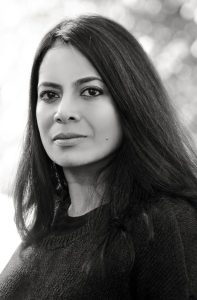
She has extensively documented Indian classical dance, theatre, and performing artists. She is associated with One Frame Story. Excerpts from the interview:
How and when did you decide to begin photographing dancers?
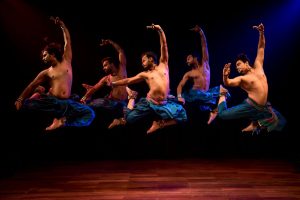
As a dancer, I have always been obsessed with movement and in awe of how dynamic the human form can be. When I looked at dance photography, I felt a gap existed. Too many photographs missed the power, precision, emotional depth, fluid grace, and explosive energy of what it actually feels like to dance. I felt dance was not being showcased to its full potential.
When I studied photography, my focus remained on capturing dance, especially in low-light situations. Actually, I wanted to use my training as a dancer to honour technique and years of training.
So, I studied photography to capture dance and, in the process, received the gift of photography in my life. And, I began shooting other projects too, but dance photography remains closest to my heart. A dancer remains a dancer, always, on stage or off it.
Tell me briefly about your dancing journey and why you moved from dancing to photography.
Since childhood, I have loved dancing. Dance has given me immense joy. Till Class 8, I trained in Kathak and Bharatanatyam, but was forced to discontinue dance due to medical reasons. The problem of an enlarged liver condition caused extreme pain when I danced.
During a sabbatical from my professional life to care for my family, there was a strong urge to return to dance. So, I approached Yamini School of Dance, but was told I was too old to restart training. I was in my late twenties.
I told myself that dance had once been taken away from me. Actually, I had no choice then, but i didnt want to let that happen again. Then, I found Danceworx, which welcomed adult beginners, and trained in jazz, contemporary, modern, and ballet for 15 years. Later, I also learned social dancing from Salsa India.
Later, medical complications stopped my dancing again. By then, photography had entered my life and I had begun dance photography professionally. I felt photography was the universe’s way of keeping me connected to dance. That is how my transition happened.
As a dance photographer, is it important to be a dancer or have knowledge of dance?
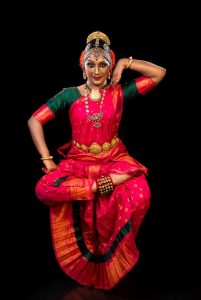
I believe that in any kind of photography, it is important to understand what one is photographing. Knowing the subject transforms the camera from a recording device into a tool for artistic expression and social change.
For dance photography, the camera can be compared with a painter’s brush. To create an evocative image, one has to understand dance. One need not be a dancer, but being one helps immensely. Understanding music, rhythm, timing, and form makes a photographer sharper and more precise. I would advise anyone interested in dance photography to watch dance, study it, and fall in love with it.
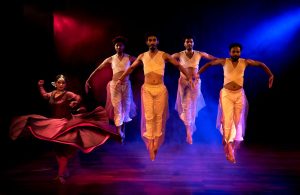
Who have you enjoyed photographing the most?
Two names immediately come to mind: legendary Padma Vibhushan Pandit Birju Maharaj and Padma Shri Astad Deboo. By then, Maharaj Ji had stopped active stage performances. I captured him in workshops and intimate mehfil settings. He was magical. His abhinaya was extraordinary; his eyes seemed to speak a thousand words. Watching him perform while seated and still touch the hearts of rasikas was unforgettable.
Photographing Astad Deboo, the icon of contemporary Indian dance, was equally remarkable. His movement was fluid, abstract, eclectic, deeply rooted, and completely personal. He created his own language of dance.
I cried tears of joy photographing both legends. Having the opportunity to interact with them created memories etched in my heart forever.
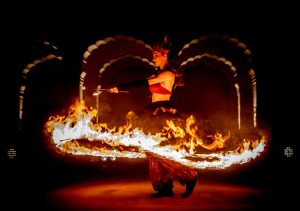
How has dance photography evolved?
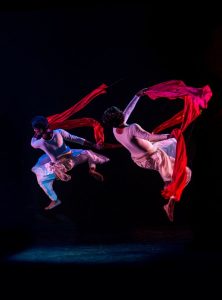
Dance photography in India was once largely treated as record-keeping, with flat lighting, fixed stage-front angles, and static poses for archives. With technological advances and deeper artistic understanding, it has evolved into an art form. Today, photographers capture speed, precision, atmosphere, lighting, narrative, tension, and athletic emotion. Images can now be created on stage, outdoors, in urban spaces, or through conceptual setups. Dance photography is no longer only documentation; its value in publicity and PR is increasingly recognised.
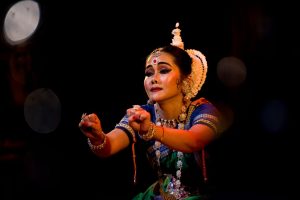
What advice do you have for budding dance photographers?
Study dance forms and understand the peak of movement so you can anticipate the decisive moment. Prioritise form and emotion equally. Respect the stage, venue rules, performers, and safety; never use flash irresponsibly or obstruct a performance. Respect the official photographer and seek permission before shooting when appropriate. Wait for official releases before flooding social media. If your photographs are used, seek fair remuneration and value yourself as an artist. Above all, she says, “Go and shoot, shoot and shoot!”
Sandip Soparrkar holds a doctorate in world mythology folklore from Pacific University USA, an honorary doctorate in performing arts from the National American University, He is a World Book Record holder, a well-known Ballroom dancer and a Bollywood choreographer who has been honored with three National Excellence awards, one National Achievement Award and Dada Saheb Phalke award by the Government of India. He can be contacted on sandipsoparrkar06@gmail.com
