

Uttam Kumar’s Cinema Legacy Comes Alive in Delhi on His Birth Centenary
- ENTERTAINMENT
 Life&More
- 0
- 4 minutes read


Rajkumari Sharma Tankha
Cinema of Uttam Kumar is being held at Vision – The Centre of Art in Greater Kailash 2. The exhibition celebrates the enduring legacy of Bengali cinema’s iconic matinee idol, Mahanayak Uttam Kumar, on the occasion of his birth centenary.
In an email conversation with Life & More, Bobby Kohli, Art Collector, Vision – The Centre of Art divulges more about the Mahanayak and his show.
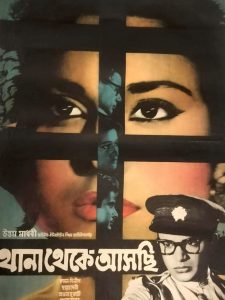
Apart from commemorating 100 years since his birth, what is the motive for holding this exhibition?
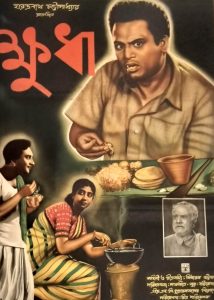
Beyond celebrating his birth centenary, the show celebrates physical cinema memorabilia – vintage hand painted posters, original lobby cards, and song booklets, that represent a design tradition in Indian film history which is now lost. In addition to this, bringing Bengali cinema heritage to Delhi allows local residents and cinema lovers to engage with regional film history in our gallery space.
Do you think Uttam Kumar is still relevant today?
We feel Uttam Kumar is absolutely relevant today. He pioneered the blueprint for modern stardom in Indian cinema. His films continue to be watched, his songs remain popular, and his image and style are still deeply embedded in Bengali popular culture. What we find particularly interesting is that younger audiences who did not grow up with Uttam Kumar are also discovering him now.
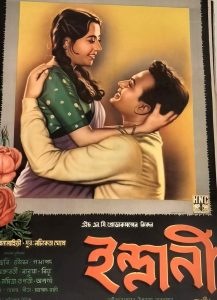
What are his contributions to Bengali cinema, and also to Hindi cinema?
Uttam Kumar defined the golden age of Bengali cinema in the 1950s–1970s. He formed the iconic screen pairing with Suchitra Sen and collaborated with the legendary filmmaker Satyajit Ray in classics like Nayak and Chiriyakhana.
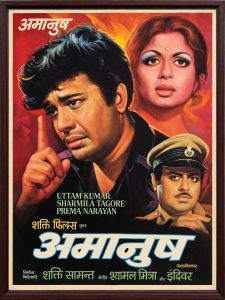
He also starred in major Hindi national hits, most notably Shakti Samanta’s Amanush (1975) and Anand Ashram (1977), which established his footprint among Hindi film audiences. This way, he also paved the way for regional stars to crossover into mainstream films.
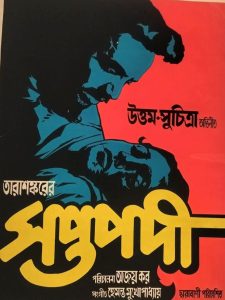
Who is the one contemporary actor with the likelihood of becoming the next Uttam Kumar?
It is almost impossible to recreate a phenomenon like Uttam Kumar because his stardom was tied to a unique socio-cultural era in Indian film history. Uttam Kumar’s legacy as the sole ‘Mahanayak’ remains singular and untouchable.
Will the exhibition be taken to other venues or cities?
At the moment, the exhibition is being held in Delhi, as well as our sister gallery in Goa, called Bobby’s Art. Going forward, Kolkata would be a natural destination, given Uttam Kumar’s connection with the city and with Bengali cinema. Moreover, given our rich collection of cinema memorabilia, we are also open to collaborating with cultural spaces, film societies or galleries in other cities.
What are your expectations from the exhibition?
We are hoping to foster community and conversation by creating a space where art lovers & cinephiles have an opportunity to discover classic Indian film art. We also want to highlight the importance of preserving the visual and physical history of Indian cinema. Photographs, posters and other archival material can disappear very easily. Exhibitions like this give us an opportunity to bring some of that history out of private collections and into the public domain.
