

Indian Cheese Revolution: How Gen Z and Millennials Are Redefining Paneer and Regional Cheeses

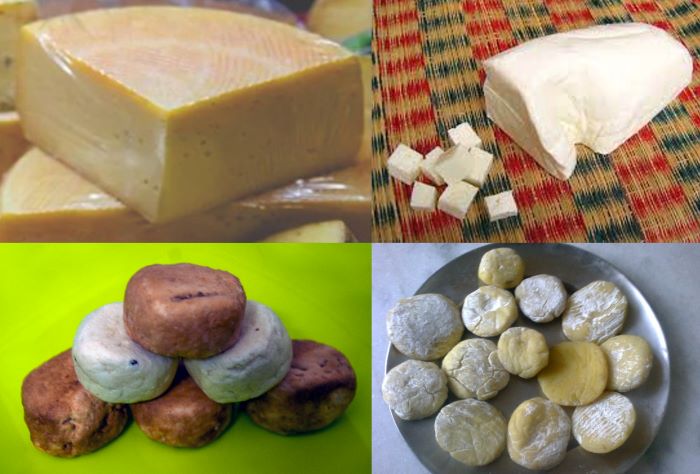
Different types of cheese (clockwise from top left) Kalimpong, Paneer, Bandel and Kalari Cheese
Chef Rohit Singh
Millennial and Gen Z food enthusiasts are reshaping the way classic dishes are prepared and presented. One of the most noticeable trends in this evolution is the increasing use of cheese as a flavour and texture enhancer. From street food to fine dining, cheese has become a global culinary upgrade that adds richness, visual appeal, and indulgence to everyday meals.
Across restaurants and home kitchens alike, chefs are experimenting with specialty cheeses to reinterpret familiar dishes. Brunches featuring cheese pairings and wine are gaining popularity in India, reflecting a shift in dining culture. While imported cheeses once dominated premium menus, there is now a strong movement towards promoting Indian-made cheeses and indigenous varieties. Interestingly, global audiences are also showing curiosity about locally produced cheeses that were earlier limited to regional use.
Paneer: India’s Everyday Cheese
One of the most widely used forms of cheese in India is paneer. Often taken for granted as a household staple, paneer is actually a fresh cheese made by curdling milk using natural acids such as lemon juice. The resulting product, known as chenna, forms the base for several popular Indian sweets and dishes.
Chenna is essential in iconic desserts like rasgulla, where it is shaped into soft balls and soaked in sugar syrup. It is also used in sweets such as sandesh, rasmalai, and cham cham, particularly popular in Bengali cuisine. This versatility makes paneer one of the most important indigenous cheeses in India.
Amul Cheese: A Household Staple
Amul cheese has become one of the most trusted and widely used processed cheeses in India. Found in kitchens across the country, it has played a significant role in introducing cheese-based cooking to Indian households. Its accessibility and consistency have made it a key ingredient in sandwiches, baked dishes, and fusion recipes.
Regional Indian Cheeses Gaining Recognition
Beyond paneer and processed cheese, India is home to several unique regional varieties that are gaining renewed attention.
Kalari cheese, native to the Jammu region, is known for its stretchy and slightly tangy texture. It is often pan-fried until golden and crisp, becoming a popular street food delicacy that highlights the rustic charm of Himalayan cuisine.
Bandel cheese from West Bengal carries a distinct salty and crumbly texture. Introduced during Portuguese influence in the region, it is typically available in small, dry, dumpling-like forms. Due to its strong flavour, people often soak it before use and then add it to salads, crackers, or eat it as a standalone snack.
Another lesser-known variety is Kalimpong cheese, which originates from the hill station of Kalimpong in West Bengal. This semi-soft cheese has a slightly acidic and tangy profile with a smooth outer rind.People often enjoy it in hill regions and pair it with wine, blending local tradition with colonial influence.
The Rise of Indian Cheese in Global Cuisine
As international chefs and travellers explore India’s culinary landscape, these regional cheeses are gradually gaining recognition beyond local boundaries. Restaurants are now incorporating Indian cheeses into global recipes, replacing imported varieties with homegrown alternatives that offer equally rich flavours and cultural authenticity.
This shift signals a broader movement in India’s food culture—one that values local ingredients while embracing global techniques. People now redefine cheese, once seen primarily as a Western ingredient, through an Indian lens.
From paneer in everyday kitchens to artisanal varieties like kalari, bandel, and kalimpong cheese, India’s cheese story is evolving rapidly. Driven by millennial and Gen Z experimentation, this transformation is not just about food trends—it reflects a deeper appreciation for indigenous ingredients and innovative culinary expression.
Chef Rohit Singh is Sous Chef, THE Park – Navi Mumbai
