

World Environment Day 2022: Why Green Homes Matter More Than Ever in a Warming World
- NATURE SUSTAINABLE LIVING
 Life&More
- June 5, 2022
- 0
- 11 minutes read

Akash Pharande
World Environment Day, celebrated on June 5, is a global reminder that we live on a planet with finite resources—and that how we build, consume, and live directly shapes its future. In 2022, the theme “Only One Earth” calls for urgent reflection on sustainable living in harmony with nature.
It is a message that feels increasingly urgent as climate change intensifies across the globe, including in India, where cities are already experiencing visible environmental stress.
Climate Change Is No Longer Distant—It Is Local
Mumbai, for instance, is witnessing sea levels rising by nearly 2 mm every year. According to NASA, continued glacier melt could raise sea levels by around 16 cm over the next century, placing coastal cities at significant risk. Studies also suggest that a one-metre rise in sea levels could submerge over 13,000 square kilometres of land across the Indian subcontinent.
A city like Mumbai—once reclaimed from the sea—now faces the real possibility of being reshaped by it once again.
Pune, historically known for its moderate climate, is also experiencing shifting weather patterns. The region has seen increasingly harsh summers, irregular rainfall, and unpredictable seasonal cycles—clear indicators of a changing climate.
Across the world, climate instability is driving extreme weather events, displacing populations, destroying infrastructure, and causing economic losses worth trillions. Despite growing evidence, meaningful behavioural and systemic change remains slow.
Real Estate and Its Environmental Footprint
The real estate sector plays a significant role in this environmental equation. Large-scale construction often leads to the loss of green cover, depletion of natural resources, and increased carbon emissions.
While most developers understand this impact, market demand continues to prioritise affordability over sustainability. This creates a cycle where cheaper housing often comes at the cost of environmental degradation.
Mass housing projects are typically built to maximise built-up area, leaving minimal or no space for green cover. In addition, cost pressures often lead to the use of conventional construction materials rather than eco-friendly alternatives.
Why Green Homes Are the Need of the Hour
Green homes and sustainable townships offer a long-term solution to this challenge. Unlike conventional housing, they are designed to reduce environmental impact at every stage—from construction to long-term use.
Key features of sustainable housing include:
- Solar energy systems for reduced dependence on fossil fuels
- Rainwater harvesting to conserve and reuse water
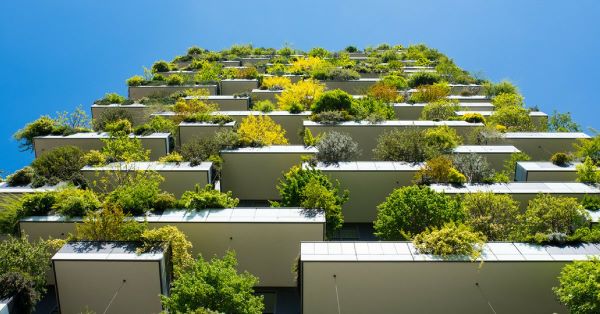
- Preservation of green cover including native trees and vegetation
- Energy-efficient design to reduce cooling and lighting needs
- Waste and water recycling systems
- Optimised internal mobility to reduce emissions from congestion
Green cover is not merely aesthetic. It plays a critical role in improving air quality, regulating temperature, and reducing the urban heat island effect. Natural shade and airflow also reduce dependence on artificial cooling systems, lowering energy consumption significantly.
Do Green Homes Really Make a Difference?
While sustainable housing may involve a slightly higher initial cost, it often proves more economical in the long run due to reduced energy and water consumption.
More importantly, green homes contribute directly to environmental preservation. Certified projects, such as those approved by agencies like GRIHA, must meet strict sustainability and environmental performance standards.
These certifications ensure that buildings are not just structurally sound, but also environmentally responsible.
A Shift in Mindset: From Cost to Value
In rapidly growing Indian cities, housing demand continues to rise. As more people search for their dream homes, the choice between conventional and sustainable housing becomes increasingly important.
Choosing a green home is not just a lifestyle decision—it is an environmental commitment. It supports reduced emissions, conserves resources, and promotes healthier living conditions for future generations.
World Environment Day serves as a reminder that sustainability is not a one-day initiative, but a long-term responsibility. Every home built today shapes the planet of tomorrow.
One Earth, One Responsibility
The idea of “Only One Earth” is not symbolic—it is a reality that demands action. Climate change is already transforming cities, ecosystems, and lives.
Green homes represent one of the most practical and impactful ways individuals can contribute to environmental preservation. By choosing sustainable housing, we move from awareness to action—and from consumption to conservation.
Because the future of the planet may well depend on the choices we make when we choose where and how we live.
Akash Pharande is Managing Director, Pharande Spaces
