

High Heels and Tight Shoes May Lead to Claw Toes: Know the Risks and Prevention Tips

Vinod Kumar
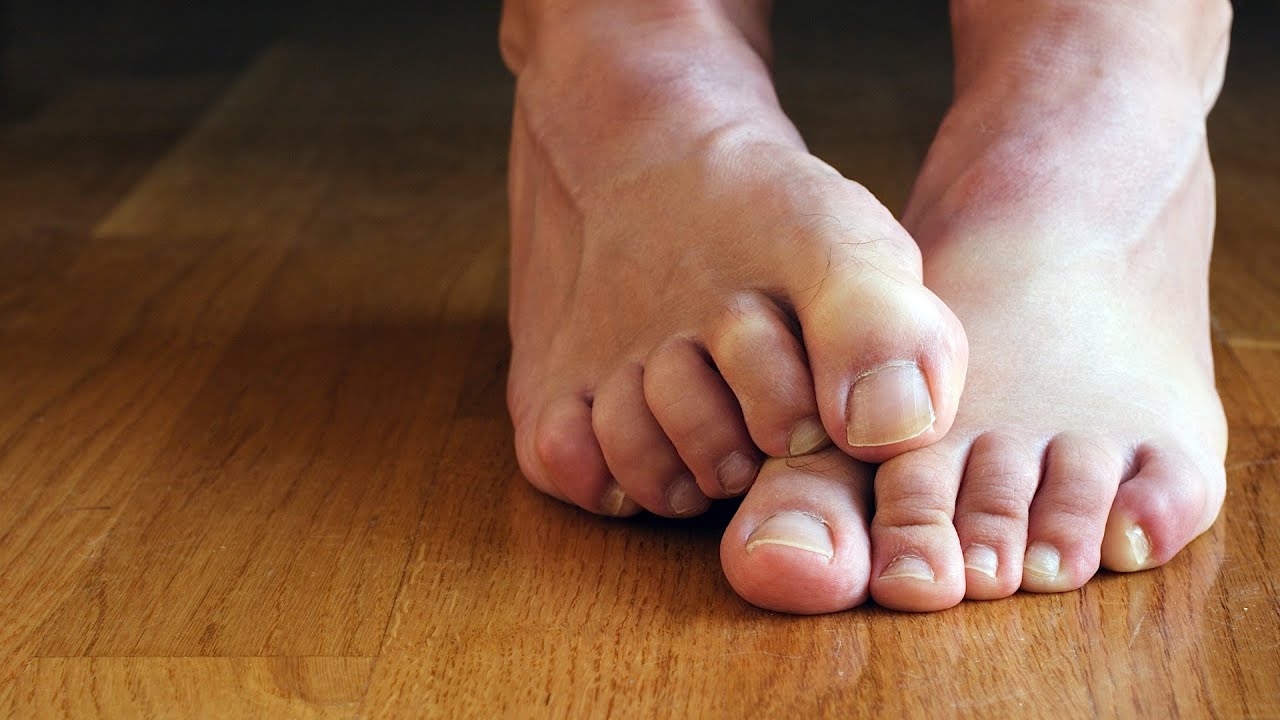
Wearing tight-fitting and high-heeled shoes may do more harm than just causing temporary discomfort. Orthopaedic experts warn that such footwear can weaken foot muscles and lead to claw toes, a common forefoot deformity that causes toes to curl downward at the end joint, resembling little claws.
In India, nearly 20 per cent of people are affected by claw toes, with women being four to five times more likely to develop the condition than men, according to various studies. The prevalence of this toe deformity increases with age and is most commonly observed in individuals in their seventies and eighties.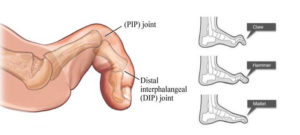
What Causes Claw Toes?
Claw toes usually develop due to a muscle imbalance in the foot, which causes muscles and tendons to tighten abnormally and pull the toes into a curled position.
The most common trigger is ill-fitting footwear, particularly shoes with:
- High heels
- Narrow toe boxes
- Tight pointed fronts
Certain medical conditions such as diabetes, arthritis, rheumatoid arthritis (RA), and cerebral palsy may also contribute to the development of claw toes.
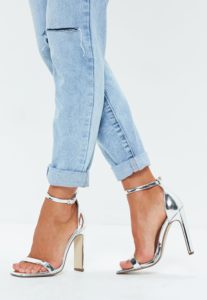
High heels place excessive pressure on the balls of the feet and force the toes into unnatural positions. Over time, this can weaken foot muscles, worsen imbalance, and lead to permanent deformity.
Expert Advice on Choosing the Right Footwear
According to Dr Raju Vaishya, senior orthopaedic surgeon at Indraprastha Apollo Hospitals:
“Many foot-related problems can be avoided with shoes that are appropriate for an individual’s feet, body, and lifestyle. Prolonged use of high heels with narrow toe boxes can reshape the foot, leading to claw toes, hammer toes, bunions, corns, and even knee and back pain.”
He recommends choosing shoes with:
- A wide toe box
- Heels no higher than two inches
- A platform under the toe box if higher heels are worn, as this helps reduce stress on the forefoot.
Why Claw Toes Should Not Be Ignored
Claw toes are not merely a cosmetic concern. The condition can cause:
- Significant foot pain
- Difficulty wearing shoes
- Corns and calluses
- Reduced mobility
- Skin ulcers and infection in severe cases
The condition often starts as a flexible deformity but gradually becomes rigid if left untreated, making correction more difficult.
Dr Vaishya, who is also president of the Indian Cartilage Society and Arthritis Care Foundation, notes that rheumatoid arthritis is one of the leading causes of claw toes in women.
“Many people with RA develop bunions, calluses, or claw toes. The resulting pain often discourages standing and walking, affecting overall mobility and quality of life,” he explains.
Treatment Options for Claw Toes
Treatment depends on the severity and flexibility of the deformity. Options include:
Conservative treatments:
- Medical evaluation and physiotherapy
- Foot exercises
- Specially designed orthopaedic footwear
- Protective padding to reduce pressure
- Avoiding tight or high-heeled shoes
Shoes with extra depth allow room for curled toes and reduce discomfort.
Surgical treatment is reserved for severe or rigid deformities. In such cases, the bone at the base of the toe may be shortened to allow straightening. Recovery after surgery may take six to eight months.
Prevention is Better Than Correction
Experts emphasise that early intervention is key. Choosing proper footwear and seeking medical advice at the first sign of toe discomfort can prevent claw toes from progressing into a painful, permanent deformity.

1 Comment
Commonly I don’t examine write-up upon sites, on the other hand want to claim that this write-up incredibly forced us to take a peek on and apply it! Your crafting flavour continues to be surprised me. Cheers, pretty wonderful post abraison.