

Rare Gandhi Photos by Walter Bosshard Spotlight India’s Freedom Struggle
- VISUAL ARTS
 Life&More
- 0
- 6 minutes read

Team L&M
Seventy years after the assassination of Mahatma Gandhi in 1948, an exhibition of photographs of Swiss photographer Walter Bosshard (1892–1975) is likely to shed new light on the Independence movement, the salt march to Dandi in 1930 and the personality of its leader.
This will be the first time that these photographs will be seen in India at Kiran Nadar Museum of Art (KNMA).
51 iconic portrays of Gandhi and Mao
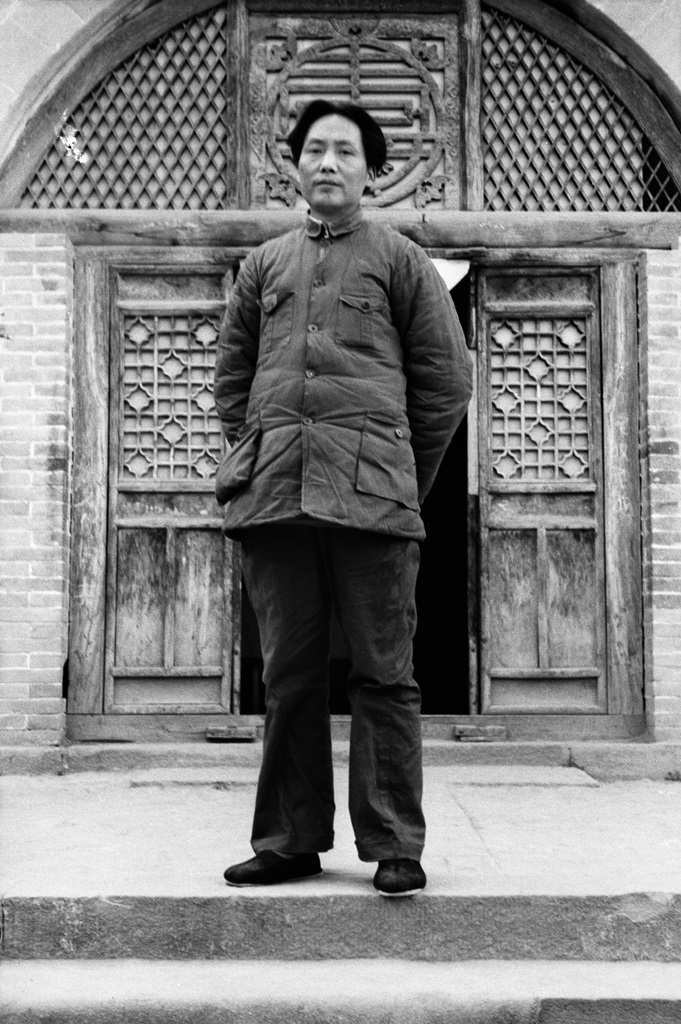
Co-produced by Fotostiftung Schweiz (Winterthur) and Critical Collective (Delhi), the exhibition brings together 51 of Bosshard’s iconic portrays of Gandhi and Mao.
The original negatives have been digitised in Switzerland in order to produce high quality exhibition prints in India. The exhibition, open to public from October 1 to October 30, also includes a 1921 silent film on Mao shot by the legendary photographer.


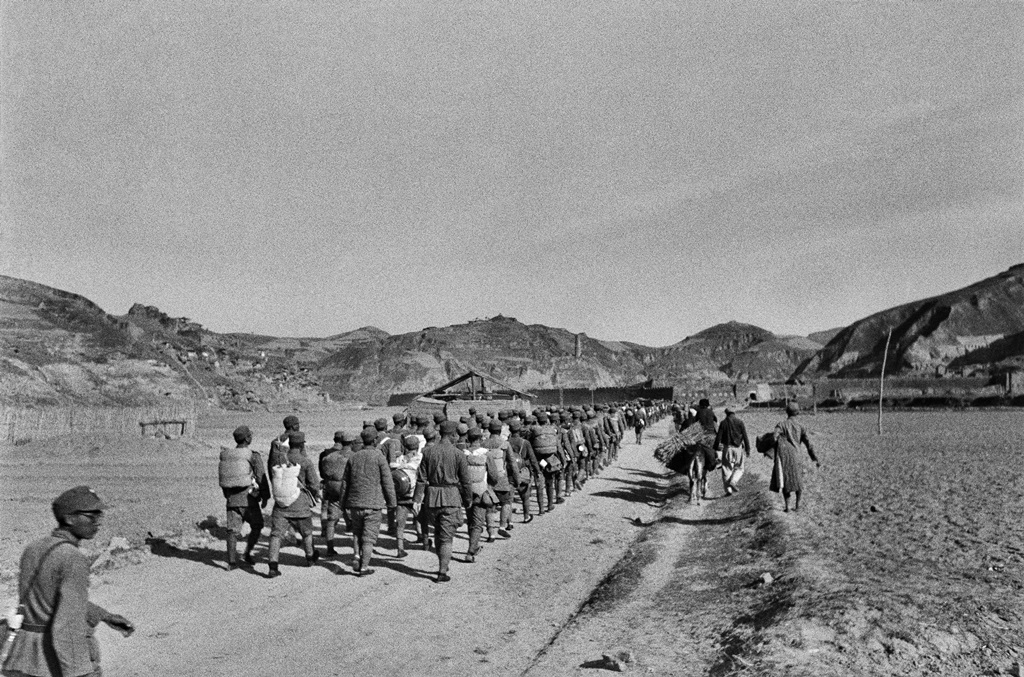
Bosshard preceded the illustrious photographers Henri Cartier-Bresson and Margaret Bourke-White who came to India in the late 1940s to photograph the Mahatma, by documenting this first vital gesture of the Civil Disobedience movement. A few years later, he travelled to China to document Mao Zedong and the Red army training in the caves of Yan’an. Co-curaotrs Gayatri Sinha and Peter Pfrunder bring together this rare archive of Gandhi and Mao images at the Kiran Nadar Museum of Art.
Pioneer Photo-journalist
The Swiss photographer was a pioneer in the field of photojournalism. A master of both the word and the camera, he made a name for himself as a bridge builder between Asia and Europe, reporting on key political events and daily life in Asia in the 1930s. Today, his photographs and films are a rich source of information for understanding global history.
Assignment HIghlights
The highlight of his assignment appeared on May 18, 1930 when the Münchner Illustrierte published Walter Bosshard’s story on Mahatma Gandhi.
The cover of the magazine showed Gandhi deeply immersed in reading, his head leaning on his hand. Inside the magazine, the viewer encountered the Mahatma in intimate situations – while he ate onion soup, while he shaved, and even while he slept.
Publishers widely distributed and admired Bosshard’s unusual portraits. The photographs challenged Gandhi’s own ambivalent attitude to photography, as Bosshard noticed. When asked for permission to take photographs, the camera-shy Mahatma replied, “I have sworn never to ‘pose’ for a photographer! Try your luck, perhaps it might even turn out well”.
Bosshard published the impressions of his journey through India in his 1931 book Indien kämpft!.


From India, Back to China
From India Bosshard then returned to China. He had visited China in 1921, and made the first silent film on Mao Zedong, the emergent revolutionary. Living and working in China between 1933 and 1939, Bosshard photographed daily life, the bombing of Hankon and China’s nomadic communities.
Most importantly, he photographed Mao Zedong in the caves of Yan’an, the training of the Red army, Chiang Kai-shek and Soong Mei-ling. Bosshard occupies a singular place in 20th century photographic history.
Today nearly 90 years later, his photographs offer a compelling comparison between two dominant figures of Asia, Gandhi and Mao as viewed from a single lens. Photographs of the Dandi March and the training of the Red Army, the message of nationalism and the symbols of resistance that these leaders adopted, reveal salient aspects of Asia’s history.
