

Why Parents Should Limit Hand Sanitiser Use for Children

Dr Suresh Birajdar
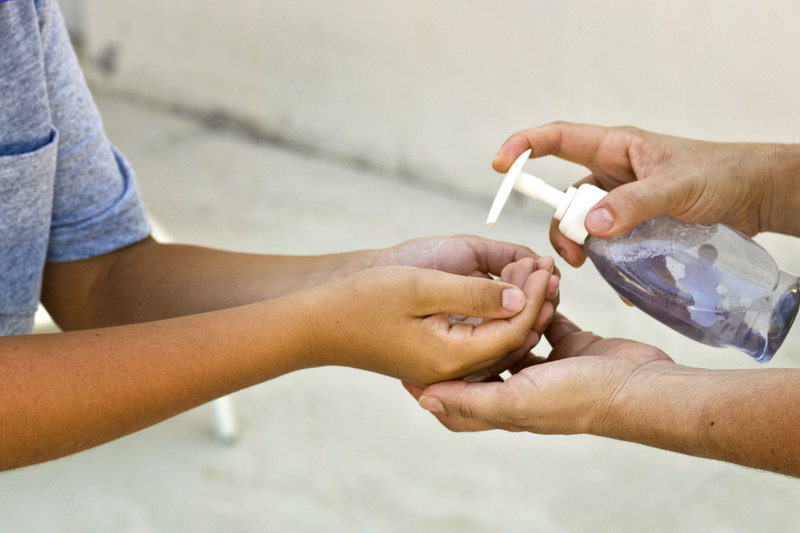
Hand hygiene plays a crucial role in preventing the spread of infections, including COVID-19 and other contagious diseases. While hand sanitisers are effective in killing germs, experts caution that excessive and improper use of hand sanitiser in children may do more harm than good.
Overusing hand sanitisers can cause skin irritation, dryness, and may even affect children’s natural immune defences, making it important for parents to understand the right balance.
Why Hand Hygiene Matters
Diseases spread through droplets and contaminated surfaces can transmit viruses such as the coronavirus. Coronaviruses are a large family of viruses that can cause illnesses ranging from the common cold to severe respiratory infections.
Common symptoms include:
- Fever
- Cough
- Breathing difficulties
In severe cases, infections can lead to pneumonia and other serious complications.
Teaching children proper hand hygiene is one of the most effective ways to reduce infection risk.
Soap and Water vs Hand Sanitiser
Health experts recommend washing hands with soap and water as the most effective way to remove germs and viruses.
When soap and water are unavailable, using a hand sanitiser containing at least 60% alcohol can help eliminate harmful bacteria and viruses.
However, excessive use should be avoided, especially for children with sensitive skin.
Why Parents Should Use Hand Sanitisers Carefully
Although hand sanitisers are convenient, affordable, and easy to carry, overuse can cause several issues for children.
1. Skin Dryness and Irritation
Most hand sanitisers contain alcohol-based ingredients such as:
- Isopropyl alcohol
- Ethanol
- N-propanol
These ingredients can strip away the skin’s natural oils, leading to:
- Dryness
- Skin irritation
- Redness
- Increased risk of dermatitis
Children’s skin is more delicate than adults’, making them more vulnerable to damage.
Tip: Applying moisturiser after sanitiser use can help restore the skin barrier.
2. Disruption of Skin’s Natural Protection
Frequent sanitiser use may weaken the skin’s protective barrier, reducing its ability to defend against environmental irritants and bacteria.
This can make children more prone to skin sensitivity and infections.
3. Risk of Antibiotic Resistance
Some hand sanitisers contain triclosan, an antibacterial ingredient that has raised concerns among health experts.
Studies suggest triclosan may:
- Contribute to antibiotic resistance
- Disrupt hormone function
- Reduce beneficial bacteria that help protect against harmful germs
Choosing triclosan-free hand sanitisers is a safer option for children.
Best Practices for Parents
To protect children while maintaining hygiene:
✔ Encourage frequent handwashing with soap and water
✔ Use hand sanitiser only when washing facilities are unavailable
✔ Choose child-safe, triclosan-free sanitisers
✔ Apply moisturiser regularly
✔ Supervise younger children during sanitiser use
The Bottom Line
Hand sanitisers are an effective hygiene tool, but moderation is essential. For children, balanced use combined with regular handwashing offers the safest and most effective protection against infections.
Dr Birajdar is consultant, Paediatrics & Neonatology, Motherhood Hospital, Kharghar, Mumbai
