Upasana Kaura For years, waste has largely been seen as something to be collected, transported and discarded. But that mindset is gradually changing across India. From kitchen scraps and coconut shells to invasive aquatic plants and discarded metal, materials once considered worthless are increasingly being viewed as resources that can be recovered, reused and put […]Read More
Tags : waste management
Beyond Clean Streets: How Swachhata Is Creating Livelihoods and Opportunities
Upasana Kaura In Loni, Uttar Pradesh, a group of women has found an unusual use for a material that often creates a waste-management problem — cow dung. Around gaushalas and dairies, accumulated cow dung can clog drains and sewage channels. In Krishna Vihar Colony, however, women began using it to make incense sticks and Loban […]Read More
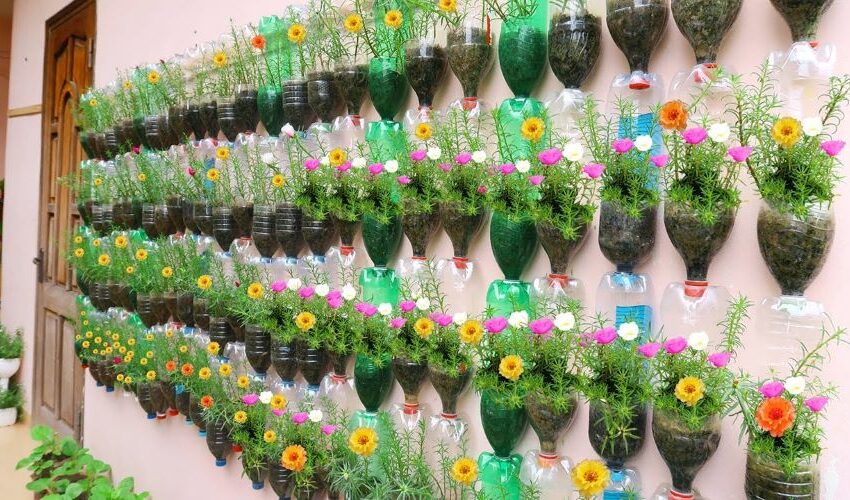
Meenu Kumar Turning useful and aesthetic decor items from the waste available around you instead of throwing them are the best way of using them. Furthermore, we should initiate waste management at home and follow the 3 R’s mantra: reduce, reuse, and recycle, to minimize landfill waste. Reusing waste is not only environmentally friendly but […]Read More
Taruna Sharma In a world drowning in waste, real change often begins at home — sometimes right inside your kitchen. Every day, households generate vegetable peels, fruit scraps, leftover food, and other organic waste that usually ends up in overflowing garbage dumps. What many people fail to realise is that this so-called “waste” is actually […]Read More
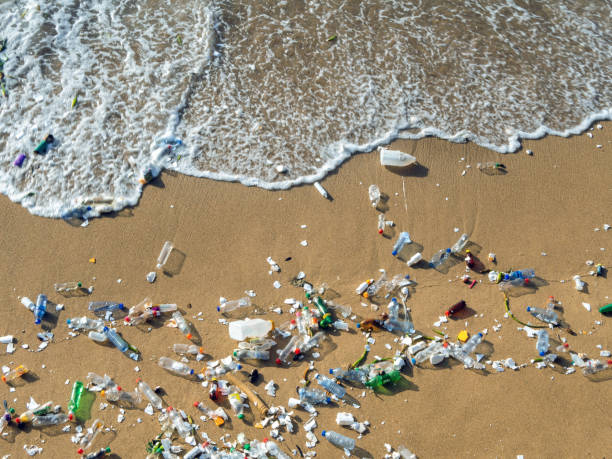
Dr Mukesh Kwatra Plastic is everywhere so much so that humans are now vulnerably reliant on it. Decades of plastic use has contaminated our environment – air, water, and soil. Plastics can take hundreds of years to decompose depending on the material. For instance, plastic bottles require approximately 450 years to decompose in a landfill. […]Read More
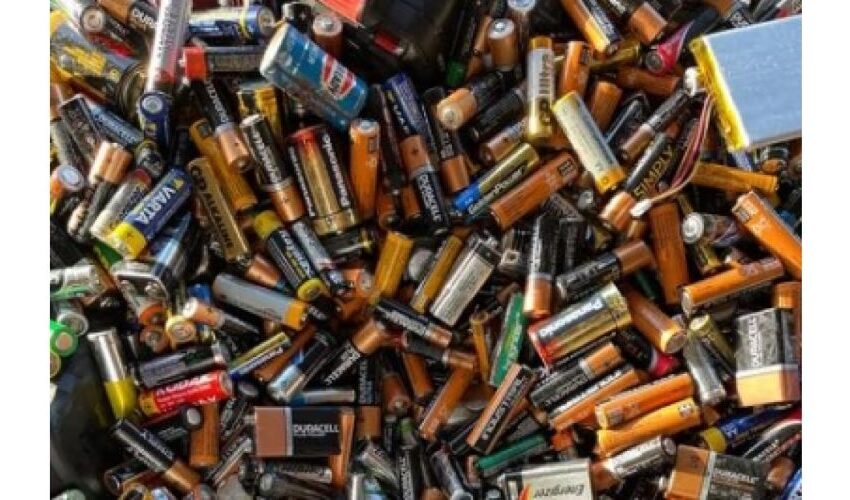
Team L&M Delhi-NCR is rapidly turning into a major global e-waste dumping ground, with the capital alone accounting for nearly 85% of waste generated in the developed world. According to a study by the Council on Climate Change & Environment, ASSOCHAM, the region could generate nearly 1,50,000 metric tonnes (MT) of e-waste annually by 2020. […]Read More
Adopt these simple measures and reduce the amount of waste you generate. Read More