

From Fallen Leaves to Fertile Soil: How ARI Pune Is Turning Garden Waste into a Greener Future By converting garden waste into compost, nurturing plant diversity and promoting nutrition-focused home gardening, Agharkar Research Institute is demonstrating how science can make campus management more sustainable. What if the leaves that fall from trees could nourish new growth instead of being discarded as waste? At the Agharkar Research Institute (ARI), Pune, this idea is part of a practical approach to environmental management. The Institute produces approximately 6,000 kg of compost annually from fallen leaves and garden waste. The compost is used in its gardens, turning organic residues into a valuable resource while reducing the volume of waste requiring disposal. The initiative puts the principles of a circular economy into practice: returning organic matter and nutrients to the soil instead of treating them as waste. Turning Garden Waste into Compost At ARI, fallen leaves and other garden residues are collected, crushed into smaller pieces and placed in a designated compost pit. The material is mixed weekly to improve aeration and support microbial decomposition. Over approximately three to four months, microorganisms break down the organic material into stable compost that can be used in the Institute’s gardens. ARI uses a mixture of 80% compost and 20% soil for gardening. This helps improve soil structure, increase water-holding capacity, add organic matter and support nutrient availability for plants. Producing compost on-site also reduces the need for externally purchased gardening inputs. By using locally available resources, the Institute limits waste disposal requirements and supports more efficient campus management. On-site composting can also reduce waste transportation and the environmental impacts associated with landfill disposal. A Campus Rich in Plant Diversity ARI’s green spaces cover approximately two acres and support a diverse collection of plants. The Institute’s Garden Section maintains around 308 trees representing more than 100 species, 39 medicinal plant species, 2,300 ornamental plants and 800 seasonal flowering plants, alongside a variety of vegetables. This diversity contributes to the campus’s green infrastructure and provides opportunities to appreciate the ecological and practical value of different plant species. The Institute’s Orchidarium further supports the conservation and display of orchid diversity. It also facilitates specialised plant conservation and educational activities, helping build awareness of the importance of preserving plant life. Together, these gardens demonstrate how maintaining diverse vegetation can contribute to a greener campus while supporting awareness of biodiversity conservation. Growing Nutrition in a Compact Space ARI’s efforts extend beyond garden maintenance through its 6×6 Nutrition Garden Model, which demonstrates how families can grow a variety of vegetables in a limited space. Designed for an area measuring six metres by six metres, the model showcases the cultivation of 23 types of vegetables through systematic crop planning and efficient use of available land. Developed with the nutritional needs of a family of five to six members in mind, it illustrates how home gardening can improve access to fresh produce and encourage dietary diversity. The approach is particularly relevant for urban households with limited outdoor space. It also offers potential for adaptation in peri-urban and rural communities seeking to make better use of available land. Growing different vegetables in a planned manner can help families incorporate a wider range of produce into their diets and reduce dependence on externally sourced vegetables. Actual yields, however, will depend on seasonal conditions, crop selection and growing practices. By combining scientific crop planning with household nutrition, the model demonstrates how even a compact growing area can serve a practical purpose beyond conventional gardening. Making Cleanliness More Meaningful ARI’s initiatives highlight a broader understanding of cleanliness. Maintaining a clean campus involves not only removing waste but also managing it responsibly and finding productive uses for discarded materials. The Institute’s composting process, diverse green spaces and nutrition garden illustrate how scientific knowledge can be translated into everyday environmental practices. The approach also offers lessons for other institutions and communities. Composting garden residues, choosing suitable plants and planning small vegetable gardens are practices that can be adapted to local needs and available resources. A Practical Approach to Sustainability The Agharkar Research Institute’s work demonstrates how scientific thinking can support more responsible campus management. By converting approximately six tonnes of garden waste into compost each year, maintaining a diverse collection of plants and promoting compact nutrition gardening, the Institute brings together waste management, soil improvement, plant conservation and household nutrition. Its efforts show that sustainability can begin with resources already available around us. Fallen leaves can enrich the soil, gardens can support plant diversity, and a small plot can become a source of fresh vegetables. These practical initiatives underline the role scientific institutions can play in demonstrating environmental solutions that others may adapt to their own surroundings.
- NATURE SUSTAINABLE LIVING
 Life&More
- 0
- 7 minutes read


Nutrition Garden Model demonstrating scientific crop planning and efficient utilisation of garden space.
By converting garden waste into compost, nurturing plant diversity and promoting nutrition-focused home gardening, Agharkar Research Institute is demonstrating how science can make campus management more sustainable.
Upasana Kaura
What if the leaves that fall from trees could nourish new growth instead of being discarded as waste? At the Agharkar Research Institute (ARI), Pune, this idea is part of a practical approach to environmental management.
The Institute produces approximately 6,000 kg of compost annually from fallen leaves and garden waste. The compost is used in its gardens, turning organic residues into a valuable resource while reducing the volume of waste requiring disposal.
This initiative puts the principles of a circular economy into practice. Instead of treating organic material as waste, it returns nutrients to the soil. The approach offers a practical example of garden waste composting, demonstrating how institutions can make better use of resources already available on their premises.
Turning Garden Waste into Compost
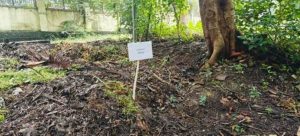
At ARI, fallen leaves and other garden residues are collected, crushed into smaller pieces and placed in a designated compost pit. The material is mixed weekly to improve aeration and support microbial decomposition.
Over approximately three to four months, microorganisms break down the organic material into stable compost that can be used in the Institute’s gardens. This process of creating fallen leaves compost helps transform seasonal garden litter into a useful resource for maintaining green spaces.
ARI uses a mixture of 80% compost and 20% soil for gardening. This helps improve soil structure, increase water-holding capacity, add organic matter and support nutrient availability for plants.
These are among the key benefits of compost for soil, particularly when it is used as part of a well-managed gardening practice. Producing compost on-site also reduces the need for externally purchased gardening inputs. By using locally available resources, the Institute limits waste disposal requirements and supports more efficient campus management.
On-site composting can also reduce waste transportation and the environmental impacts associated with landfill disposal.
The same principle can be applied at home. Households interested in learning how to make compost at home can begin by collecting suitable biodegradable garden waste and vegetable scraps, maintaining adequate aeration and moisture, and allowing sufficient time for decomposition. The process requires care, but it can help reduce household waste while producing a useful soil amendment.
A Campus Rich in Plant Diversity
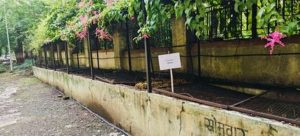
ARI’s green spaces cover approximately two acres and support a diverse collection of plants. The Institute’s Garden Section maintains around 308 trees representing more than 100 species, 39 medicinal plant species, 2,300 ornamental plants and 800 seasonal flowering plants, alongside a variety of vegetables.
This diversity contributes to the campus’s green infrastructure and provides opportunities to appreciate the ecological and practical value of different plant species.
The Institute’s Orchidarium further supports the conservation and display of orchid diversity. It also facilitates specialised plant conservation and educational activities, helping build awareness of the importance of preserving plant life.
Together, these gardens demonstrate how maintaining diverse vegetation can contribute to a greener campus while supporting awareness of biodiversity conservation.
Growing Nutrition in a Compact Space
ARI’s efforts extend beyond garden maintenance through its 6×6 Nutrition Garden Model, which demonstrates how families can grow a variety of vegetables in a limited space.
Designed for an area measuring six metres by six metres, the model showcases the cultivation of 23 types of vegetables through systematic crop planning and efficient use of available land.
Developed with the nutritional needs of a family of five to six members in mind, it illustrates how home gardening can improve access to fresh produce and encourage dietary diversity.
The approach is particularly relevant for urban households with limited outdoor space. It also offers potential for adaptation in peri-urban and rural communities seeking to make better use of available land.
Growing different vegetables in a planned manner can help families incorporate a wider range of produce into their diets and reduce dependence on externally sourced vegetables. Actual yields, however, will depend on seasonal conditions, crop selection and growing practices.
By combining scientific crop planning with household nutrition, the model demonstrates how even a compact growing area can serve a practical purpose beyond conventional gardening.
Making Cleanliness More Meaningful
ARI’s initiatives offer a broader understanding of cleanliness. A clean campus is not just about removing waste. It is also about managing it responsibly and putting discarded materials to good use.
The Institute combines composting, diverse green spaces and nutrition gardening. These efforts turn scientific knowledge into practical environmental solutions.
This approach is relevant to organic waste management India needs to strengthen. Cities, institutions and residential communities all need better ways to manage biodegradable waste.
Simple steps can make a difference. Communities can compost garden waste, grow suitable plants and create small vegetable gardens. Institutions like ARI can inspire others by demonstrating practical, science-based solutions to everyday environmental challenges.
A Practical Approach to Sustainability
The Agharkar Research Institute Pune shows how small, practical steps can make campus management more sustainable. Each year, the Institute transforms approximately six tonnes of garden waste into compost. It also maintains diverse green spaces and promotes nutrition gardening.
The idea is simple: make better use of what nature provides. Fallen leaves can nourish the soil. Diverse plants can enrich green spaces. Even a small garden can provide fresh vegetables for a family.
ARI’s work offers a valuable lesson for other institutions and communities. Sustainability does not always require major changes. It can begin with a simple shift in how we manage waste, and care for plants.
