

Silken Kelly on Ballet, Career Challenges and the Future of Dance in India
- SANDIP SOPARRKAR
 Life&More
- 0
- 12 minutes read


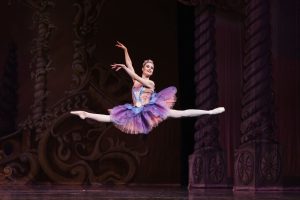
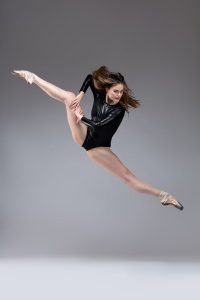
An accomplished American ballet dancer, Silken Kelly is also a choreographer and performer from Denver, Colorado, whose training began at the Academy of Colorado Ballet and continued at the Houston Ballet Academy. She received full scholarships to prestigious programmes at the School of American Ballet, Houston Ballet, and Ballet West. Her professional career has included performances with Houston Ballet, Dance Theatre of Harlem, Cleveland Ballet, and Les Grands Ballets Canadiens, as well as international tours with Rock the Ballet.

Kelly is also the founder of Contingent Ballet, through which she has explored choreography, dance films, and independent performance. In 2025, she was promoted to Principal with Golden State Ballet, where her artistry, musicality, and stage presence have been recognised in productions including The Nutcracker and Cinderella. Her journey offers valuable insights for dancers interested in classical ballet training, professional performance and the evolving world of Ballet Dance. Photo credits: Samantha Zauscher, Pratik Naik, and Francisco Estevez.
Excerpts from the interview:
How did your ballet journey begin?
My journey began like most people’s. I started taking ballet classes at a young age, beginning at four. It was something I loved doing as a child, and as I matured, I came to realise that this was what I was meant to do as a career. My early classical ballet training gave me the foundation to pursue Ballet Dance professionally.
What made you pursue ballet professionally? Also, tell us about your most cherished show and why.
For me, there was never really any other option for my future than ballet. It was all I ever knew, so it was a no-brainer to pursue ballet professionally and make a career out of it. I will say that it is actually impossible for me to pick just one performance in my career as my most cherished. With every new project I take on or every ballet I work on, it becomes the new “favourite” of mine. Every time I step on stage to share my art is a gift.
Her journey also provides an interesting international perspective for audiences following ballroom dance India, ballet and other professional dance forms. While ballroom and ballet have distinct techniques and traditions, dancers across disciplines share a commitment to training, performance and artistic expression.
What challenges do you face as a ballet dancer?
I face many challenges, as do a lot of ballet dancers. Also, it can be very difficult to find a place where you fit in. But, I believe there is a place for every single dancer who wants to make a career out of it, however, one has to persevere and work had.
Another challenge is injury. Ballet dancers are athletes, and this art form takes a toll on the body. I am currently rehabbing from my second surgery in my career, so I am no stranger to maintaining the health and wellness of my vessel.
For aspiring contemporary ballet dancers, this balance between artistic ambition, physical conditioning and personal wellbeing is particularly important as they build sustainable careers.
They say the career of a ballet dancer is very short. What do you say about it?
It is true that, in the grand scheme of life, a career in ballet is fleeting. That is what can make it so special and make you really appreciate each day because there will come a point when the body can’t do it anymore.
Ballet shapes you as a human being, not just physically, and teaches you so many things that you can carry with you into whatever endeavour you choose after your performing career has come to a close.
Have you seen Indian dance as part of Indian culture? What do you have to say about comparing ballet with Indian dance?
I have not seen any authentic Indian dance performances in person, only through the internet. But my favourite ballet, La Bayadère, is based on Indian stories and incorporates some Indian dance movements. However, the ballet’s choreography is rooted entirely in classical ballet.
The growing interest in ballet in India also creates opportunities for conversations around ballroom dance India, Indian classical dance and international ballet traditions, while recognising that each form has its own history, vocabulary and cultural context.
In India, ballet is still growing. What advice do you have for young dancers?
Like Indian classical dance, ballet also takes years of training to master. My advice would be to keep showing up! If you are truly interested in ballet, all you need to do is keep showing up to classes every day, focus on the small improvements you can make, and stay curious.
Ballet requires you to be passionate and driven. Your soul should want to dance ballet; only then will your body follow. For dancers exploring Ballet Dance as a career, consistency and patience can be as important as natural ability.
What is the most important thing a ballet dancer needs to keep in mind if they want to make a career in ballet?
One of the big things I would say is that life in ballet is rarely linear. There will be times when you question everything, and it can be hard to look at the bigger picture. I have received many rejections in my ballet career, yet those only served as redirections to where I was meant to end up.
As a young dancer, I encourage you to stay connected to what you love about the art form, celebrate your progress, and focus on the things you can control. Don’t let setbacks or negativity take away your joy of dancing or the journey you are creating for yourself. Ballet is incredibly hard as it is, so try not to let that get you down.
Her perspective also offers an interesting contrast to the approach of Sandip Soparkar choreographer, whose work has helped bring different dance traditions and forms of movement into wider public conversations. Such cross-cultural exchanges can broaden the way audiences understand dance beyond individual genres.

Ballet is a woman-dominated industry. What advice do you have for male ballet dancers?
I would actually say that ballet is still a male-dominated industry, meaning the majority of ballet companies are led by men. Women often face greater difficulty securing contracts because more women than men seem to pursue careers in ballet. To the men, you do not know what you are missing by not trying the world of ballet! It can take you to many amazing places.
Conclusion
As Kelly’s career demonstrates, an American ballet dancer interview can offer young performers a valuable perspective on the realities of professional dance, from training and auditions to injuries, rejection and finding the right artistic environment.
Her experiences also make this a compelling celebrity dance interview for readers interested in the international dance world and the lives of professional performers. From Sandip Soparkar choreographer to international ballet professionals, conversations across dance traditions can help audiences discover different approaches to movement, performance and choreography.
For Indian readers, Kelly’s perspective is particularly relevant as ballet continues to find a growing audience alongside Indian classical dance and other contemporary forms. Her advice is ultimately simple: keep showing up, remain curious, focus on small improvements and allow your passion for dance to guide your journey.
This American ballet dancer interview also highlights how professional careers evolve through persistence, redirection and continued learning. For aspiring contemporary ballet dancers and young performers beginning their journey, Kelly’s story offers an honest look at both the challenges and rewards of pursuing dance professionally.
Her message is clear: a career in Ballet Dance demands discipline and resilience, but it can also become a deeply rewarding artistic journey.
Sandip Soparrkar holds a doctorate in world mythology folklore from Pacific University USA, an honorary doctorate in performing arts from the National American University, He is a World Book Record holder, a well-known Ballroom dancer and a Bollywood choreographer who has been honored with three National Excellence awards, one National Achievement Award and Dada Saheb Phalke award by the Government of India. He can be contacted on sandipsoparrkar06@gmail.com
