

The Indian Café in London: A Beautiful Blend of Food, Love and Identity

Rajkumari Sharma Tankha
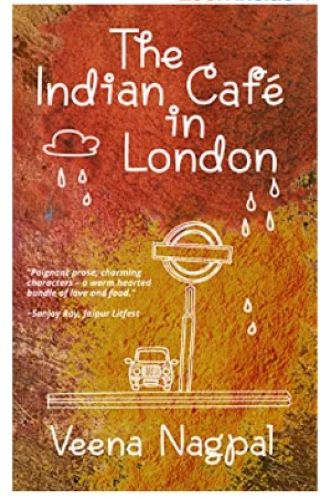
It is tough to classify The Indian Café in London into a single genre. Is it a cookbook, a travel narrative, a suspenseful story, or a layered relationship drama? The answer is—everything and more. A rich blend of love and loss, intergenerational relationships, identity, and the aspirations of young individuals navigating parental expectations, this novel stands out as an immersive and multi-dimensional read. As Veena Nagpal’s fifth novel, it is just as captivating and evocative as her earlier works.
A Multi-Genre Story Rooted in Emotion and Identity
At first glance, the book may feel like a memoir—but it is not. The presence of a war hero character (perhaps inspired by the author’s own background as a Defence kid) and the inclusion of age-old recipes and culinary anecdotes might blur the lines between fiction and reality. However, this is where the resemblance ends.
Memorable Characters and Engaging Storytelling
One of the book’s strongest aspects is its deeply etched characters. Each one feels real, relatable, and emotionally compelling. From the bold yet commitment-phobic Jamila, to the ambitious young chef Akhil striving to make his mark in the culinary world, to his father, the dignified war hero Maj Gen Robert Khanna—every character is layered with nuance and depth.
The author reveals her characters gradually, using food and recipes as narrative devices to explore their memories, dreams, aspirations, and struggles. This unique storytelling approach keeps the reader invested, turning pages eagerly to uncover more. The emotional build-up is so immersive that when you finally reach the last chapter, it feels almost abrupt—not because it lacks closure, but because you simply don’t want the story to end. That, truly, is the mark of a compelling writer.
Food, Culture, and Culinary Insights
Given its central themes of food and love, the book takes readers through vibrant bazaars and cultural landscapes. This adds a rich sensory layer to the narrative. However, what truly stands out are the Culinary Musings, Trivia, and Recipes included at the end of each chapter. These additions enhance the storytelling. And, also provide valuable insights into culinary traditions. All of this makes the reading experience both enjoyable and enriching.
They serve as delightful takeaways—something readers can cherish, learn from, and even recreate in their own kitchens.
Altogether, The Indian Café in London is an engaging, genre-defying novel that blends storytelling with culture, food, and emotion. It is an enjoyable and fulfilling read for anyone who appreciates fiction that goes beyond the ordinary.
