

The Power of Symbolism: How Small Gestures Create Massive Brand Value
- L&M SPECIAL
 Life&More
- 0
- 4 minutes read


Rajkumari Sharma Tankha
Billions are spent on advertising campaigns, influencer collaborations, and digital promotions these days. Still, the most powerful marketing tool that has emerged today is not some hi-tech commercial, but a simple symbolic gesture.
A Simple Gesture That Became a Global Branding Moment
Prime Minister Narendra Modi recently drew attention after gifting a packet of Melody toffees to Italian Prime Minister Giorgia Meloni during an international interaction. Many, including LoP Rahul Gandhi, commented it was a trivial gift — a small packet of candy. But in reality, it reflects something much deeper: The extraordinary power of cultural branding and soft diplomacy.
Why? Well, some time ago, the Italian PM had playfully coined the term “Melody”. She combined “Meloni” and “Modi” in a social media post. The post quickly went viral. And, Modi transformed a social media joke into a global branding moment. He carried a packet of Melody toffees for her.
The result was immediate
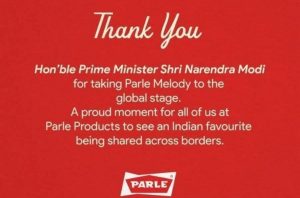
Suddenly, Parle and its iconic Melody candy were trending across social media platforms. Conversations exploded online. Memes circulated globally. Quick-commerce platforms reportedly witnessed massive demand spikes, with stocks running out in several places. What multinational corporations often attempt through expensive campaigns was achieved organically through a single visual moment.
The New Language of Political and Cultural Influence
This is not accidental politics. It is strategic cultural communication.
Modern leadership is no longer confined to policy speeches and diplomatic meetings. Today, influence is shaped equally through optics, storytelling, relatability, and emotional connection. A small object — when backed by timing, symbolism, and cultural relevance — can become a global talking point.
Prime Minister Modi has repeatedly demonstrated an understanding of this phenomenon.
Whether it was promoting Lakshadweep as a tourism destination, highlighting local street foods like Jhalmuri, supporting Khadi products, or publicly endorsing India’s indigenous COVID vaccines, the pattern is consistent: elevate local identity onto the global stage.
The Lakshadweep example is particularly telling. Once largely overlooked in mainstream tourism conversations, the islands witnessed a dramatic surge in visibility after Modi’s visit and social media promotion. Tourist interest skyrocketed. The global conversation shifted. What advertising agencies strive to engineer through carefully designed campaigns was achieved through direct symbolic endorsement.
This is the new language of influence.
Nations like Japan and China have long understood the importance of cultural-economic branding. Japan transformed sushi, anime, matcha, and minimalism into global cultural exports. China strategically amplified its manufacturing identity and digital ecosystem worldwide. These countries recognised early that products are not merely commercial items — they are instruments of national identity.
Why Authenticity Works Better Than Expensive Advertising
India is now increasingly entering that space.
The success of such moments lies in authenticity. People no longer respond only to polished advertisements. They respond to stories, symbols, emotions, and relatability. A humble Indian toffee gifted on a global diplomatic stage carries more emotional recall than a traditional advertisement because it feels human, memorable, and culturally rooted.
Critics may dismiss these gestures as optics. But optics matter. Perception drives conversations, conversations drive curiosity, and curiosity drives markets.
Branding today is no longer limited to corporations. Nations themselves are brands. Tourism, food, handicrafts, local products, wellness traditions, and even humor have become tools of geopolitical soft power.
India’s greatest strength has always been its cultural depth — its everyday simplicity, diversity, and emotional familiarity. When that authenticity is projected globally, even the smallest local product can suddenly acquire international attention.
The lesson for businesses, entrepreneurs, and policymakers is clear: effective marketing is not always about spending more money. Sometimes, it is about creating moments people emotionally connect with.
Because in the digital age, one authentic gesture can achieve what massive advertising budgets often cannot.
