How Raja Nahar Singh Metro Station Got Its Name
- L&M SPECIAL
 Life&More
- 0
- 11 minutes read

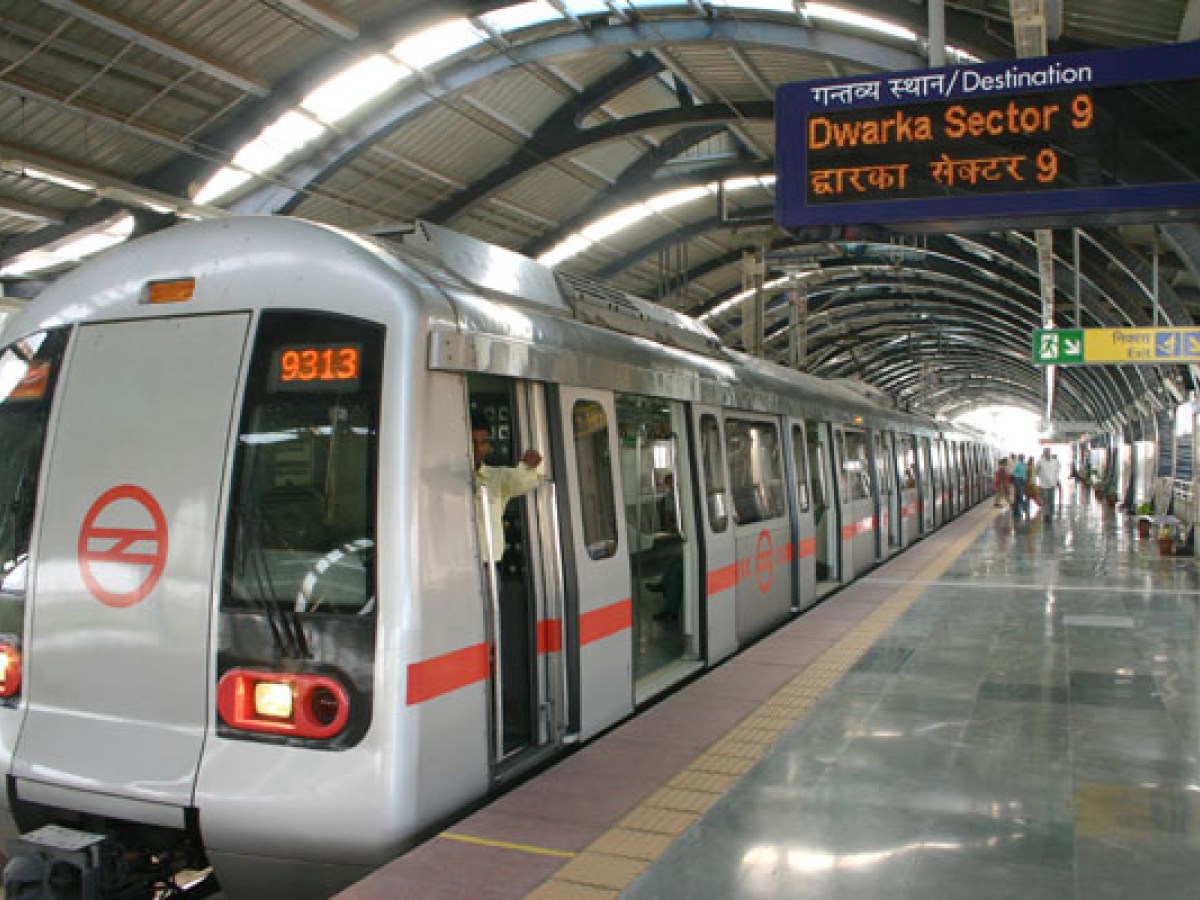
Many commuters who ride the Violet Line to its last stop at Raja Nahar Singh Metro Station never learn whose name it carries.
Formerly known as Ballabhgarh Metro Station, Raja Nahar Singh Metro Station is the terminating station on the Violet Line of the Delhi Metro. The station is named after martyr Raja Nahar Singh.
Raja Nahar Singh Metro Station, the terminus of Delhi Metro’s Violet Line in Ballabhgarh, was earlier called Ballabhgarh Metro Station. The Haryana government renamed it in September 2018 to honour Raja Nahar Singh, the Jat ruler of Ballabhgarh who was hanged by the British in Chandni Chowk on 9 January 1858 for his role in the 1857 uprising.

How Ballabhgarh Metro Station Became Raja Nahar Singh Metro Station
Before the renaming, the stop was listed as Ballabhgarh Metro Station, after the town it serves. Local residents had asked for it to be named after Raja Nahar Singh, and the Haryana government’s list of renamed metro stations, issued in September 2018, made the new name official. The station opened to the public on 19 November 2018 as the new end point of the Violet Line. From here, trains run to Kashmere Gate on a line of 34 stations and about 46 km.
Who Was Raja Nahar Singh of Ballabhgarh?
A Jat king of the princely state of Ballabhgarh in Faridabad district of Haryana, the forefathers Raja Nahar Singh (1823-1858) were Jats from Tewatia gotra who had built a fort in Faridabad around 1739. He was involved in the First War of Indian Independence in 1857. The small kingdom of Ballabhgarh is around 20 miles from Delhi. The palace is now with the government of Haryana under Haryana Tourism.
Balram Singh Tewatia, the brother-in-law of Maharaja Suraj Mal Sinsinwar of Bharatpur state, was the first ruler of Ballabhgarh State. Nahar Singh, his descendant, was born to Raja Ram Singh and Rani Basant Kaur at Ballabhgarh on April 6, 1821. When he was about nine, his father died. He was brought up by his uncle Nawal Singh who took over the responsibility of running the state affairs. Nahar Singh was crowned in 1839.

He was an able and secular ruler who promoted communal harmony. Nahar Singh gifted four villages to his Muslim court musician Umra Khan of Delhi gharana, a gift that included “the village of melody”, Samaypur which is, at present, a locality of Ballabhgarh town.
What Role Did Raja Nahar Singh Play in the Revolt of 1857?
The station is named after him because of his part in the Revolt of 1857, also called the First War of Indian Independence.
In 1857, under the “Delhi Agency”, there were seven princely states — Jhajjar, Farrukhnagar, Ballabhgarh, Loharu, Pataudi and Dujana. The chiefs of the last two estates remained loyal to the British but others did not. The Rajput rulers of Rajasthan chose to stay out. The British forces met with tough resistance when Nahar Singh halted the British on the doorstep of the Capital. Nahar refused to extend any help to District Collector William Ford who was collecting forces to curb this movement. Nahar actively recruited sepoys of the native infantry or cavalry, who revolted against the British, in services of his Ballabhgarh forces with enhanced pay and promotional ranks.
To fortify his armed strength, the Raja not only raised new levies but collected as much as possible latest weaponry and other war material as was revealed from the recovery of large number of horses, bullocks, carts, English rifles and dresses from his fort after the British assaulted it.

He revolted against the British rule, and joined the forces led by Emperor Bahadur Shah. In a letters to Bahadur Shah Zafar dated May 22 and May 25, 1857, Raja Nahar Singh wrote that he had secured the road from Delhi Gate (Delhi) to Bhadrapur (Bharatpur) as well as drove the British away from the parganas of Pali (Rajasthan), Palwal and Fatehpur. Nahar Singh supported the revolutionary government and faithfully obeyed the instructions issued to him in connection with the maintenance of peace and order, recruitment of forces and collection of funds for the War.
How Did Raja Nahar Singh Die?
Nahar Singh was 32 when he threw his small army into the fray against the British in 1857. Refusing an offer to save himself by acknowledging British supremacy, he was hung in Chandni Chowk in January 1858 and his estate was forfeited. He was charged by the colonial rulers for assisting rebellion with money, provisions and arms and by sending troops to Palwal, for taking it from the British Government in India.
Raja Nahar Singh Metro Station: Frequently Asked Questions
Q1. Why is it called Raja Nahar Singh Metro Station?
It is named after Raja Nahar Singh, the Jat ruler of Ballabhgarh who joined the 1857 uprising and was hanged by the British in 1858. The Haryana government renamed the stop from Ballabhgarh Metro Station in September 2018.
Q2. What was Raja Nahar Singh Metro Station called before?
It was called Ballabhgarh Metro Station before the Haryana government changed the name in 2018.
Q3. Which Delhi Metro line serves Raja Nahar Singh Metro Station?
The Violet Line. It is the line’s southern terminus, and trains run from here to Kashmere Gate. The station opened on 19 November 2018.
Q4. When was Raja Nahar Singh executed?
He was hanged at Chandni Chowk in Delhi on 9 January 1858 for his part in the 1857 uprising.
Read more heritage stories on Life & More.