

Kala Prabhandha: Dr Usha RK Introduces a Professional Arts Management Course at Nalanda Nritya Kala Mahavidyalay
- SANDIP SOPARRKAR
 Life&More
- 0
- 8 minutes read


A respected name in India’s performing arts fraternity, who has over four decades of experience in the promotion, preservation and propagation of Indian classical dance and music is Dr Usha Rk. An accomplished arts consultant, researcher, curator and former cultural administrator, she has dedicated her professional journey to creating meaningful artistic platforms that bring together India’s rich cultural traditions.
Having served as Member Secretary in the Ministry of Culture and Director of the Cultural Centre at the Embassy of India in Moscow, she has played a significant role in taking Indian arts to national and international audiences. Through her thoughtfully researched and conceptualised productions, she continues to explore the philosophical, spiritual and cultural dimensions of India’s artistic heritage.
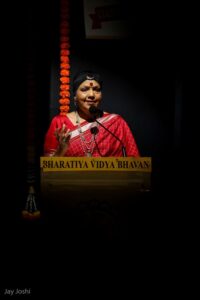
Her entire life experiences have taken a new shape in a form of a pioneering Certificate Course in Arts Management at Nalanda Nritya Kala Mahavidyalay, Mumbai. Excerpts from the interview:
What inspired you to conceptualise this unique programme ‘Kala Prabhandha’?
The inspiration came from a very important observation. India has an extraordinary wealth of artistic talent, with gifted dancers, musicians, theatre practitioners, choreographers and performers. We have a rich cultural heritage and an incredibly vibrant performing arts ecosystem. However, there is often a considerable gap between artistic excellence and the ability to manage an artistic career professionally.
An artist may be exceptionally talented, but talent alone does not necessarily equip them to organise a production, raise funds, negotiate with institutions, build an audience, market their work or understand the financial and legal aspects of their profession.
I felt there was a need to address this gap through a structured educational programme. That is how Kala Prabhandha was conceptualised. It is an attempt to bring professional arts management into the mainstream of arts education.
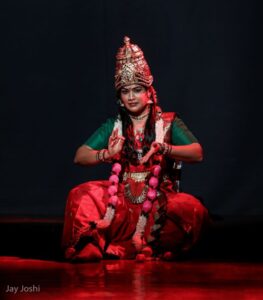
What does the name ‘Kala Prabhandha’ signify?
The name brings together two important ideas. ‘Kala’ represents art, creativity and artistic expression, while ‘Prabhandha’ signifies management, organisation and administration. Together, they represent the understanding that art needs both creativity and a well-organised professional ecosystem to flourish.
We often celebrate the artist on stage, but rarely discuss the enormous amount of planning, administration, financial management, networking and institutional coordination that goes into making a performance possible. Kala Prabhandha aims to bring attention to this equally important dimension of the arts.
Why do you believe arts management is particularly relevant in India today?
India’s cultural sector is evolving rapidly. There are independent productions, international collaborations, cultural festivals, government-supported initiatives, private foundations, corporate sponsorships and digital platforms creating new opportunities for artists.
However, many artists are still navigating these opportunities without formal training in management. Arts management is not simply about arranging events. It involves understanding the larger cultural landscape, identifying opportunities, developing sustainable projects, building relationships with institutions and creating financial models that allow artistic initiatives to survive and grow.
If India wants its performing arts to become stronger, more visible and internationally competitive, we must invest not only in artistic training but also in professional management education.
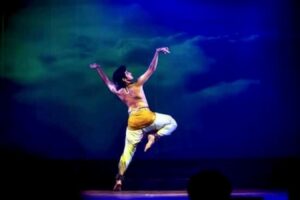
What makes Kala Prabhandha different from conventional arts courses?
Its greatest distinction is that it addresses the professional life of an artist beyond the classroom and the stage. This is a three-month certificate intensive programme. The course covers several essential areas, including arts management, performance organisation, audience development, fundraising, marketing and branding, institutional collaboration, legal and financial aspects of the arts, and arts entrepreneurship.
Importantly, participants will also undertake a practical final project. The intention is to ensure that students do not merely understand theoretical concepts but learn how to apply them in real professional situations.
Could you elaborate on some of the subjects that participants will explore?
One of the most important areas is performance organisation. An artist must understand everything involved in putting together a production, from conceptualisation and budgeting to logistics, technical requirements and execution.
Audience development is another crucial subject. Artists need to understand who their audiences are, how to reach them and how to build lasting relationships with them.
Fundraising and sponsorship are equally important. We will explore how artists can approach potential supporters, develop proposals and communicate the value of their artistic projects.
Marketing and branding will help participants understand how to position themselves professionally. In today’s world, an artist is also a brand, and knowing how to communicate one’s identity and work is essential.
We will also introduce participants to institutional collaboration, contracts, financial planning, legal considerations and entrepreneurial opportunities within the cultural sector.
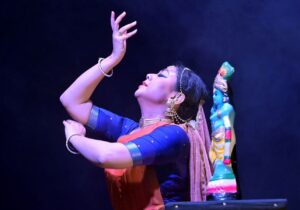
Who should consider enrolling in this programme?
Those who already have a foundation in the arts and wish to develop professionally can do this course. It is particularly relevant for undergraduate and postgraduate arts students, emerging performers, art educators, choreographers and independent artists.
We have specified a minimum of six years of training in any art form from reputed institutions or gurus as an eligibility requirement.
I believe this is important because the course is not intended to teach someone an art form. It is intended to help people who have already invested years in developing their artistic practice understand how to build a sustainable professional career around it.
You have experience across Arts, Media and Governance. How has this shaped your approach to the course?
My experience across these interconnected areas has helped me understand that the arts cannot function in isolation. Artists need to understand media, because visibility and communication influence how their work reaches society. They need to understand governance because cultural policies, institutions and public funding play an important role in shaping the artistic landscape.
They also need to understand how decisions are made, how institutions operate and how cultural initiatives can be developed through meaningful partnerships.
I want participants to develop a broader perspective and recognise that they are not merely performers but potential cultural leaders, entrepreneurs, educators and administrators.
What role does Nalanda Nritya Kala Mahavidyalay play in this initiative?
Nalanda Nritya Kala Mahavidyalay has a distinguished place in India’s performing arts education landscape. It is an institution that understands the importance of preserving artistic traditions while encouraging new approaches to learning.
Introducing Kala Prabhandha at Nalanda is significant because it brings together the traditional strength of artistic education and the contemporary need for professional management skills.
Kala Prabhandha is a beginning in that direction. I hope it inspires other institutions to recognise arts management as an essential part of performing arts education. After all, art deserves not only talented creators but also informed, capable and visionary people who can take it forward.
Sandip Soparrkar holds a doctorate in world mythology folklore from Pacific University USA, an honorary doctorate in performing arts from the National American University, He is a World Book Record holder, a well-known Ballroom dancer and a Bollywood choreographer who has been honored with three National Excellence awards, one National Achievement Award and Dada Saheb Phalke award by the Government of India. He can be contacted on sandipsoparrkar06@gmail.com
