

Indian classical music has huge acceptability abroad: Ghosh
- INTERVIEW PERFORMING ARTS
 Life&More
- 0
- 10 minutes read

Saurabh Tankha
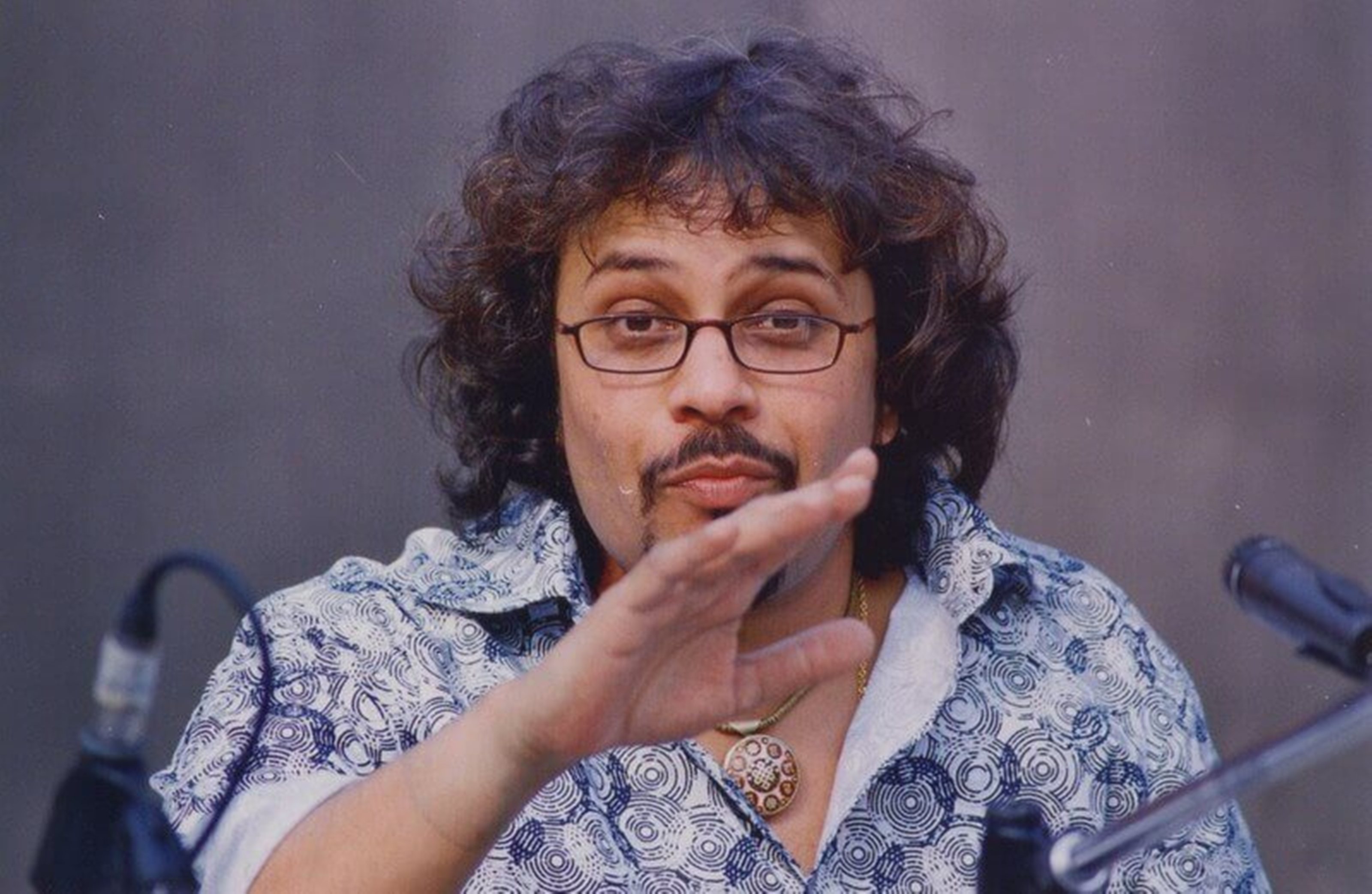
Born to the great tabla maestro late Pt Shankar Ghosh and renowned classical vocalist Sanjukta Ghosh, the early years of percussion guru Bickram Ghosh were spent in the Bay Area in USA. He later moved to Kolkata where he studied at La Martiniere for Boys, St Xavier’s College and did his Masters in English from Jadavpur University. Married to actress-danseuse Jaya Seal Ghosh, the maestro has just returned from his back-to-back tour of various European cities.
On his musical journey, he has just worked on a new album with ace violinist Kala Ramnath and is presently scoring music for Torbaaz starring Sanjay Dutt and Nargis Fakhri, a film directed by Girish Malik. Incidentally, in 2015, along with Sonu Nigam, Ghosh an Oscar contention for best original score for Malik’s film, Jal. Also, he is giving music for another of Malik’s movie, Band of Maharajas, and acting as well, as Afghan percussionist Feroze Jamshed.
In an email interaction, the renowned musician tells us his take on new-age experimental music, his new album and more… Excerpts:
How do you rate the standard of music in the film industry as of now?
It’s sporadically good. Most of the time, it’s churning out eyeball grabbing promotional material and hence, the soul is lost. The background scores too are generic.
When you open a Bickram Ghosh Fusion Studio in a foreign land (the most recent one being in Amsterdam), what is its aim?
Collaboration and cross-pollination of cultures is huge today. People want to expand their horizons. Fusion music allows this space to thrive. My fusion studio is a collaboration workshop out of which a track is created. This track is recorded and then performed. We did this in Amsterdam with great success. The finale concert at the prestigious concert Gebow was sold out! Through this endeavour Indian music also expands its horizons.
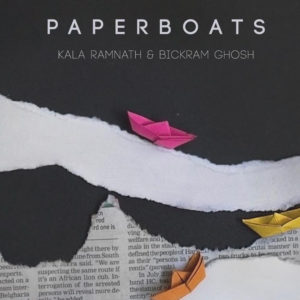
Tell us about the new album you are working on with Kala Ramnath…
What is it like when you perform with greats like Pt Ravi Shankar, Ustad Amjad Ali Khan and Pt Shiv Kumar Sharma? How much do you get to learn from them, professionally and personally?
Performing regularly with great artistes is a learning experience. Your own repertoire expands, especially with Pt Ravi Shankar with whom I played with for over a decade. It was a life-changing experience. I learnt a huge amount of musical craft, aesthetics and presentation from him. Professionally, it is fantastic as you are catapulted into the top league right away.
Where is new-age experimental music headed?
My personal graph with this firm has been great over the last two decades. My albums like Rhythmscape, Electro-Classical, White Note, Transformation, Beyond Rhythmscape are still bestsellers. I continue to create more recordings (the latest being the collaboration with Kala Ramnath). My band, Rhythmscape, continues to tour globally. I see an even better future for crossover music as that’s where the works are headed. Cross-pollination of cultures as I said earlier.
How about your association with Sonu Nigam?
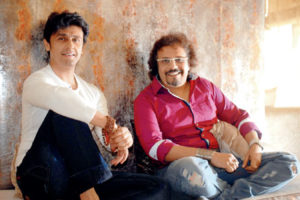
We have created a body of work together. The Oscar contending score for Jal and the GIMA-winning album, The Music Room are top among them. We are working on two other albums currently. As friends, we are very close. A deep bond. He’s one of the most warm-hearted human beings I know.
When you are born to illustrious parents, how much pressure do you feel to match their legacy? Did you always want to become a musician, or did you consider other career options?
It’s not easy and my early years were a big struggle to create my own niche out of my father’s, Pt Shankar Ghosh, the illustrious tabla maestro, shadow. With God’s grace, I eventually earned recognition through my own efforts. Although I had other career options, I chose to become a musician.
Awards are a source of encouragement. Like all others, I enjoy winning a reputed award.
If you were to rate the music lovers of cities in terms of understanding music during a show, which will be the top three cities in the world and why?
Kolkata, Chennai and Pune for classical music. In these cities, regular households encourage music at home. New York, London and Paris for experimental forms. The minds of the listeners in these cities are expanded to embrace new forms. These cities are cultural melting pots.
How about the acceptability of Indian music abroad?
Indian classical music through the efforts of maestros like Pt Ravi Shankarji, Ali Akbarji, Zakir Husainji and all the greats has a huge acceptability abroad.
Who has been the most inspirational person in your life and why/ how?
My father and guru Pt Shankar Ghosh who honed my tabla skills and gave me incredibly insightful knowledge into the intricacies of rhythm. I also learnt Carnatic rhythms from Pt S Sekhar, the great mridangam player.
A day in the life of Bickram Ghosh…
Meditation, morning walk, hitting the studio after breakfast. If there’s a concert in the evening then out, otherwise I’m a home bird. I also read a fair bit.
What is Bickram Ghosh doing when he is not making music?
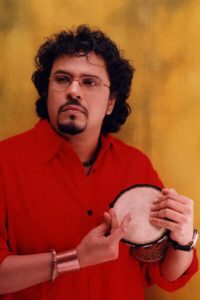
Hanging at home or with friends, reading books, watching movies.
