

Medical Waste Crisis in Delhi-NCR Raises Alarming Health and Environmental Concerns

Team L&M
It is high time that the government installs centralised plants for treatment of bio-medical waste. It is not only important for maintaining public safety and health but also for the preservation of environment.
Rising Biomedical Waste Crisis in Delhi-NCR
The situation is alarming, particularly in Delhi-NCR region. And, it is thanks to mushrooming hospitals and clinics. This means a lot of medical waste is being disposed off without proper treatment. Many o these are depositing the medical waste at the solid waste dumping sites.
These are the findings of the new study done by the ASSOCHAM.
The study says Delhi-NCR region generates over 5,900 tonnes of medical waste every year. And, the sad part is most of this waste remains untreated. It is dumped with municipal waste, which causes serious health and environment hazards.
- Delhi generates around 2,200 tonnes of bio-medical waste.
- Noida & Greater Noida generate 1,200 tonnes.
- Gurgaon produces 1,100 tonnes.
- Ghaziabad generates around 800 tonnes.
- Faridabad generates 600 tonnes of bio-medical waste.
- Health Risks of Improper Waste Disposal
“Lack of proper disposal of hospital trash can pose serious risks to people’s health and environment. The waste disposal should follow policy guidelines framed by state government,” says ASSOCHAM secretary general D S Rawat.
Segregation and collection facilities for medical and clinical wastes needs improvement in other cities. These include Meeurt, Loni, Bulandshahar, Ludhiana and Jallandhar.
About 65 per cent of the hospital waste is non-hazardous. But, mixing hazardous trash with general waste at garbage dumps leads to contamination. This leads to a risk of infections and diseases to anyone coming in contact like waste pickers.
Need for Urgent Policy and Infrastructure Action
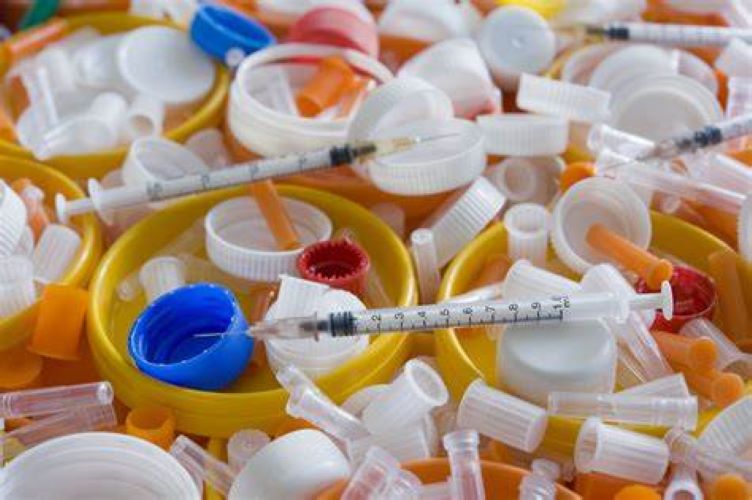
The waste at garbage sites has syringes, bandages with blood on them – a source of infections. Proper segregation of the waste, be it at a healthcare facility or at homes, is important. This will ensure that waste pickers do not face risks, adds the paper.
Diseases caused by coming in contact with untreated medical waste include AIDS, hepatitis B & C, gastroenteric infections, respiratory infections, blood stream infections, skin infections, effects of radioactive substances and intoxication
