

Rajasthan to Set Up Great Indian Bustard Conservation and Breeding Centre in Kota
- ECO-RESTORATION NATURE
 Life&More
- 0
- 7 minutes read

Team L&M
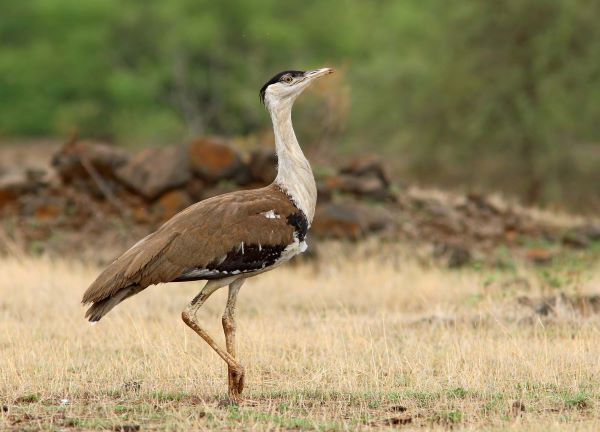
In a major step towards protecting one of India’s most endangered bird species, a Conservation and Breeding Centre for the Great Indian Bustard will soon be established in Kota, Rajasthan.
The Ministry of Environment, Forest and Climate Change (MoEFCC) identified the site in consultation with the State Forest Departments of Rajasthan and Gujarat, the Wildlife Institute of India (WII) and international conservation experts.
The initiative aims to strengthen efforts to revive the population of the Great Indian Bustard, a critically endangered species facing the threat of extinction.
Existing Breeding Facility in Jaisalmer
A satellite conservation breeding facility is already operational at Sam in Jaisalmer, Rajasthan.
The centre includes advanced infrastructure such as:
- Incubators
- Hatchers
- Chick-rearing units
- Housing facilities for captive birds
Scientists from the Wildlife Institute of India and the Rajasthan Forest Department manage the facility with technical assistance from the International Fund for Houbara Conservation and Reneco, Abu Dhabi.
At present, the facility is rearing 16 chicks artificially hatched from eggs collected from the wild, marking a significant milestone in India’s conservation breeding efforts.
Highest Legal Protection for Great Indian Bustard
The Great Indian Bustard is listed under Schedule I of the Wild Life (Protection) Act, 1972. The Act grants it the highest level of legal protection against hunting and habitat destruction.
Despite this protection, the species continues to face severe threats due to habitat loss, infrastructure development and collisions with overhead power transmission lines.
Government’s Integrated Conservation Programme
The Ministry of Environment, Forest and Climate Change launched a dedicated programme to build a captive population of the Great Indian Bustard.
The project aims to:
- Increase breeding success
- Release chicks into the wild
- Strengthen natural populations
- Promote in-situ conservation of the species
To support this initiative, the National Authority for Compensatory Afforestation Fund Management and Planning Authority (CAMPA) sanctioned Rs 33.85 crore for a five-year programme titled:
Habitat Improvement and Conservation Breeding of Great Indian Bustard – An Integrated Approach
Measures to Reduce Threats
Minister of State for Environment Ashwini Kumar Choubey said the ministry has constituted a task force to recommend eco-friendly solutions to reduce the impact of power transmission lines and other related infrastructure on wildlife, including the Great Indian Bustard.
These measures play a critical role, as power line collisions remain one of the biggest threats to the bird’s survival.
Only Around 150 Birds Left
According to studies conducted by the Wildlife Institute of India, only about 150 Great Indian Bustards remain in the country.
Of these:
- Rajasthan is home to around 128 birds.
- Fewer than 10 birds each survive in Gujarat, Maharashtra, Andhra Pradesh and Karnataka
This alarming decline has made urgent conservation intervention essential.
Hope for Revival
The centre in Kota represents a crucial step in India’s efforts to save the Great Indian Bustard from extinction. The initiative offers renewed hope for the revival of one of India’s most iconic grassland birds.
