

Reclaiming Indian Aesthetics: How to Bring Tradition into Modern Homes
- HOME DECOR
 Life&More
- 0
- 4 minutes read

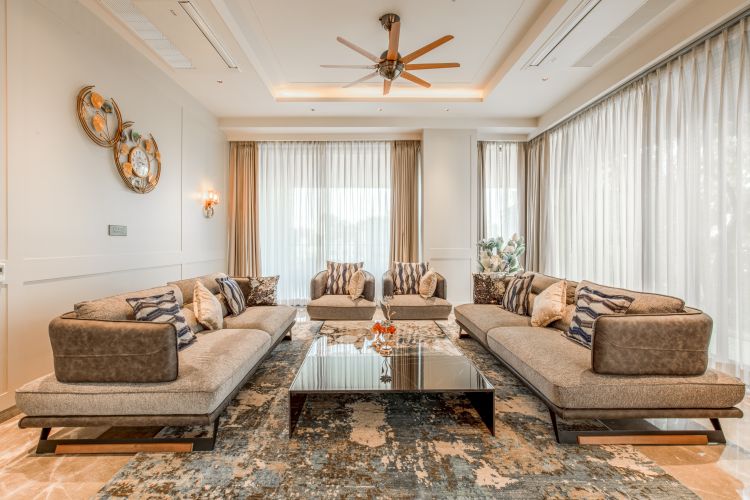
Jasleen Chalotra
Indian homes are narratives woven in tradition, colour, and a sense of belonging. It has the ability to blend the sacred with the mundane, creating harmony in everyday living. Today, modern homes rise above the conventional to bring in a sense of locale and culture to homes.
The term “Indian aesthetics” is, in itself, an intricate tapestry. It is woven from millennia of diverse regional cultures, artistic expressions, and architectural traditions. It is not a singular, monolithic style. But, a confluence of principles that emphasise harmony with nature, spiritual resonance. It has a deep appreciation for craftsmanship. Lets talk about Indian aesthetics in modern homes.
Following Order and Harmony in Design
The essence of the Indian context begins with the incorporation of Vaastu Shastra- an ancient science of architecture and spatial arrangement aimed at creating environments by aligning structures with cosmic energies. It speaks to the importance of orientation, flow of energy, and placement of functions. Understanding its underlying principles of balance and spatial organisation can inform contemporary layouts, promoting wellbeing and positive energy. Mandala principles, evident in intricate patterns and sacred geometries, represent cosmic order and can be subtly integrated into floor plans.

Craftsmanship and Orientation
India is home to various arts and crafts, and it is the best way to introduce Indianess into homes. From exquisite carvings in stone and wood to delicate textile work, elaborate frescos, and vibrant floor art, ornamentation has been deeply symbolic, depicting deities or embodying philosophical concepts.
Today’s minimalist aesthetic reinterprets this through the thoughtful use of handcrafted elements that reflect heritage and a human touch. For instance, homeowners can incorporate Indian paintings into a living room to add artistic character and warmth to the space.
Embracing Materiality and Texture
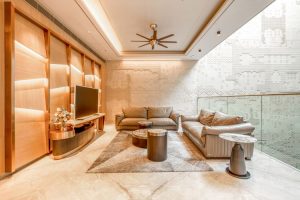
Indian architecture traditionally relied on locally available materials- stone, timber, brick, lime plaster, and mud. These materials blend with the environment and age gracefully. Reclaiming this means leaning towards a palette of natural, breathable materials. Exposed brick, natural stone flooring, lime-washed walls, reclaimed timber, and sustainable bamboo can provide warmth, authenticity, and a tactile richness often missing in modern homes.
Further, contras polished floors with rough-hewn stone walls, intricate carvings with plain plaster, or soft textiles with hard furniture.
Bringing In Traditional Motifs and Textiles
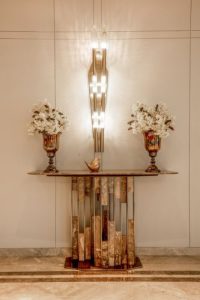
Designers can integrate Indian motifs, from floral patterns and geometric designs to mythological figures, into various elements. This could be through carved door panels, jaali screens, floor inlays, stenciled patterns on walls, or even contemporary interpretations in metalwork or fabric prints.
The aim is to evoke tradition without making the space feel like a museum. Incorporating handloom fabrics for upholstery, curtains, throws, and cushions can instantly add warmth, texture, and a distinct Indian character.
In essence, reclaiming Indian aesthetics in today’s homes is a forward-looking vision for creating spaces that are deeply meaningful and environmentally responsible. This endeavour is a celebration of our heritage to connect us to our roots and ourselves.
Jasleen Chalotra is Founder of Design Essence
