

Silent Rupture in Breast Implants: What Every Woman Should Know About Breast Augmentation Safety
- FASHION & BEAUTY
 Life&More
- 0
- 8 minutes read

Dr Devayani Barve
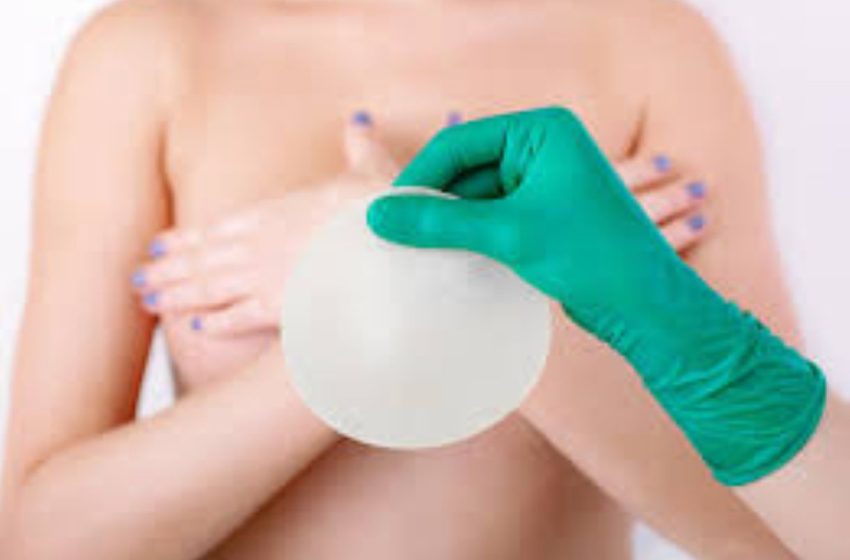
Breast augmentation remains one of the most commonly performed cosmetic surgery procedures worldwide. Thanks to advancements in medical technology, modern silicone breast implants are safer, more durable, and designed to last longer than ever before. However, one crucial aspect of breast implant safety that often gets overlooked is that implants are not lifetime devices.
Like any medical implant, breast implants are subject to natural wear and tear over time. In some cases, this can lead to what is known as a silent rupture, a condition every woman considering or living with breast implants should understand.
What Is a Silent Rupture?
A silent rupture is most commonly associated with silicone breast implants. Unlike saline implants, which visibly deflate when ruptured, silicone implants often maintain their shape even when the outer shell develops a tear.
This happens because modern silicone gel is cohesive, meaning it tends to remain contained within the fibrous capsule that naturally forms around the implant. As a result, many women notice no immediate change in breast size, shape, or texture, allowing the rupture to remain undetected for months or even years.
Why Silent Rupture Is Back in the Spotlight
The topic recently gained attention after beauty entrepreneur Huda Kattan shared her personal experience of discovering a ruptured implant despite having no obvious symptoms.
While such stories can sound alarming, they also highlight an important message: regular breast implant check-ups are essential, even when everything appears perfectly normal.
Do Breast Implants Last Forever?
One of the most common misconceptions about breast augmentation is that implants last forever.
In reality, most breast implants have an average lifespan of 10 to 15 years, although many remain intact longer. However, the risk of rupture or other complications tends to increase over time, particularly after the 8–10 year mark.
This is why long-term monitoring is not optional—it is a critical part of post-breast augmentation care.
Why Routine Breast Implant Monitoring Matters
In clinical practice, I consistently emphasise the importance of regular follow-ups for all patients with implants.
Even without symptoms, a physical examination combined with imaging—such as a high-resolution breast ultrasound every two to three years—can help detect early changes. In certain cases, an MRI for breast implant evaluation may be recommended for a more detailed assessment.
These screenings are particularly important because silent implant ruptures are rarely detected through physical examination alone.
Signs of Breast Implant Rupture You Should Not Ignore
Although many silent ruptures remain completely asymptomatic, some subtle warning signs may appear, including:
- Changes in breast contour
- New-onset firmness
- Mild breast discomfort
- Breast asymmetry
- Tightness or unusual texture changes
These symptoms often develop gradually and are easy to dismiss, but they should always prompt medical evaluation.
Is Silicone Breast Implant Rupture Dangerous?
From a medical standpoint, it is reassuring to know that silicone breast implant rupture is generally not associated with systemic illness.
In most cases, the silicone remains confined within the surrounding capsule. However, if silicone escapes beyond this layer, it can lead to local complications such as inflammation, scar tissue formation, or silicone deposits in nearby tissue.
This is why early diagnosis and timely management are essential.
Treatment for Silent Rupture
Treatment usually involves surgical removal of the ruptured implant, often along with the surrounding capsule.
Depending on the patient’s preference, the implant may be replaced during the same procedure. The treatment plan is always individualised, taking into account:
- Implant age
- Presence of symptoms
- Imaging findings
- Cosmetic goals
- Overall patient preference
The Bottom Line
A silent rupture in breast implants is a known possibility, but it is not something to fear—it is something to monitor.
With regular follow-up appointments, appropriate imaging, and open communication with your cosmetic surgeon, breast implants remain a safe and effective option for breast enhancement.
When it comes to long-term breast augmentation safety, awareness is your greatest ally.
Dr Devayani Barve is a Cosmetic & Plastic Surgeon.
