

Amar Kaushik: The Storyteller Behind Stree, Bala and a New Wave of Indian Cinema
- ENTERTAINMENT INTERVIEW
 Life&More
- 0
- 9 minutes read

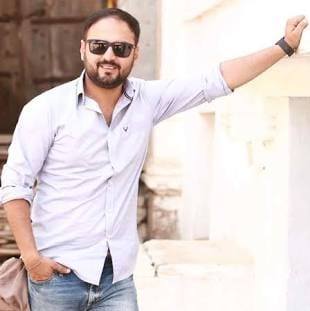
Amar Kaushik is not just a filmmaker—he is a storyteller who believes every film should leave an impact. Whether it is his acclaimed short film Aaba or feature films like Stree and Bala, Kaushik’s work consistently blends entertainment with meaning.
Born to a forest ranger father and an educationist mother, Amar grew up surrounded by stories. He often credits his mother’s storytelling as a major influence in shaping his imagination. This personal connection to narrative found expression in Aaba, a short film based on one of her stories, which went on to win national and international recognition.
Inspired by filmmakers like Bimal Roy, Hrishikesh Mukherjee, Rajkumar Hirani, and Sriram Raghavan, Amar Kaushik has built his own voice in Indian cinema—rooted in simplicity, emotion, and social relevance.
In an email interview with SAURABH TANKHA, the filmmaker discusses his journey from Medo (Arunachal Pradesh) to Mumbai, the making of Stree, the pressure of sequels, his views on godfathers in the industry, and life during lockdown.
Walk us through your journey from Medo to Mumbai via Kanpur and Delhi.
I moved to Kanpur in Class 7 and stayed there until graduation. I was on my own, made friends, explored life, and also took up small jobs to support my education and save for my Mumbai dream. Later, I pursued my Master’s in Mass Communication in Delhi and then moved to Mumbai.
My first opportunity came with Miditech, where I worked on television projects. While working there, I also joined filmmaker Raj Kumar Gupta’s team for Aamir. After that, I worked as an assistant director with Onir, Raj & DK, and Raj Kumar Gupta. In 2016, I made my short film Aaba, which won several awards, including a National Award.

How did your parents react when you chose filmmaking as a career?
They were not very happy initially, as they had no exposure to the film industry and wanted me to pursue a more secure profession. But I was determined and had already planned my path, so eventually they accepted my decision.
How was the Stree experience? Did you expect such a response?
Stree was my first full-fledged commercial film in an unconventional genre. We had creative freedom to experiment. I kept my expectations realistic regarding box office performance, but the response was overwhelming. It was a huge morale booster for the entire team.
Does success increase pressure, especially for sequels like Stree?
Expectations naturally rise after a hit film like Stree. But it is important not to get overwhelmed by pressure and focus on doing your best. As for the sequel, it will only happen when we have the right script—we don’t want to disappoint audiences.

What made you choose Aaba as your first short film?
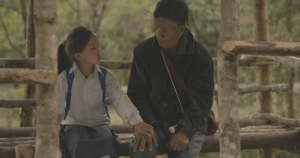
Aaba is based on a story my mother told me during our stay in Arunachal Pradesh. She was a teacher there, and the story is rooted in a real incident she experienced. It is about a man preparing for death while waiting for it.
On the surface, the idea feels unsettling, but at its core, it is deeply emotional. Its honesty and simplicity made it special for me, and that’s what resonated with audiences as well.
What did you learn from working on films like Aamir, No One Killed Jessica, and Ghanchakkar?
These films became my foundation in filmmaking. I learned a lot from Raj Kumar Gupta—both technical aspects and the importance of believing in the story. I also understood the value of teamwork and how every person, on and off camera, contributes to a film.

Aaba was based on one of the many stories your mother narrated to you when you were a kid. What was so different in this story that you chose it to be your first attempt at filmmaking?
Aaba is one of the stories my mom told us during the period we stayed in Arunachal Pradesh. My parents were posted in the state for a long period of time. My mother was a teacher in a government school and Aaba is based on an incident that happened with her. It is the story of a man waiting for his death and preparing for it.
Do godfathers exist in the film industry?
I believe talent, hard work, and sincerity are what truly get noticed. The industry, like any other, supports genuine effort and skill.
OTT vs cinema vs television—your preference?
Cinema has always been my first love. I’ve grown up watching films on the big screen. However, OTT is an exciting space because it allows storytelling beyond time constraints, and I would love to explore it further.

How did you spend your lockdown period?
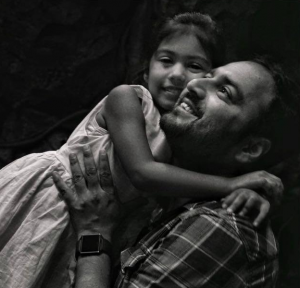
I spent time with my family, especially my wife and daughter. Alongside that, I worked on scripts, read extensively about filmmaking, history, and nature, and focused on fitness. The lockdown gave me time to pause, reflect, and improve myself.
Future plans?
I want to continue making honest films and collaborate with talented people. More importantly, I hope to keep creating stories that make people feel something meaningful.
