

Abhishek Banerjee on Paatal Lok, Stree and the Art of Casting Stories and Characters
- ENTERTAINMENT INTERVIEW
 Life&More
- 0
- 8 minutes read

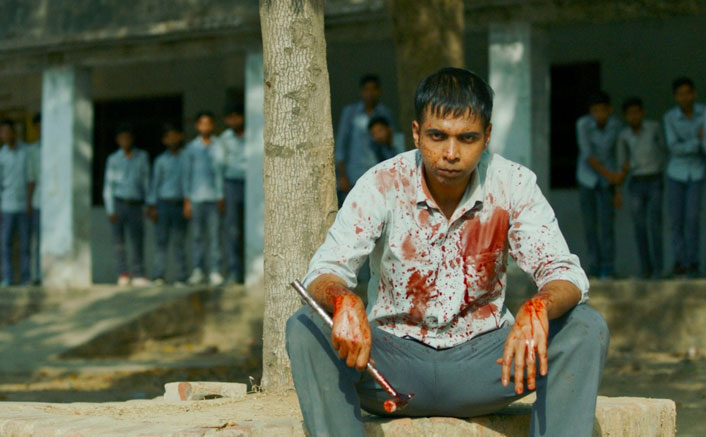
Saurabh Tankha
You may not have noticed him in small but memorable appearances—as a student auditioning in Rang De Basanti or as a pickpocket in No One Killed Jessica. But once he arrived, there was no missing him: the eccentric Jana in Stree, the chilling Hathoda Tyagi in Paatal Lok, and the ruthless drug lord in Kaali 2 cemented Abhishek Banerjee as one of the most striking talents in Indian web series and cinema.
Beyond acting, Banerjee is also a casting director and co-founder of Casting Bay with Anmol Ahuja, where he has helped shape some of the most acclaimed ensembles in modern Indian entertainment. His casting credits include No One Killed Jessica, The Dirty Picture, Rock On 2, Toilet: Ek Prem Katha, Secret Superstar, Kalank, and Paatal Lok.
Born in Kharagpur, Abhishek was an all-round sportsperson in school, excelling in shotput and discus throw, and also playing hockey and cricket. Interestingly, his Paatal Lok character Hathoda Tyagi also had a shotput background—an uncanny reflection of his own early life.
His tryst with acting began in Class XII, setting him on a path that would eventually make him one of the most distinctive performers in the OTT space today—an actor who aims to leave a lasting impression with every role.
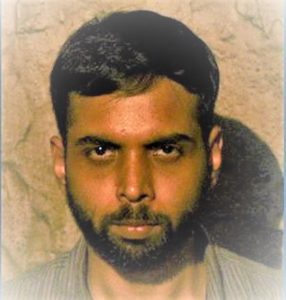
What made you choose Hathoda Tyagi in Paatal Lok, especially since he had no dialogues?
I didn’t really choose it at first. While reading the script, I almost missed the character because there were no dialogues. But Sudip Sharma and Karnesh Sharma asked me to audition for it. That’s when I realised how challenging it actually was. I took it as an opportunity and knew I would have to work extremely hard. I’ve always believed that you don’t just speak a character—you become it. I’m glad I could do that here.
Who is your favourite character in Paatal Lok and why?
Hathi Ram Chaudhary, played by Jaideep Ahlawat. His journey is incredible—from someone inside the system trying to uncover the truth about the system itself. For an actor, experiencing such a layered character is a gift. It’s the kind of role that helps you understand yourself better. That’s what I aspire for in my own journey as well.
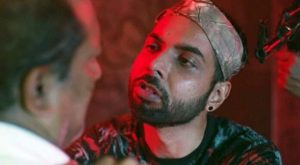
Tell us about Kaali 2.
Kaali 2 was special because it was my first Bengali project. I played Jinliang, a drug lord who comes to Kolkata seeking revenge. He is calm on the surface but extremely menacing underneath, with a strong ego. I really enjoyed playing him. More than anything, my parents were happy because they always wanted me to do something in Bangla.
Your experience at Kirori Mal College (KMC) dramatics society?
I joined KMC because I was a big fan of Amitabh Bachchan, who is an alumnus. That’s where I was first exposed to theatre in a structured way. It didn’t just teach me acting—it changed my thinking. I became more aware, more observant, and more curious about people. After college, I also taught theatre and worked with Safdar Hashmi’s group, which further shaped my understanding of performance.
How did your parents react when you decided to enter the film industry?
My father was very angry initially, while my mother was worried but supportive. It took a lot of convincing. Today, things have changed—my mother still worries, but my father is proud.
Was becoming a casting director planned?
Not at all. I moved to Mumbai to pursue acting, but financial constraints kept me in Delhi for a while. I started acting in TV projects, and later met casting director Gautam Kishanchandani, who encouraged me to assist him. That’s how casting happened. It was accidental, but it kept me close to acting and taught me a lot about performance.
What makes a good casting director?
You need to love stories and characters. You must understand a director’s vision while also having your own perspective on people and society. Casting is a selfless process—it’s about learning and collaboration.
Your take on bias in casting, including fairness concerns?
Talent matters the most. Skin colour or appearance should not define opportunities. There are biases in society, but as actors, you should focus on your craft and avoid environments that reinforce such thinking.

OTT vs films vs television—your preference?
It always depends on the story. OTT and films offer more depth and experimentation compared to television. OTT, in particular, allows creative freedom. But ultimately, the story is what matters most.
Future plans?
I want to train further as an actor, explore areas I haven’t yet worked on, and continue reading and listening to new scripts.
