Manish Poonam Interview: The Waacking Sensation
- SANDIP SOPARRKAR
 Life&More
- 0
- 10 minutes read


By Sandip Soparrkar
In the world of social media, Instagram is one new place where dancers are emerging from. They have been able to meet like-minded people and, of course, bring light to their art of dance. One such dancer is Manish Poonam, known for his waacking and his expressive style. I spoke with the Instagram star about his life journey and the struggles he faced to make it in the world of dance:
This Manish Poonam interview covers how he found waacking during the lockdown, why he started the PAUSE retreat, and what he says to people who label dance as male or female.
Manish Poonam is a waacking dancer, actor and model from Sri Ganganagar, Rajasthan, now based in Mumbai. In this interview he talks about discovering waacking on his rooftop during the lockdown, his PAUSE movement retreat in Dehradun, why dance has no gender and the criticism he has faced.
Manish Poonam interview: key facts
- From: Sri Ganganagar, Rajasthan; now based in Mumbai
- Known for: waacking, a street dance style, and his Instagram videos
- Acting: appears as Moksh in the series Campus Beats
- Crew: FamousFamily-Future (confirm spelling with Manish)
- Project: PAUSE, a movement retreat whose first edition was held at Nivasaa in Dehradun with 10 participants
What is waacking?
Waacking is a street dance style that grew out of punking, a dance created in the gay clubs of Los Angeles in the early 1970s. It is danced mostly to disco music and is known for its rotating arm movements, posing and emphasis on expressiveness. The style reached wider audiences through the TV show Soul Train.
How Manish Poonam found waacking
Tell me about your dance background?
I started dancing as a child, unaware it would become my career. It began as a hobby, where I’d create tiny stages from stapler pins and matchboxes, lost in my own world. I loved twirling in my mother’s dupatta, fascinated by the flow of a ghagra. But as I grew, societal pressures took over, and my mother became more cautious. Eventually, I stopped dancing, but my passion only grew.
Though I dreamed of joining a dance class, we couldn’t afford it. One summer, my cousin joined a dance camp, and I’d eagerly pick her up, hoping for a chance to dance. One day, I got the opportunity and began learning contemporary dance. Though my teachers weren’t professionally trained, they gave my passion direction.
My journey wasn’t easy. I had to go against my family’s wishes, but my mother supported me as best she could. The lockdown was a turning point: it became my training ground.Dancing on my rooftop at night, I discovered Waacking and made it my focus. I started battling, traveling, and immersing myself in the dance scene.
Eventually, I moved to Mumbai and joined the FamousFamily-Future crew. Collaborating with them was invaluable. Today, I represent Waacking through social media, teaching across India, and working in theatre and musicals. Dance is not just movement; it’s my language, my story, and my way of life.
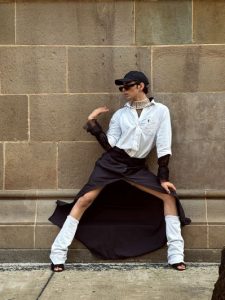
PAUSE: Manish Poonam’s movement retreat in Dehradun
Tell me more about PAUSE. How did it all start and why?
Pause is about self-engagement through dance and movement. I’ve always been drawn to long-term training programs, but I started with short online sessions. Wanting to bring this offline, I decided to start with a 15-day retreat, which turned into a 10-day experience.
The name “PAUSE” came from my ex-crew leader, who suggested, “Everyone’s running these days… just make them pause.” That’s how PAUSE was born: a retreat to help people express themselves and explore emotions through movement.
The first edition was held at Nivasaa in Dehradun. I kept it intimate with only 10 participants, offering an affordable fee. It wasn’t about profit, but love. I invited Sangram Mukhopadhyay, a theatre and movement enthusiast, to co-facilitate. I thought I’d teach, but the retreat became much more than I expected. It was about healing and learning to just be. Those 10 days were some of the most beautiful of my life.

Surviving as a dancer: find your own niche
What do you think about the difficulty of surviving as a dancer in the industry?
Surviving as a dancer is challenging if you follow what everyone else does just because it seems easier or more visible. Real fulfilment comes from finding your own niche and staying true to yourself. It might take longer and involve failures, but when your time comes, you won’t just stand out. You’ll inspire others.
Success is better delayed but filled with creative satisfaction than to chase quick, materialistic gains. Authenticity brings freedom, allowing you to thrive without struggle.
Is dance male or female? Manish Poonam on gender and dance
What do you have to say to those who categorize dance into male or female styles?
I don’t blame people for categorizing dance as “male” or “female.” It’s what they’ve been taught. I used to think that way, too. But traveling, hearing different artists’ stories, and experiencing art has changed my perspective. Dance is gender-neutral and fluid. Gender shouldn’t even come into the conversation.
Change begins with us, the dancers. If we don’t challenge gendered expectations, how can we expect others to? It’s about supporting art for art’s sake, not through gendered lenses. While it may take time for the audience to catch up, we must keep sparking conversations and educating.
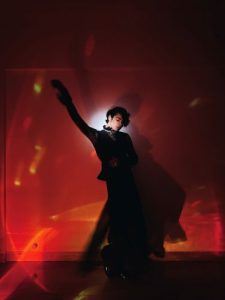
What dance means to Manish Poonam
What does dance mean to you?
When someone asks what dance means to me, it’s like asking what breathing means. It’s everything. Dance is more than just movement; it’s a part of who I am. It flows through me as naturally as breath. Dance isn’t something I do. It’s something I live.
Stigma, bullying and criticism: Manish Poonam’s answer
What stigma and criticism did you face when you decided to dance, and do you still face criticism today?
Growing up, my choices didn’t align with societal expectations. Whether it was the dance forms I explored, the songs I chose, or the costumes I wore, I was pressured to conform. I impressed others by fitting in, but I wasn’t satisfied. It took me a while to realize I was dancing for them, not for myself.
The lockdown became a turning point. I danced freely without an audience, and it felt liberating. Before that, I was bullied and made to second-guess my choices. But when I stopped caring about others’ opinions and focused on my own expression, I found my true voice. Criticism still comes at every stage, but it no longer bothers me. At least people are noticing my work, and that’s a win. If it sparks thought or helps others evolve, that’s enough for me.
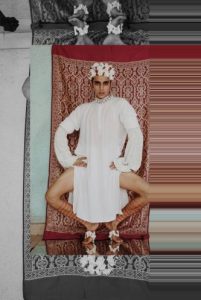
Manish Poonam’s future plans
What are your future plans?
I want to explore theatre and acting while continuing to grow as an artist. Everything is interconnected, and I love being in a flow state—letting things unfold naturally while staying open to new experiences and growth. I’m excited about what’s next, and I’m open to wherever this journey takes me.
That is the thread running through this Manish Poonam interview: dancing for yourself, not for the audience, and letting dance be free of labels.
Editor’s note: Manish Poonam has appeared in the series Campus Beats, which returned for its sixth season on Amazon MX Player on 29 April 2026.
Manish Poonam: frequently asked questions
- Q: Who is Manish Poonam?
A: Manish Poonam is a waacking dancer, actor and model from Sri Ganganagar, Rajasthan, now based in Mumbai. He is known for his Instagram videos and appears in the series Campus Beats. - Q: What is waacking?
A: Waacking is a street dance style that grew out of punking, created in the gay clubs of Los Angeles in the early 1970s. It is known for rotating arm movements, posing and expressiveness. - Q: What is PAUSE by Manish Poonam?
A: PAUSE is a movement retreat about self-engagement through dance. Its first edition was held at Nivasaa in Dehradun with 10 participants and was co-facilitated with Sangram Mukhopadhyay. - Q: What does Manish Poonam say about gendered dance styles?
A: He says dance is gender-neutral and fluid, and that dancers must challenge gendered expectations if they want audiences to change.
Read next: Shantanu Maheshwari on his dance journey, Noel Alexander on becoming an Instagram dancer, and more on performing arts on Life & More.
Sandip Soparrkar is a ballroom dancer, Bollywood choreographer and columnist. [Add the exact degree, institution and year for his doctorate and honorary doctorate, and the exact name, awarding body and year for each award, before publishing.] You can read more of his columns on Life & More.