

How Pul Bangash Metro Station got its name?
- L&M SPECIAL
 Life&More
- 0
- 3 minutes read

The Story Behind the Pul Bangash Metro Station Name
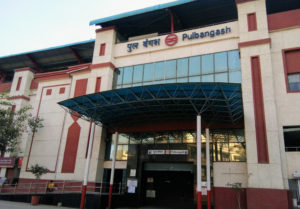
In short, Pul Bangash Metro Station is named after a bridge built in the 18th century by the family of Nawab Muhammad Khan Bangash. It’s one of the few Delhi Metro Red Line station names with a story rooted in Mughal-era history rather than just its neighbourhood. Located on the Red Line of the Delhi Metro, the Pul Bangash Metro Station has been named after the first nawab of Farrukhabad, Muhammad Khan Bangash. Farrukhabad is situated on the banks of River Ganga in the state of Uttar Pradesh, around 340 km from Delhi and around 200 km from Lucknow.
The History of Pul Bangash Bridge
The Pul Bangash history goes back to the Mughal era, long before it became a stop on Delhi’s Red Line. Pul Bangash or the bridge of Bangash was built in the 18th century over one of the branches of the Ali Mardan canal. During the rule of Mughal emperor Shah Jahan, a canal drawing water from River Yamuna was constructed in the 17th century. It was named after architect-builder Ali Mardan Khan. However, with the decline of Mughal rule, the canal dried up.The Pul Bangash bridge in Old Delhi no longer exists as a working waterway crossing, but its name lives on through the metro station.
Who Was Muhammad Khan Bangash?
Muhammad Khan Bangash, the Nawab of Farrukhabad, is the man this bridge and station ultimately owe their name to. The Bangash is a well-known tribe from east Afghanistan. Muhammad Khan Bangash (1665-1743) was a descendant of this tribe. He was an ally of the Mughal emperor Farrukhsiyar and his successor Muhammad Shah “Rangila”. Being friendly with the Mughal emperors, he held quite some influence in Delhi. It is said that his wife Rabia Begum got the Pul Bangash bridge built over a branch of the Ali Mardan canal. She was also responsible for the construction of Kamra Bangash (a haveli in Bazar Mir Khan; on the present-day road running straight from Matia Mahal to Delhi Gate) and Sarai Bangash (an inn near Fatehpuri Masjid).
