

Adaptive Reuse in Architecture: Sustainable Way to Transform Old Buildings
- L&M SPECIAL
 Life&More
- 0
- 10 minutes read


Mueen Haris
Adaptive reuse is emerging as one of the most powerful trends in modern architecture, offering a sustainable and creative way to extend the life of existing structures. Instead of demolishing old buildings, architects are transforming them into functional spaces that meet contemporary needs while preserving their historical and cultural value.
This approach is reshaping urban landscapes and redefining how we think about sustainability in construction and design.
What is Adaptive Reuse in Architecture?
Adaptive reuse refers to the process of repurposing an existing building for a new use while retaining its core structure and architectural character. It allows cities to preserve their built heritage while reducing the environmental impact associated with demolition and new construction.
By reimagining old spaces, architects create buildings that carry historical significance while serving modern functions such as residential complexes, offices, retail spaces, restaurants, and cultural hubs.
Sustainability Benefits of Adaptive Reuse
One of the strongest advantages of adaptive reuse is its contribution to sustainable development.
Demolishing buildings generates large volumes of waste and requires significant energy and raw materials for new construction. In contrast, adaptive reuse:
- Reduces construction waste
- Conserves embodied energy already present in structures
- Minimises demand for new raw materials
- Supports the principles of a circular economy
This makes it a key strategy in reducing the overall carbon footprint of the built environment.
Preserving Heritage and Cultural Identity
Old buildings often carry unique architectural details, craftsmanship, and historical narratives that are difficult to recreate in modern construction.
Adaptive reuse helps preserve:
- Heritage architecture such as colonial-era buildings and industrial structures
- Cultural identity of neighbourhoods and cities
- A tangible connection to history
From Victorian factories to art deco theatres and heritage bungalows, these structures become living reminders of the past while serving present-day needs.
Economic Advantages of Adaptive Reuse
Beyond sustainability, adaptive reuse also offers strong economic benefits.
While renovation may require careful planning and investment, it often results in:
- Lower construction timelines compared to new builds
- Reduced material and structural costs
- Higher market value due to unique design and character
- Increased demand from businesses and tenants seeking distinctive spaces
Repurposed buildings frequently become premium properties, especially in urban centres where land is limited and demand is high.
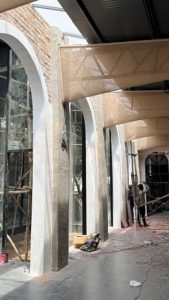
Challenges in Adaptive Reuse Projects
Despite its benefits, adaptive reuse comes with technical and regulatory challenges.
Architects and developers must address:
- Structural stability of older buildings
- Compliance with modern building codes
- Preservation guidelines for heritage structures
- Integration of new utilities and technologies
Success depends on a collaborative approach between architects, engineers, preservation experts, and urban planners.
Examples of Adaptive Reuse in India
India has several successful examples of adaptive reuse that demonstrate its potential.
In Bengaluru, heritage structures have been transformed into commercial and cultural spaces such as Hatworks Boulevard, a restored colonial-era building now home to boutiques and cafés. Similarly, old bungalows and institutional buildings have been converted into restaurants, offices, and lifestyle stores, blending history with modern urban life.
These projects show how adaptive reuse can revitalise neighbourhoods while preserving architectural identity.
The Future of Adaptive Reuse
As cities become denser and sustainability becomes a global priority, adaptive reuse is expected to play a central role in urban development.
It offers a future where:
- Old buildings are not demolished but reinvented
- Sustainability and heritage go hand in hand
- Cities grow without losing their identity
In a world increasingly focused on climate responsibility, adaptive reuse is not just an architectural choice—it is a necessity.
Adaptive reuse represents a shift in architectural thinking—from building new at all costs to valuing what already exists. By preserving structures and reimagining their purpose, architects can create sustainable, meaningful, and economically viable spaces.
As Mueen Haris, Architect and Founder of Ds2 Architecture, highlights through this approach, the future of architecture lies in creativity, conservation, and conscious design.
Some Successful Transformations
The examples of successful transformations are all around us. In Bengaluru, a century-old colonial-era home that once housed a hat-making factory has been revitalized as Hatworks Boulevard, a vibrant commercial space with boutiques and cafes. Another notable example is the Cinnamon boutique, which transformed a dilapidated colonial bungalow that was once an orphanage into a chic lifestyle store. Closer to home, countless old bungalows have been reborn as trendy restaurants, offices, and boutique hotels, showcasing how the city’s architectural past is being integrated into its modern, bustling life. These projects are a testament to the power of imagination and the potential of our built environment.
In an age of increasing environmental awareness and a desire for authentic experiences, this practice is more relevant than ever. It’s a method that honors the past while building a more sustainable future. By embracing the challenge of giving old buildings new life, we are not only preserving our heritage but also creating more resilient, character-filled, and environmentally friendly communities for generations to come. The future of our built environment may not lie in tearing down the old, but rather in thoughtfully and creatively reusing what we already have.
Mueen Haris is an architect and Founder, Ds2 Architecture
