

Designing Homes Around Real Life: Functional Interior Design by Shivani Gupta Mittal
- HOME DECOR
 Life&More
- 0
- 6 minutes read

Shivani Gupta Mittal
Designing a home around real life begins with understanding how people actually use their spaces. Every home has its own rhythm, shaped by the daily routines, habits, and lifestyle patterns of its residents. Functional interior design focuses on translating these real-life needs into thoughtful layouts, creating homes that feel comfortable, practical, and effortless to live in.
Instead of forcing a lifestyle to fit a fixed layout, the space is designed to support how people truly live.
Understanding Daily Flow for Better Home Design
The foundation of lifestyle-based interiors is observing how a household functions on a daily basis. Understanding questions such as how the family begins and ends their day, which areas see the most activity, and where clutter tends to collect helps designers create a meaningful plan.
When a home is designed with this clarity, every space has purpose. Storage is placed where it is needed most, furniture fits the scale of the room, and movement between spaces feels natural and smooth. This approach not only improves functionality but also reduces everyday stress and improves organisation.
Smart Space Planning for Modern Living
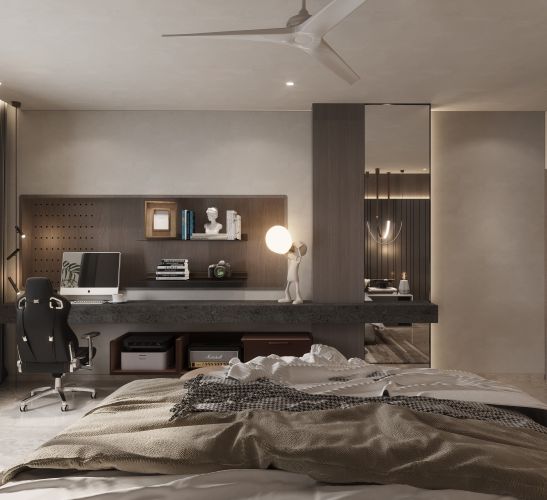
A well-designed home is one where each space performs efficiently without feeling complex. In residential interior planning, the kitchen should allow smooth movement between cooking, cleaning, and preparation zones. Living areas must encourage interaction without feeling crowded, while bedrooms should offer calmness, privacy, and rest.
Key elements such as natural light, ventilation, and material durability also play a crucial role in long-term comfort. When these fundamentals are carefully addressed, the home becomes easy to maintain and pleasant to live in every day.
Flexible Interior Design for Changing Lifestyles
Modern homes must adapt as life evolves. Families grow, routines change, and work patterns shift—making flexibility an essential part of lifestyle-based home interiors.
A study corner today may become a reading nook tomorrow, or a guest room may transform into a home office. Designing with adaptability—through modular furniture, neutral design bases, and smart layouts—ensures that homes remain relevant for years without major renovations.
Creating Natural Flow Between Spaces
Effective interior design also depends on how spaces connect. A well-planned home maintains a clear transition between public and private zones.
Living, dining, and kitchen areas should feel connected enough to encourage family interaction, while bedrooms and personal spaces must retain privacy and calm. When spatial flow is well-balanced, the entire home feels harmonious and intuitive.
Personalisation in Functional Home Interiors
A home should reflect the people living in it. Personal touches—such as curated colour palettes, memory walls, or dedicated hobby spaces—add identity without creating clutter.
These subtle details ensure that the space feels lived-in and meaningful, rather than staged. In human-centric interior design, personality and functionality go hand in hand.
Designing Homes That Work for Real Life
Ultimately, designing homes around real life is about balancing comfort, functionality, and emotional connection. A well-planned home supports daily routines, adapts to change, and reflects the identity of its residents.
When interior design is rooted in real experiences and real needs, it creates more than a visually appealing space—it creates a home that truly works.
Shivani Gupta Mittal is Principal Designer, House of Lalittya
