

Remembering Satyajit Ray: Goutam Ghose Pays Tribute to a Cinematic Legend
- ENTERTAINMENT
 Life&More
- 1
- 4 minutes read

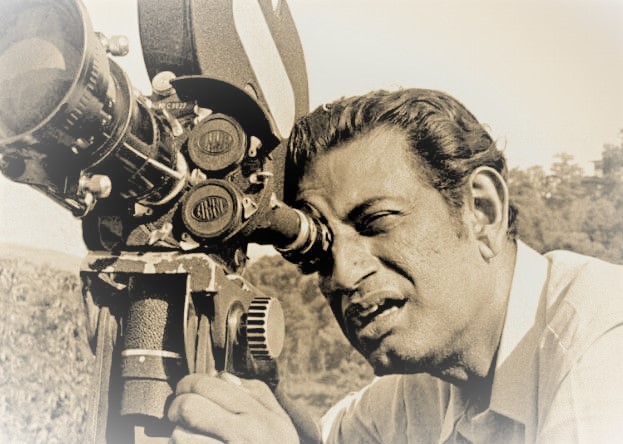

As we enter the birth centenary year of undoubtedly the best Indian filmmaker of all times – Satyajit Ray (May 02, 1921 – April 23, 1992) – noted director and multiple National Film Award winner
GOUTAM GHOSE on the legend’s 99th birth anniversary today
In my opinion, he was one of the last Mohicans of the Bengal Renaissance. He was not just a filmmaker but a great mind. Very rich mind. Very cultivated mind. All this he inherited from his family. He came from a family known for its rich cultural heritage – his grandfather, father, and other relatives being highly cultured individuals.
But he was a very simple and down-to-earth person. Filmmakers like Manik da—as he was affectionately known to those close to him—are no longer made. He led a versatile but decent middle-class life.
Whenever he was through with a film, he would call up and ask me to reach his place early next morning. He used to get up early even though he had worked through the previous day without rest.
And then he would share his observations, “You have made a good film and I loved it but there are certain points that could have been better. In cinema, you cannot erase. Like you can write a poem and if you don’t like it, you can throw it and write again. But in cinema, you can’t do it. You can only take corrective measures in your next movie.”
Now, this is great advice. And that’s not it. He would keep discussing the movie for hours as he had watched it so minutely and had so many points about it to share. Sadly, the humanity and simplicity that defined that generation seem increasingly rare today. And most importantly, the concept of time management they followed has evaporated too. There was so much discipline.
After I made a film about him following his death, it was screened at an international film festival where acclaimed Italian filmmaker Bernardo Bertolucci remarked, “I am a great admirer of Ray, but I didn’t know he was such a great illustrator, composer, and writer—all rolled into one.” The comment reflected how comprehensively the film portrayed the many facets of Ray’s extraordinary creativity.
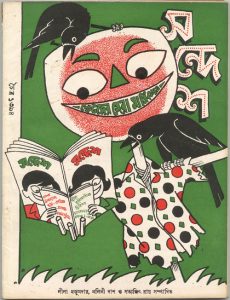
Manikda was also immensely passionate about literature and science so much so that he revived the children’s magazine, Sandesh, which his grandfather had started in the 19th century. The magazine aimed at children having a scientific mind along with a sense of art. A combination of art and science. The idea was to teach kids, from a young age, about various aspects related with life. The intention was to spread true knowledge to young people.
Not that he only worked and didn’t enjoy. A true addabaaz, he spent his evenings surrounded by friends and guests, sharing jokes, debating ideas, and creating an atmosphere of warmth and laughter. Interestingly, all this while there used to be a sheet of paper on his lap on which he used to be sketching — multitasking and preparing for tomorrow.
I hope Manikda’s life, especially his simplicity and his works will keep inspiring generations to come.
As told to Saurabh Tankha
