India’s wildlife tourism and conservation efforts received a major boost as the Central Zoo Authority (CZA) approved two significant zoo projects — the Shaheed Ashfaq Ullah Khan Prani Udyaan in Gorakhpur, Uttar Pradesh, and the Rajgir Zoo Safari in Nalanda, Bihar.
The approval was granted under the leadership of Union Environment and Forests Minister Prakash Javadekar, marking an important step toward modernising zoological parks in India.
Shaheed Ashfaq Ullah Khan Prani Udyaan: A Modern Zoo in Uttar Pradesh
Spread across 120+ acres, the Shaheed Ashfaq Ullah Khan Prani Udyaan is set to become the second-largest zoo in Uttar Pradesh, after Kanpur Zoo.
The zoo aims to promote wildlife awareness through naturalistic enclosures and immersive visitor experiences. Planned modern facilities include:
4D theatre for educational wildlife experiences
Battery-operated tourist train
Divyangjan-friendly accessibility infrastructure
Eco-friendly visitor zones
This development focuses on combining conservation education with sustainable tourism.
Rajgir Zoo Safari: A World-Class Wildlife Experience in Bihar
Authorities will open the upcoming Rajgir Zoo Safari, spread over 472 acres in Nalanda district, within two months.
Designed as a safari-based zoological park, it will provide animals with larger, more natural habitats while offering visitors an immersive wildlife experience.
Key highlights include:
Five dedicated safari zones
Lion safari
Tiger safari
Leopard safari
Bear safari
Herbivore safari featuring species like spotted deer and sambar
Located near the historic site of Nalanda, the zoo is expected to attract significant tourist footfall and boost eco-tourism in the region.
India’s 10-Year Zoo Modernisation Vision
India is currently implementing a 10-year national vision plan to upgrade 15 selected zoos across the country to global standards.
Key goals of the initiative include:
Upgrading infrastructure and animal habitats
Enhancing conservation and breeding programmes
Encouraging public-private partnerships
“Twinning” Indian zoos with leading international zoos
Promoting corporate participation in zoo modernisation
Boosting Conservation, Education and Eco-Tourism
These developments reflect India’s growing focus on modern wildlife conservation, biodiversity protection, and eco-tourism infrastructure.
By combining advanced facilities with natural habitats, these zoos aim to improve both animal welfare and public environmental awareness, making wildlife tourism more educational and sustainable.
 Life&More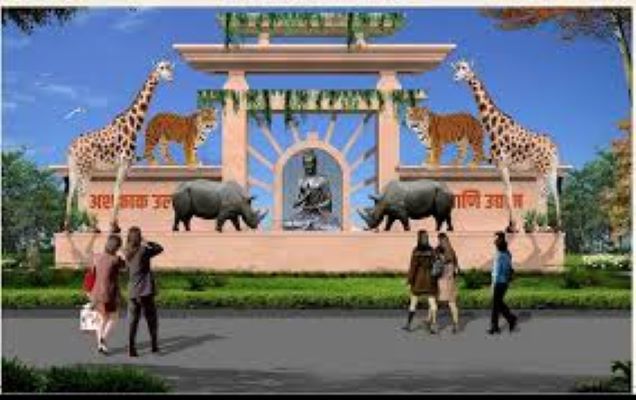


 Life&More

1 Comment
Tremendous things heгe. I am very hapрy to peer your article.
Thankѕ a lot and I’m looқing ahead tⲟ contact you.
Wіll you please dгop me a mail?