On the auspicious occasion of Buddha Purnima, we showcase a few ancient yet lesser-known Buddhist caves in MaharashtraRead More
Welcome to the Culture section of Life and More, where we explore the traditions, heritage, and the evolving cultural landscape that shapes our society. From timeless customs to contemporary cultural conversations, this space celebrates the essence of Indian culture and global influences.
Discover insightful stories and features that highlight traditions, art forms, values and philosophy. Whether you’re interested in heritage, social change, or cultural trends, our articles offer thoughtful reflections that connecting past with present.
Immerse yourself in narratives that preserve legacy, spark dialogue, and celebrate culture in everyday life.
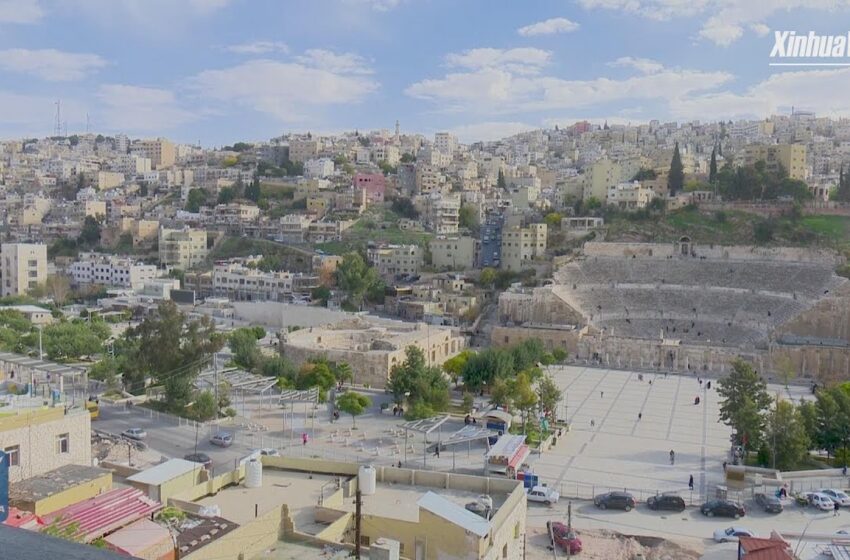
Team L&M Amid excavations for a water drainage system to control floods, a Greco-Roman archeological site was uncovered in the downtown of Amman, the capital of Jordan. According to the department of Amman antiquities, the site was found to have second-century tiled Roman baths with heated cellars and a crematorium. Incidentally, the historical Roman Theatre […]Read More
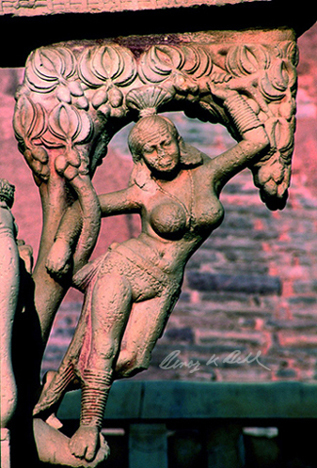
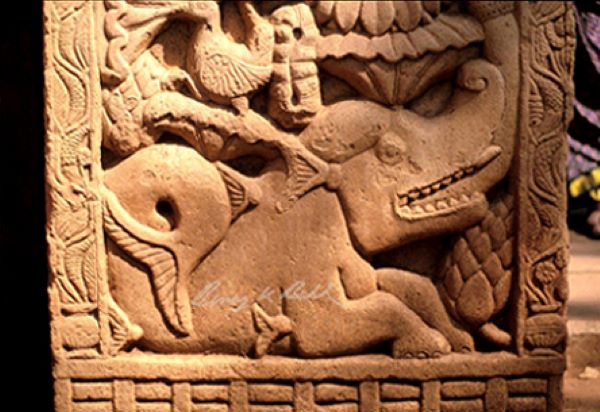
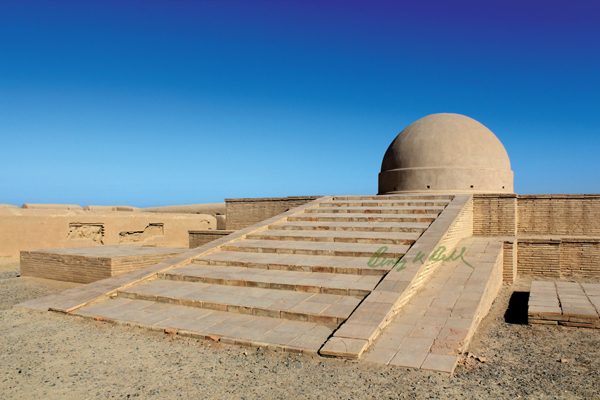
Benoy K Behl In Indic thought, the final truth which is sought is formless, arupa or nirguna. According to the Chitrasutra, for seeing the eternal, eyes are to be closed in meditation. Thus, in the heart of the sacred space, is made a symbol of that which is beyond the forms of the world around us, the stupa or the […]Read More
Benoy K Behl In ancient Buddhist temples, Jaina and Ajivika edifices, the simplest form, the stupa, was placed in the heart of the sacred space. In Hindu temples, it was the linga, or symbol, the mark of the formless eternal (nirguna) that was made in the sanctum sanctorum. These took us closest to the truth […]Read More
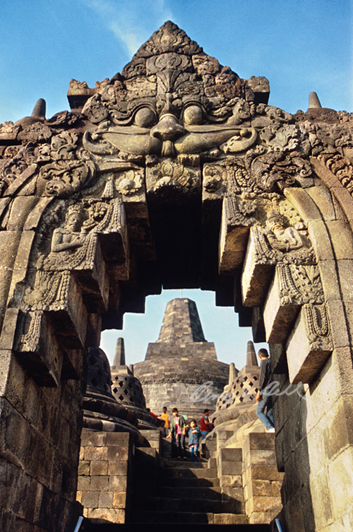
Benoy K Behl The great Borobudur stupa of the 8th-9th century CE in Indonesia clearly illustrates the purpose of the stupa in Buddhist thought. The vast stupa has exquisite relief made around it, which one sees as one goes around the stupa. At the lowest level of circumambulation, we are presented the kamadhatu, the life of passions […]Read More
Benoy K Behl Stupas are amongst the earliest Indian monuments which survive both of the Buddhist and Jaina traditions. Recent excavations near Nalanda have also unearthed a large stupa made between the 8th and the 10th centuries BCE. In Indic thought, the final truth which is sought is formless, arupa or nirguna. The concept of the stupa (of Buddhist, […]Read More
Benoy K Behl It was the beginning of the First Millennium BCE. There were many principalities of the northern plains of India. Some of them were Gana-Sanghas, with an elected council that ruled. In others, the concept of hereditary leaders was evolving. It was a time when great philosophic concepts, which were to last forever, […]Read More
Benoy K Behl Perhaps the most favourite subject of the early Indian sculptor is Durga as Mahishasurmardini where she kills the demon of ignorance in the form of a mahisha or buffalo. The depiction of her in a 7th century cave at Mamallapuram is one of the finest jewels of Indian art. In Indic thought, the only evil is […]Read More
Benoy K Behl The word “Puja” has sometimes been misinterpreted, by European writers, as “prayer”. Others have understood it correctly to mean “adoration”. Indic deities are adored, with incense, water, milk, flowers and through music and dance. The purpose of the philosophic path is for us to be able to see the truth beyond. To […]Read More