

World Immunization Week 2026: Why Vaccines Protect Every Generation

Team L&M
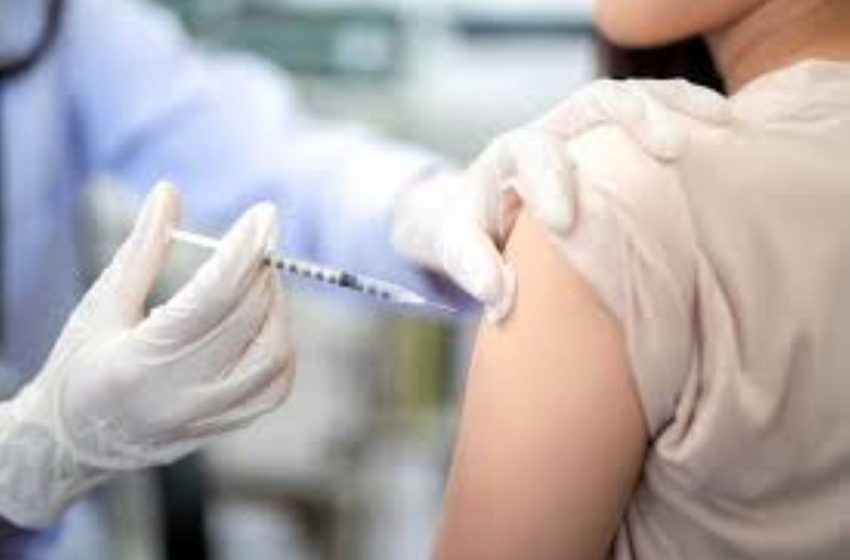
Every year, World Immunization Week is observed from April 24 to April 30 to raise awareness about the importance of vaccines in protecting people against preventable diseases. This year’s theme, “For Every Generation, Vaccines Work,” sends a timely and powerful message: immunization is not limited to childhood. It is a lifelong shield that safeguards health across every stage of life.
At a time when preventive healthcare is becoming increasingly important, this year’s campaign highlights the life-saving impact of vaccines and reinforces their role in ensuring healthier communities worldwide.
Vaccines: One of Public Health’s Greatest Achievements
Vaccines are widely regarded as one of the most effective public health interventions in history. Over the years, immunization has saved more than 150 million lives globally by preventing severe illnesses and reducing hospitalisations.
Today, vaccines against diseases such as HPV, malaria, dengue, meningitis, influenza, hepatitis, and pneumococcal infections continue to protect millions of people, allowing individuals to live longer, healthier lives.
Their impact goes far beyond disease prevention. Vaccination reduces healthcare costs, lowers the burden on hospitals, and strengthens overall public health systems.
Why Immunization Matters at Every Age
The theme of World Immunization Week 2026 places special emphasis on the fact that vaccines are essential for people of all age groups.
Protecting Children from the Start
Childhood immunization remains the foundation of preventive healthcare. Vaccines protect infants and young children from potentially life-threatening diseases and ensure a healthier beginning to life.
Safeguarding Adults
For working-age adults, vaccination reduces the risk of infection-related complications and helps maintain productivity and overall wellbeing.
Vaccines such as influenza, typhoid, hepatitis, and HPV are particularly important for adults, especially those with existing health conditions.
Supporting Healthy Ageing
For senior citizens, immunization plays a vital role in reducing the risk of severe illness, complications, and hospitalisation.
As immunity weakens with age, vaccines become an essential tool for maintaining health and independence.
The Rise of Accessible Vaccination Services
Healthcare delivery is evolving rapidly, making preventive care easier to access than ever before. Digital health services, pharmacy-led awareness initiatives, and at-home vaccination models are transforming the way families approach immunization.
Sharing his thoughts on World Immunization Week, Gaurav Verma, Chief Business Officer, PharmEasy, says, “Vaccination remains one of the most effective, evidence-backed interventions in preventive healthcare. It significantly reduces the burden of infectious diseases and their complications. Adult vaccination is often overlooked despite clear clinical recommendations for vaccines such as Influenza, HPV, Typhoid, Hepatitis, and Pneumococcal, particularly for individuals with underlying risk factors or comorbidities.”
Why Vaccine Quality and Delivery Matter
Accessibility alone is not enough. Vaccine effectiveness depends heavily on safe storage and transportation. Because vaccines are temperature-sensitive, maintaining strict cold chain systems is critical to preserving their clinical quality. Commenting on this, Uday Kadam, Chief Operating Officer (API Holdings) and Chief Business Officer (B2B), says, “Vaccination isn’t just about access, it’s about maintaining quality through every step of the supply chain. Since vaccines are temperature-sensitive products, even small deviations from recommended conditions can impact their effectiveness.”
The World Immunization Week serves as a crucial reminder for governments, healthcare providers, organisations, and citizens to prioritise vaccination as a pillar of lifelong health. The message is clear: vaccines are not just for children. They protect every generation.
As healthcare systems move toward preventive and personalised care, immunization remains one of the simplest, safest, and most effective ways to build a healthier future for all.
