

The Kaurs of 1984: Voices of Pain, Courage and Survival

Dr Sukriti Tankha
Main chauraasi ki ladki hun (I am a woman who has survived 1984).
This single line, spoken by a Sikh woman who lived through the 1984 anti-Sikh genocide in Delhi, sets the tone for what follows. It is powerful, haunting, and enough to hint at the unimaginable trauma she endured.
Even after 40 years, the scars remain unhealed. She continues to relive the horror—not just because of the violence she faced, but because the perpetrators were empowered by political protection. Justice remained elusive. Her voice, like many others, was never truly heard.
For decades, these women were silenced—dismissed, ignored, and pushed to the margins. Today, they are reclaiming their narratives with courage and clarity.
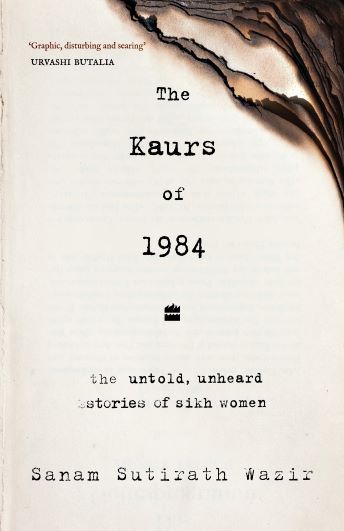
This is where The Kaurs of 1984 – The Untold, Unheard Stories of Sikh Women steps in. Published by HarperCollins, the book brings forth the lived experiences of Sikh women who suffered during Operation Blue Star, Operation Woodrose, and the anti-Sikh violence that followed the assassination ofIndira Gandhi in 1984.
Women and Violence: The Unheard Stories
History repeatedly shows that women bear the brunt of violence—be it riots, communal unrest, or even domestic conflict. Yet, their stories often remain untold. The events of 1984 were no different.
While much has been written about the riots, very little focuses on the experiences of Sikh women. In that sense, The Kaurs of 1984 fills a crucial gap, offering a deeply necessary perspective.
Voices That Refuse to Fade
Authored by Sanam Sutirath Wazir, the book documents oral histories of 40 women who witnessed unspeakable brutality—their husbands, fathers, and brothers burned alive in horrifying ways.
Some stories take unexpected turns. Nirpreet Kaur, once a college student, later became a militant and now runs an orphanage in Chandigarh. Others—Rajbir Kaur, Harmeet Kaur, Darshan Kaur, Satwant Kaur, Bimal Kaur, Harjeet Kaur, Gurdev Kaur, Rajinder Kaur—add layers of grief, resilience, and survival to this collective memory.
A Decade of Documentation
Built over 10 years of research, the book serves as a powerful archive of the 1984 pogrom and its aftermath. Each chapter—Chaurasi ki Na Insafi, From Pens to Guns, Militant Bride, The Daughter of a Cop, The Widows in Delhi—reveals deeper emotional intensity than the last.
Wazir does not soften the narrative. She presents the pain, anger, and loss with stark honesty, allowing readers to confront the brutal reality faced by these women.
An Emotional and Necessary Read
Reading The Kaurs of 1984 is not easy. It is emotionally exhausting and deeply unsettling. But perhaps that is precisely the author’s intent—to make readers feel the weight of trauma, to acknowledge the injustice, and to recognise the extraordinary resilience of these women.
This is not just a book; it is a testimony. A reminder. And above all, a voice long overdue.
