

Kavana: Pioneering Sustainable Fashion with Handcrafted Indian Textiles
- FASHION & BEAUTY INTERVIEWS
 Life&More
- 1
- 5 minutes read

Taruna Sharma
The brainchild of two NIFT graduates, Prerna & Jayant, Kavana was launched in March 2020, just before the first lockdown. From the moment the two business partners were exposed to the world of fashion, they believed there was a critical need for a shift in how traditional fashion businesses operate. They also aimed to give artisans more visibility and involvement in mainstream fashion.
Started on a bootstrapped budget with an initial investment of Rs 2 lakh, the brand collaborates with artisanal communities across India, including Bhujodi (weavers of kala cotton, natural dyers), Ajrakhpur (ajrakh printing), Bhagalpur (weavers of linen and silk), Habibpur (jamdani weavers and natural dyers in West Bengal), Phulia (jamdani weavers of West Bengal), and Bhopal (hand painting on saris and natural dyeing).
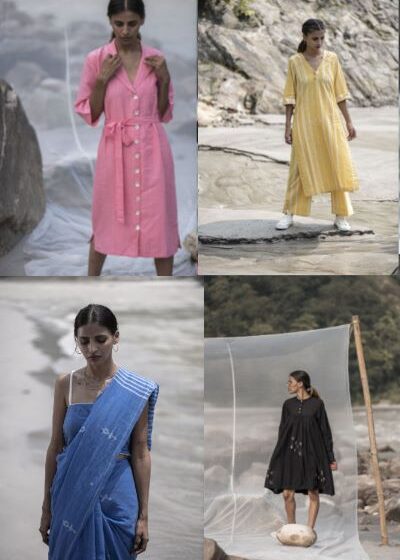
Kavana began with saris as they “signify the Indian way of living and are undoubtedly the most sustainable piece of clothing.” Recently, the brand has expanded into dresses, co-ords, kurtas, and tunics.
The Beginning
The last 18 months have been immensely challenging yet satisfying. “Since we launched our brand during a pandemic, sustaining our business while supporting artisans was even more challenging. But the support from our audience has kept our brand and purpose afloat,” says Prerna.
Working with natural dyes posed limitations in color variety, but through experimentation with artisans, Kavana now offers a wide spectrum of vegetable and plant-dyed fabrics in its catalog.
Sustainable Brand
Sustainability is central to Kavana, reflecting an eco-conscious lifestyle integral to Indian traditions.
“At Kavana, we researched eco-friendly practices and implemented them throughout our supply chain,” says Prerna. “We are also transparent with our audience about processes and materials,” adds Jayant.
“Our products combine traditional craftsmanship with contemporary designs and silhouettes, appealing to a young, fashion-forward audience,” says Prerna. Promoting sustainable fashion was a challenge initially, but continued conversations have shifted consumer mindsets. “People are increasingly investing in handcrafted, sustainable pieces,” says Jayant.
Cost Vs Quality
Affordability is determined by two factors: making cost and material quality. “Everything we create is dyed with natural/vegetable dyes and contains zero chemicals,” says Prerna. “Natural dyes take 4–5 times longer than chemical dyes, which increases production costs,” adds Jayant.
“As awareness grows and demand for handcrafted pieces rises, prices will gradually stabilize, allowing sellers to reduce margins while sustaining their business.”
Future Plans
Kavana aims to become a leader in sustainable fashion in India. The brand plans to expand its product line and make eco-friendly fashion accessible to a wider audience.
“Soon, we will launch a video series promoting Indian textile arts and crafts while maintaining sustainable fashion practices,” says Prerna.

1 Comment
congrats to NIFT graduates, for setting up sustainable fashion brand Kavana