

Dystopia Book Review: Manoj V. Jain Explores Life, Conflict and Human Psychology

Sukriti Tankha
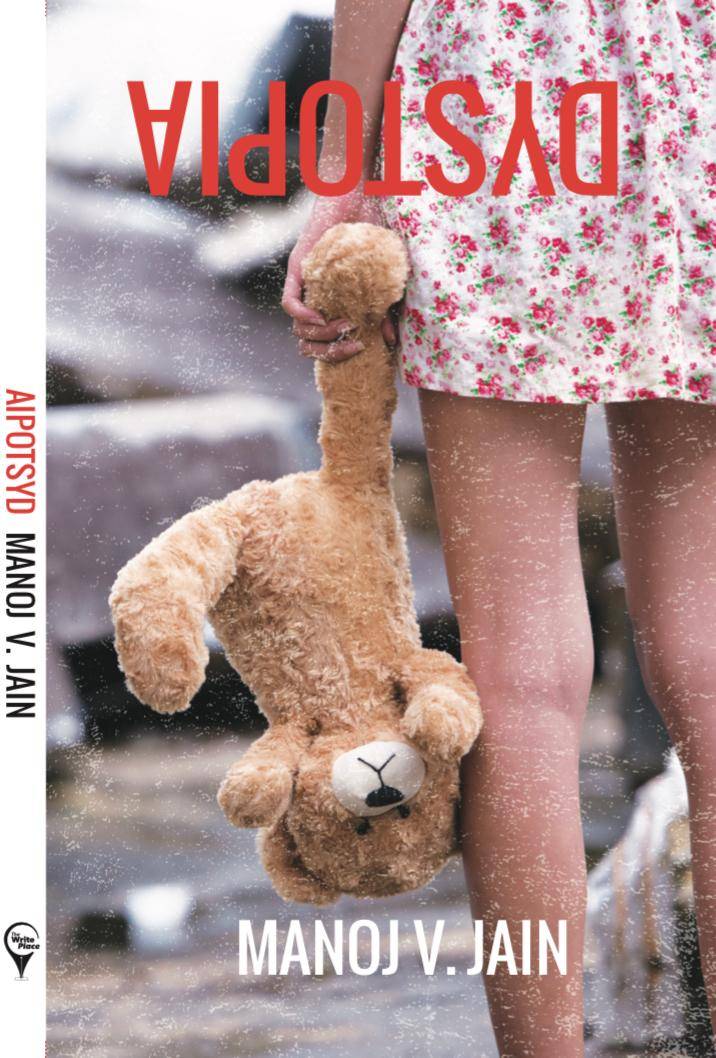
The term dystopia is often used to describe an imagined world where everything is unpleasant, frightening, or undesirable. In Dystopia, author Manoj V Jain takes this concept beyond fiction and applies it to the realities of everyday life—from childhood to adulthood.
Published by The Write Place, the book presents a thought-provoking narrative that reflects the emotional and psychological struggles individuals face as they grow.
A Unique Take on Life as a Dystopia
Rather than depicting a fictional dystopian world, the novel portrays life itself as a series of challenges and conflicts. While growing up can be joyful and memorable, it can also be confusing, overwhelming, and unpredictable.
One of the central themes explored in the book is the conflict between personal dreams and parental expectations—a dilemma that resonates with many readers.
The Storyline: Five Friends, One Night, Many Realisations
The narrative revolves around five friends—Teesha, Reema, Aniket, Ramesh, and Kabir—who reunite at a dinner party. As they reflect on their individual journeys, they revisit their past choices, struggles, and aspirations.
In the process, they also unravel the mystery surrounding the death of their friend Anandita, adding an element of intrigue to the story.
Exploring Adolescence and Psychological Struggles
One of the book’s strengths lies in its portrayal of adolescence—a phase marked by confusion, emotional turmoil, and self-discovery.
Through its characters, Dystopia explores:
- Identity crises and personal conflicts
- Commitment issues and difficult life choices
- The search for love, happiness, and acceptance
- Coming to terms with one’s sexuality
The author presents these complex themes in a way that is engaging without becoming overly heavy or academic.
A Glimpse into the Narrative
An interesting metaphor used in the book is that of Shambala, a blissful kingdom representing childhood innocence. As children grow, they are drawn into the darker realm of “dystopia,” symbolising the harsh realities of life.
This transition effectively captures the loss of innocence and the onset of life’s challenges.
The Role of Parents and Society
The book also highlights the influence of parents in shaping a child’s life, emphasising how expectations and upbringing impact decision-making and emotional well-being.
It raises important questions about how much freedom individuals truly have in choosing their own paths.
Strengths and Minor Flaws
Manoj V. Jain’s interest in psychology is evident throughout the book. He successfully simplifies complex psychological concepts, making them accessible to a wider audience.
However, the narrative occasionally suffers from shifts in tense, which may disrupt the reading experience at certain points. A tighter editorial approach could have enhanced the overall flow.
Dystopia is a compelling read that goes beyond its title to explore the realities of life, relationships, and personal growth. It offers valuable insights into the human psyche while keeping the narrative engaging and relatable.
For readers interested in psychological fiction and coming-of-age stories, this book is definitely worth exploring.
