

Sahar Zaman on Social Justice, School Safety and the State of Arts in India
- INTERVIEWS L&M SPECIAL
 Life&More
- 0
- 10 minutes read

Team L&M
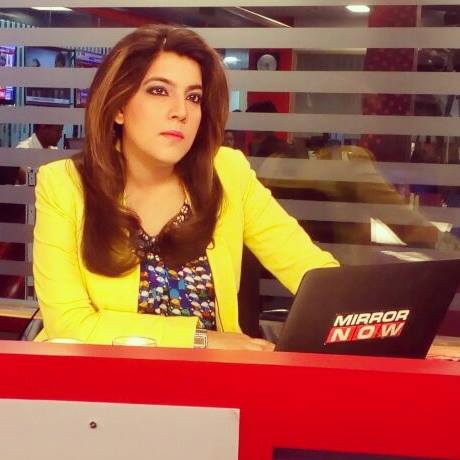
A television news anchor, founder of Asia’s first web channel on arts, and director of a home décor and jewellery brand—Sahar Zaman wears many hats and carries each role with remarkable flair.
A few months ago, she actively campaigned for the cause of #MakeOurSchoolsSafe, following the tragic murder of a seven-year-old boy in a Gurugram school. The campaign not only shook parents across the country but also exposed serious loopholes in school safety in India.
In this conversation with Life & More, Sahar speaks about social issues, child safety, governance, and the evolving arts landscape.
“Media Must Serve Social Consciousness”
You are among the few TV anchors raising social issues. Do others shy away due to image concerns?
It is important to realise that a medium as powerful as TV news should be used for the benefit of people and social consciousness. But some anchors raise issues inside studios and forget them once they step out.
I believe in practicing what I preach. In my personal life, I speak about women’s safety, child protection, and labour rights. The knowledge we gain as journalists must be shared so people understand their rights better.
Child Safety in India: “Heart-Breaking and Outrageous”
Your view on the condition of children, especially girls, in India today?
It is both heart-breaking and outrageous. Incidents like the Gurugram school murder, the Kathua rape case, and the Unnao case have caused deep anguish.
A lot of what is promised in the name of child protection is not implemented. The reality often contradicts campaigns like Beti Bachao, Beti Padhao. It is irresponsible on our part as citizens to ignore these gaps.
Government Accountability and Legal Gaps
What are your expectations from the government?
While there have been some amendments in laws like the POCSO Act and the Juvenile Justice Act, implementation remains weak.
The bigger issue is the lack of accountability in law enforcement. Everyday crimes like stalking, harassment, and online abuse are often ignored, which emboldens criminals to commit more serious offences.
#MakeOurSchoolsSafe: A Nationwide Wake-Up Call
How was the response to your campaign?
Overwhelming. When we launched #MakeOurSchoolsSafe on Mirror Now, parents across the country reached out with concerns.
They wanted clarity on:
- School safety guidelines
- Supreme Court directives on child protection
- CBSE norms for accountability
- Their legal rights as parents
Unfortunately, it took a tragic incident for society to wake up.
How Can Schools Be Made Safer?
A lot of laws and guidelines already exist—the challenge is implementation.
Today, blind trust in institutions is no longer enough. Parents must:
- Stay informed about child safety laws in India
- Understand school accountability
- Be aware of corrupt practices affecting safety
For example, education is often treated as a service. If parents are paying high fees, they have the right to approach consumer courts against negligence. Awareness is empowering—it is our strongest tool.
Beyond Schools: A Larger Social Overhaul Needed
Does society need a larger reform given rising crimes against children?
Absolutely. But change will only come when citizens become informed and proactive.
When was the last time we learned how to file a complaint against a police officer refusing to register an FIR? Social media, too, can be a powerful tool to highlight injustice—if used responsibly.
Balancing Multiple Roles: Journalism, Arts and Entrepreneurship
Apart from journalism, Sahar Zaman is also the founder of Hunar TV, Asia’s first web channel on arts, and the creative force behind Chamak Patti, a home décor and jewellery brand.
Which role do you enjoy the most?
Honestly, all of them. Journalism allows me to tell real stories. Hunar TV is my passion for arts, and Chamak Patti is my creative expression. Each one is equally important to me.
The State of the Arts in India
Your take on the current art scene and rise of art fairs?
I wish there was a sustained growth in art fairs and cultural platforms. Currently, the ecosystem struggles to support even one major annual event.
Government support has been lacking. Policies like demonetisation and GST have adversely impacted:
- Handloom industries
- Traditional crafts like brassware
- Contemporary art markets
The result is a weakened cultural economy that needs urgent revival.
Awareness, Accountability and Action
Sahar Zaman’s voice stands out in a landscape where journalism often stops at reporting. Her work highlights the need for active citizenship, informed parenting, and institutional accountability.
From advocating school safety in India to promoting arts and culture, her journey reflects a commitment to both social impact and creative expression.
