

Integrated Townships – The Future of Urban Living in India
- PROPERTY & HOUSING
 Life&More
- 0
- 4 minutes read

Akash Pharande
India’s urban population is growing rapidly, causing major cities to face overcrowding, traffic congestion, pollution, and strained infrastructure. According to the United Nations, nearly 40% of India’s population will reside in urban areas by 2030, putting immense pressure on housing, transportation, and essential services. This has led many residents to consider relocating to smaller tier-2 and tier-3 cities.
However, most employment opportunities remain concentrated in large cities, and development pressures eventually extend to smaller cities as well. Integrated townships have emerged as a sustainable solution for residents who want a balanced, convenient, and high-quality lifestyle without abandoning urban centers.
What Are Integrated Townships?
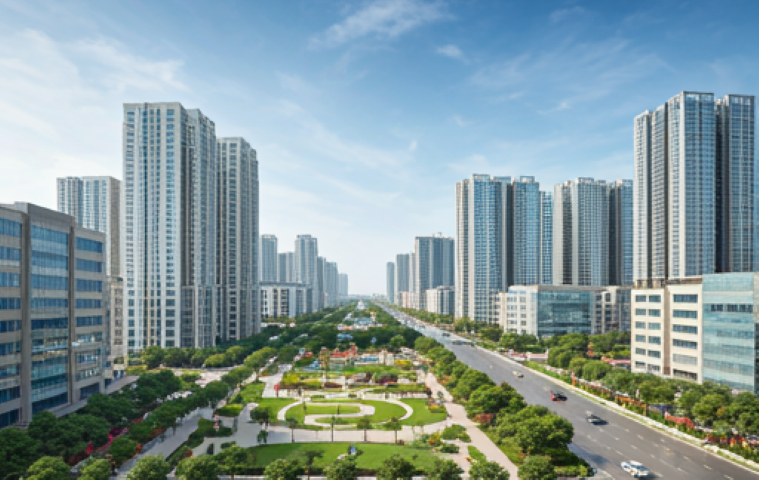
Integrated townships are self-sustaining communities that combine residential, commercial, educational, and recreational facilities in a single, comprehensive layout. Unlike conventional city apartments, which often lack proximity to essential amenities, integrated townships provide a holistic living experience.
India’s integrated township concept traces back to early examples like Jamshedpur (1907), planned by the Tata Group, and Chandigarh, designed by Le Corbusier in the 1950s. Large-scale integrated township developments gained momentum in the 2000s and have become a key solution for modern urban living.
Benefits of Integrated Townships
1. Reduced Commuting
Residents enjoy closer proximity to workplaces, schools, healthcare, shopping, and entertainment. Reduced commuting saves time, lowers expenses, and alleviates city traffic. Over 80% of metropolitan homebuyers now prefer projects within 10 km of their workplaces.
2. Environmentally Friendly Living
Integrated townships incorporate green spaces, rainwater harvesting, renewable energy, and efficient waste management systems. These eco-friendly features reduce carbon footprints and promote sustainable urban ecosystems.
3. Improved Quality of Life
Townships offer parks, sports complexes, healthcare facilities, and community centers, fostering wellness, safety, and a sense of community. Schools and educational institutions within townships ensure families enjoy better work-life balance and convenience.
4. Enhanced Investment Value
Integrated townships outperform standalone residential projects in price appreciation and rental yields due to superior amenities, convenience, and demand. Post-COVID trends have also increased demand for office spaces within townships, supporting a ‘walk-to-work’ lifestyle.
The Future of Urban Housing in India
As cities continue to expand, traditional housing models are increasingly inadequate. Homebuyers now prioritize sustainability, convenience, and community-focused living. Integrated townships provide a solution that meets these demands, making them the future of urban housing in India.
Akash Pharande is Managing Director, Pharande Spaces
