

State of Pet Homelessness in India: Mars Petcare Urges Adoption of Street Dogs
- PETCARE & COMPANIONS
 Life&More
- 0
- 9 minutes read

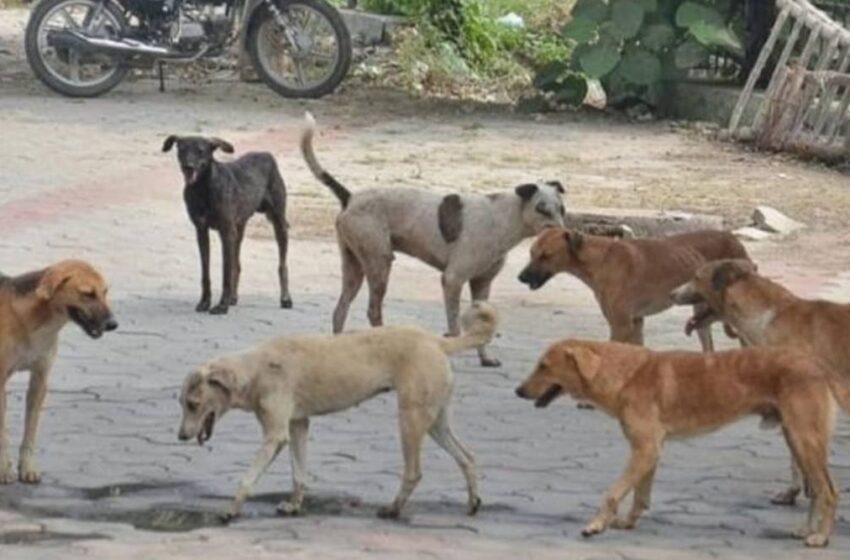
The State of Pet Homelessness Index, released yesterday, advises people to give up their fetish for breed dogs, and adopt street dogs instead
Team L&M
The first-ever State of Pet Homelessness Index, released by Mars Petcare India yesterday, highlights the urgent need to shift focus from breed dogs to adopting street dogs in India. The index provides valuable insights into the challenges faced by homeless pets in India and suggests actionable steps for pet parents, animal welfare organizations, and government bodies.

Alarming Numbers: Homeless Dogs and Cats in India
India has nearly 80 million homeless cats and dogs, living either in shelters or on the streets. Despite the surge in pet adoption interest during the COVID-19 lockdown—where two-thirds of pet parents developed a deeper bond with their pets and six in ten considered adopting—street dogs remain overlooked.
Key statistics reveal:
- 82% of dogs in India are street dogs
- 82% of people believe street dogs should be housed in shelters
- 53% perceive street dogs as a threat to humans
- 65% fear dog bites
About the State of Pet Homelessness Index
Prepared by Mars Petcare in collaboration with a panel of leading animal welfare experts, the index uses data from over 200 global and local sources across nine countries. It addresses critical issues including:
- Homeless companion animals (dogs and cats)
- Bias against shelter animals
- Lack of pet-friendly homes
- Relinquishment and abandonment trends
Taronish Bulsara, Co-Founder & President of World For All, Ganesh Ramani, MD of Mars Petcare India, Ambika Shukla, Director of Sanjay Gandhi Animal Care Centre (SGACC), and Dr. Muralidhar, Founder of VSAWRD, were present at the report’s release.
Challenges of Pet Ownership in India
India faces unique challenges that contribute to pet homelessness:
- Housing and financial limitations
- Practical barriers to adopting pets from shelters
- Lack of behavioral awareness about street dogs
- Preference for breed dogs over shelter adoption
The index shows that 50% of current and previous Indian pet owners have relinquished a pet, compared to 28% globally. Overall, India scores 2.4 out of 10 on the homelessness index, highlighting the urgent need for intervention.
Expert Insights: Call for Action
“Until now, there was no way to track the scale of homeless stray dogs and cats in India. This index provides a measurable basis to assess the impact of collective efforts,” says Ganesh Ramani, Managing Director of Mars Petcare India. He called for collaboration among government bodies, NGOs, and individuals to ensure all companion animals are wanted, cared for, and welcomed.
Shashanka Ala, Deputy Commissioner, Karol Bagh Zone, Municipal Corporation of Delhi, added: “Pet homelessness is a challenge for urban centres like Delhi, worsened by the pandemic. Initiatives like this are crucial to reduce pet homelessness and protect street dogs.”
Solutions to Reduce Pet Homelessness
A coordinated effort is needed to tackle pet homelessness in India:
- Foster families can temporarily house lost or injured pets and reduce shelter burden
- Public education on street dogs can reduce stigma and promote adoption
- Vaccinations can minimize human-animal conflicts
- Effective sterilization programs can reduce stray populations
Key Facts About Pet Care in India
- Companion animal sterilization and vaccination rates are low
- Veterinarian availability per capita for small animals is limited
- High incidence of diseases in dogs, including rabies, TVT, and fleas/ticks
- Pet ownership costs are relatively high
- Enforcement of animal welfare laws and local government action against cruelty needs strengthening
Why Adopting Street Dogs Matters
The State of Pet Homelessness Index underscores that adopting street dogs in India is not just ethical but essential for reducing overcrowding in shelters, promoting responsible pet ownership, and improving animal welfare nationwide.
