

Mental Health Therapy: Breaking Stigma and Building a Healthier, Happier Life
- HEALTH & FITNESS
 Life&More
- 1
- 9 minutes read

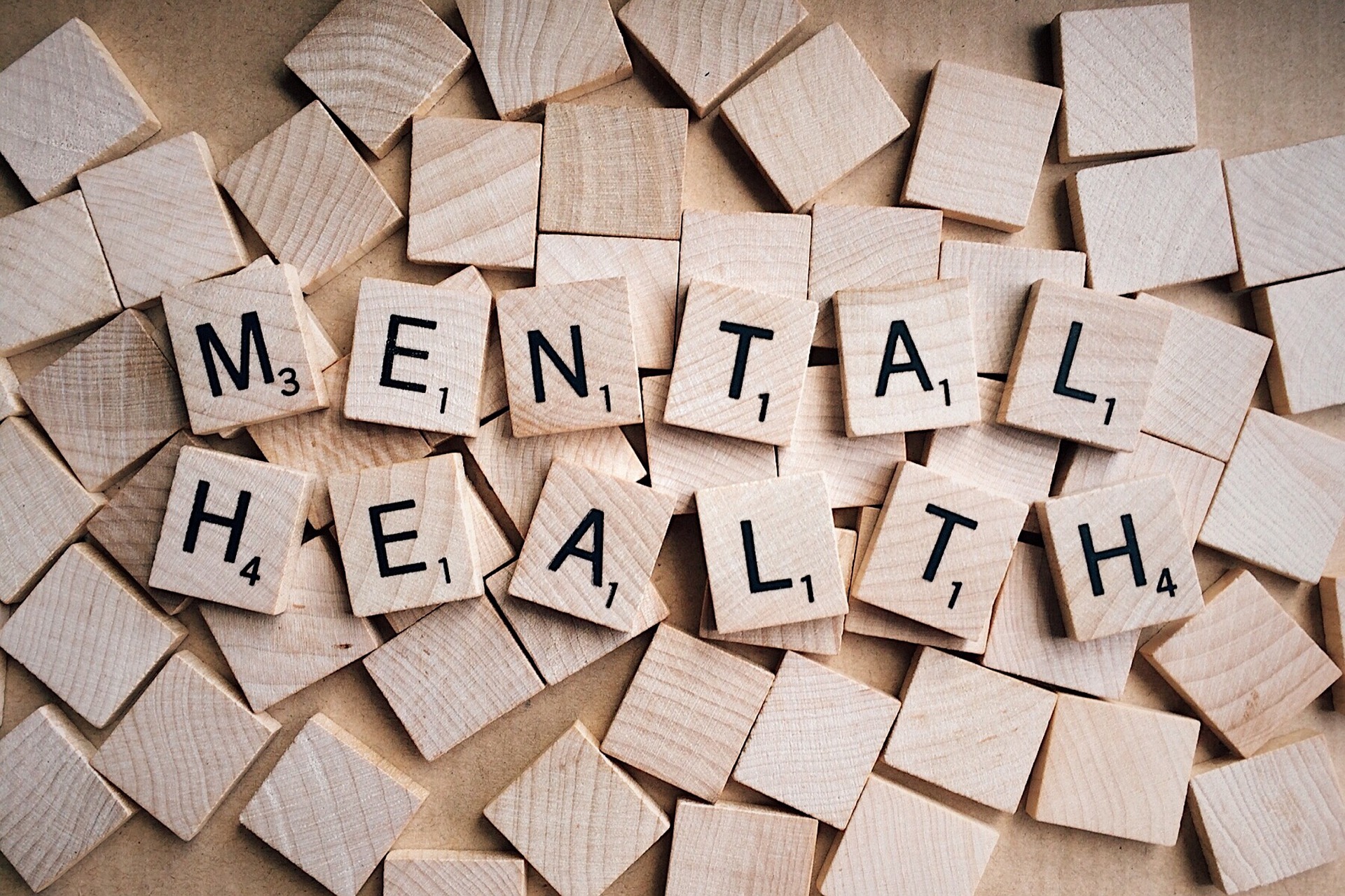
We all need to be in therapy sometime in our lives as it is useful in
getting healthy and making a good life better.
Atika Shukla
First of all, we need to stop labelling people. The moment we do that, we begin to focus on their limitations instead of understanding their true potential. Instead of using terms like mentally challenged, it is more respectful and appropriate to say differently abled.
With the right interventions — including assessment, special education, occupational therapy, and psychological therapies — and most importantly, a supportive family system, differently abled individuals can lead a life that truly reflects their potential.
Breaking the Stigma Around Mental Health
In my 13 years of practice, one thing has remained consistent among the many individuals I have counselled — when a crisis arises and there is no healthy coping mechanism, people tend to crumble.
Unfortunately, seeking help for mental health is still seen as a sign of weakness. Many believe that therapy is only for those with serious disorders or illnesses. This mindset needs to change.
In reality, therapy is for everyone. It plays a crucial role in the wellness model, helping individuals grow, achieve their potential, and make a good life even better.
Therapy: The Doctor and the Gym for Your Mind
To understand this better, consider two approaches to physical health — visiting a doctor and going to the gym.
-
We visit a doctor to treat an illness and return to a normal state.
-
We go to the gym to improve fitness, build strength, and enhance overall well-being.
Therapy works in both ways. It helps treat psychological challenges while also improving an already stable life. In that sense, therapy is the psychological equivalent of both a doctor and a gym.
Would we assume that people who go to the gym are unwell? Of course not. Then why should seeking help from a psychologist be viewed differently?
Therapy and Self-Acceptance
Many people struggle with self-acceptance. They constantly try to change themselves to gain approval, even when they are not suffering from any diagnosable mental illness.
Therapy helps individuals:
-
Identify barriers to self-esteem
-
Develop confidence
-
Prioritise their own happiness
It provides practical tools to build a healthier relationship with oneself.
Improving Relationships Through Counselling
Many relationships function on the surface but lack joy and connection. Over time, communication breaks down, and emotional distance grows.
Couples counselling can:
-
Improve communication
-
Resolve conflicts
-
Rekindle passion and emotional intimacy
It helps partners move from merely “functional” to truly fulfilling relationships.
Therapy as a Catalyst for Career Growth
Feeling stuck or unhappy in one’s career is a common experience. Often, the reasons are unclear — it could be fear, lack of direction, or interpersonal challenges.
Therapy can act as a catalyst by:
-
Helping individuals identify what’s holding them back
-
Building clarity and confidence
-
Supporting healthier decision-making
Letting Go of Emotional Baggage
Holding grudges may not be a diagnosable condition, but it can have serious emotional, physical, and relational consequences.
Through therapy, individuals can:
-
Process unresolved emotions
-
Learn to forgive and let go
-
Move forward with clarity and peace
Why Therapy is Essential for a Fulfilling Life
Therapy is not just about the absence of illness — it is about the presence of well-being. It helps individuals deal with overwhelming emotions, fears, and insecurities while regaining objectivity and balance.
In today’s fast-paced world, prioritising mental wellness is just as important as physical health. Therapy empowers individuals to not just survive, but truly thrive.
