

Simple Ways to Reduce Waste at Home and Keep the Environment Clean
- CLIMATE & NATURE
 Life&More
- 1
- 7 minutes read

Rajkumari Sharma Tankha
Protecting the environment does not always require big changes. In fact, small habits in our daily lives can make a significant difference. One of the most effective ways to protect nature is to reduce the amount of waste we generate at home.
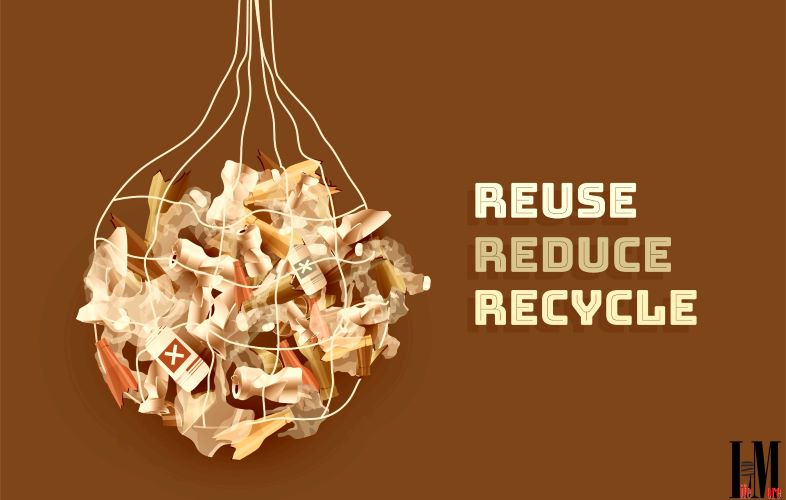
Along with reducing waste, we must also follow the other two important principles of sustainable living — Reuse and Recycle. Reuse whatever you can, and recycle what you cannot reuse. When practiced consistently, these simple steps can help reduce pollution and conserve natural resources.
Here are some easy and practical ways to reduce household waste and live more sustainably.
Reduce Waste at the Source
The first step towards a cleaner environment is reducing the waste we produce in the first place. Many small actions can help minimise waste generation.
For instance, instead of buying plastic bins, old cardboard boxes can be reused as dustbins. If kept clean and neatly folded, these boxes can even be reused later for school project boards or storage purposes.
Similarly, try to avoid unnecessary packaging and disposable items wherever possible.
Turn Kitchen Waste into Compost
A large portion of household waste comes from the kitchen. Instead of throwing vegetable peels and food scraps into the garbage, convert them into compost.
Composting is simple and eco-friendly. If you have a garden, you can dig a small pit and dump your kitchen waste there. If you live in an apartment, use a pot or compost bin. Each time you add waste, cover it with a thin layer of soil or sand. Over time, the waste decomposes and turns into nutrient-rich compost for plants.
This simple practice reduces landfill waste and improves soil fertility.
Carry Your Own Cloth Bags
Plastic bags are one of the biggest contributors to environmental pollution. A simple solution is to carry your own cloth or reusable bag whenever you go shopping.
This eliminates the need for polythene bags that often end up in garbage dumps and water bodies. Over time, this small habit can significantly reduce plastic waste.
Avoid Wasting Food
Food waste is another major concern. Many households cook more food than necessary or serve larger portions that eventually end up in the dustbin.
Try to cook only as much food as needed and take only the portion you can finish. Millions of people across the world struggle to get even one proper meal a day. Being mindful about food consumption helps reduce waste and encourages responsible living.
Reduce the Use of Paper
Another effective way to reduce waste is limiting the use of paper.
Just as we have become smarter in choosing technology, we should also become smarter in our everyday habits. Use digital or soft copies instead of printed documents wherever possible. Subscribe to online bills for electricity, mobile, water and gas to reduce paper consumption.
These small digital shifts can save thousands of sheets of paper each year.
Avoid Disposable Partyware
During parties and gatherings, many people use plastic, thermocol or aluminium foil plates for convenience. However, these disposable items generate unnecessary waste.
Instead, opt for steel, porcelain or glass utensils that can be washed and reused. This simple change helps reduce plastic waste significantly.
Reuse Paper for Rough Work
Many newspapers come with printed advertisement leaflets. Instead of throwing them away, use the blank side of these sheets for rough work.
You can even bind such sheets together to create rough notebooks for children. This not only reduces waste but also saves money.
Small Steps, Big Impact
Reducing waste is not difficult. It simply requires awareness and a willingness to change everyday habits. By following the principles of Reduce, Reuse and Recycle, each one of us can contribute to a cleaner and healthier planet.
Remember, protecting the environment begins at home—and every small step counts.

1 Comment
[…] the initiative for waste management should begin at home, and the mantra of 3 R’s, i.e., reduce, reuse and recycle, should be followed to minimise the quantity of waste that goes to the landfill. Most importantly, […]