

Discovering the Taj Mahal from Unexpected Angles
- CULTURE & HERITAGE
 Life&More
- 0
- 6 minutes read

Saurabh Tankha
Sometimes in travel — and in life — things may not seem to be going the right way. But when the experience finally unfolds, you realise everything happened exactly as it was meant to.
Something similar happened to me during one of my visits to the iconic Taj Mahal, the eternal monument of love located in Agra.
As I prepared to start photographing the magnificent marble monument, a man suddenly appeared from nowhere. Before I could even respond, he said warmly, “Arre huzoor, yahan se nahin… aaiye, main aapko sabse different angles batata hoon.”
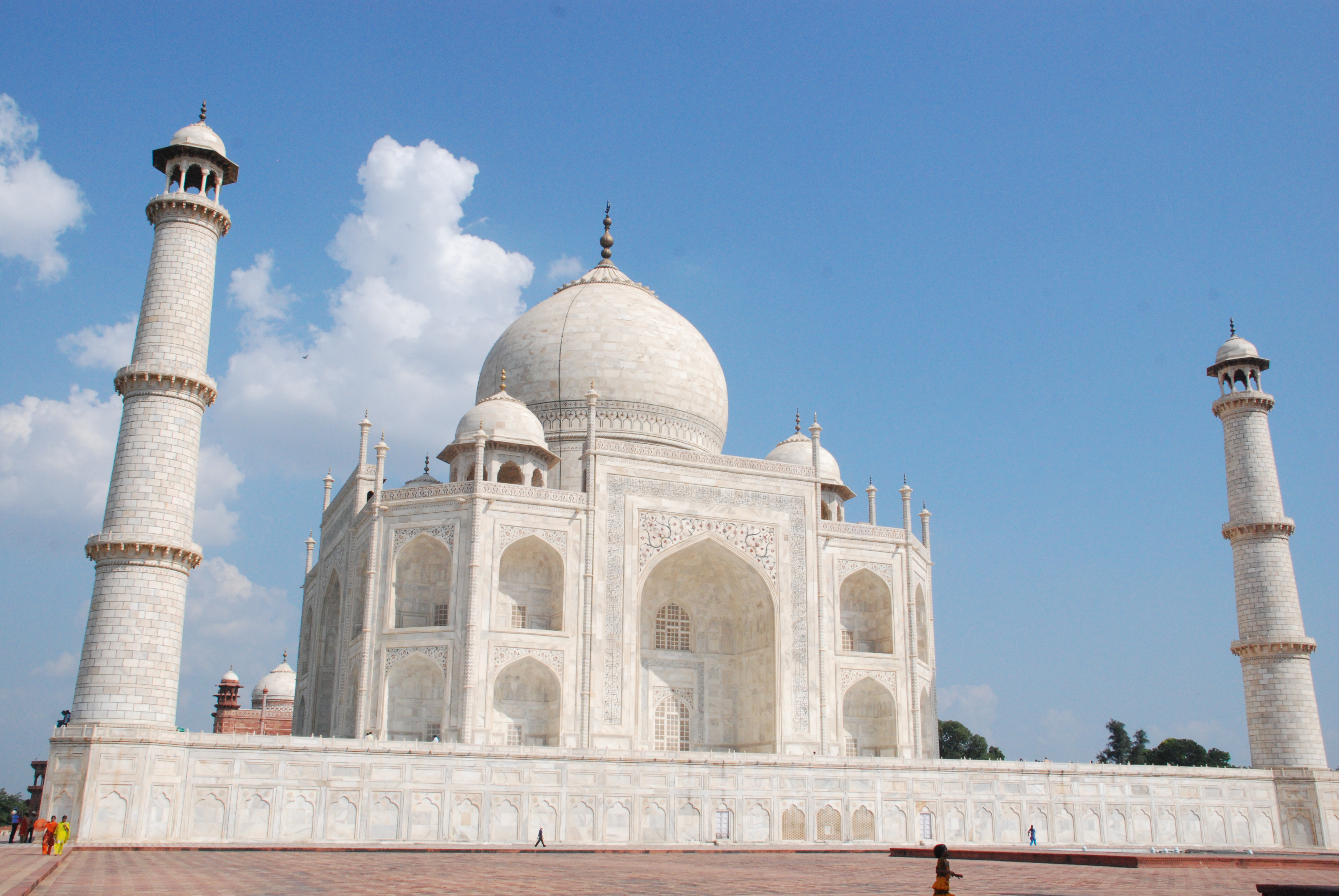
Without waiting for my answer, he gently guided me across the complex, pointing out vantage points I would never have discovered on my own. From these unexpected spots, the Taj Mahal revealed entirely new perspectives — unique angles that captured its grandeur in ways I hadn’t imagined.
What initially felt like an interruption soon turned into an unforgettable photographic experience.
In the end, the images I captured from those “different” locations turned out to be some of the most interesting photographs from that visit.
The encounter left me with a simple but powerful lesson: while travelling, it’s best not to presume too quickly. Sometimes, the most memorable moments happen when we allow ourselves to trust the unexpected.


