

Time to ring the “right” ghantiyaan (bells)

Rajkumari Sharma Tankha
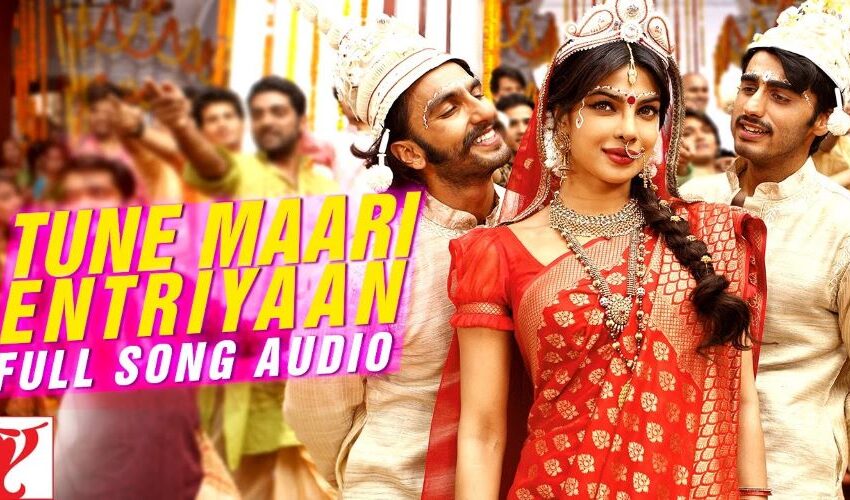
For the 25th day in a row, I have been hearing the song “Tune Maari Entriyaan, Dil Mein Baji Ghantiyan” from the Hindi film Gunday. Every morning around 9 AM, the song begins blasting at full volume from a school in my neighbourhood and continues until 2 PM, when the school closes.
Let me clarify: I have nothing against the song or the film. In a democratic country like India, freedom of expression allows filmmakers and lyricists to create the content they wish.
What surprises me, however, is that the song is being played repeatedly inside a school, where children are also preparing a dance performance for their annual function.
What Message Does It Send?
At a time when society is grappling with issues such as eve-teasing and crimes against women, it is worth asking: What message does a school send when such songs become part of student performances?
Schools are not just places of academic learning. They are institutions that shape values, behaviour, and social awareness among young minds.
Therefore, the choice of songs, performances, and cultural activities in schools should reflect a sense of responsibility and thoughtfulness.
Interestingly, during Janmashtami celebrations, the same school uses the song “Radha Kaise Na Jale” from the film Lagaan for student performances. While it is more culturally aligned with the festival, it still raises the broader question: Why rely solely on film music for school events?
The Disappearance of Folk Songs in Schools
When I think back to my own school days, I remember a very different approach.
School functions were filled with folk songs and traditional dances from different states of India. Preparing for these performances helped us learn about India’s rich cultural heritage and regional traditions.
Whether it was an inter-house competition, a festival celebration, or the annual day, our teachers would carefully select regional folk music and choreograph dances around them.
It was both educational and enjoyable.
Creativity Has Taken a Backseat
Today, things seem much simpler—but unfortunately, far less creative.
For many school events, teachers simply play popular Bollywood songs and ask students to copy the dance steps performed by film actors. Even the costumes are often copied directly from the movies, leaving little room for imagination or originality.
As a result, school programmes often lack freshness and creativity. The performances feel repetitive, and the excitement that once surrounded school functions seems to be fading.
When Students Lose Interest
The impact of this approach is visible among children themselves.
Many students in my neighbourhood would rather stay at home during annual function rehearsals than participate enthusiastically as we once did in our school days.
They do not feel motivated or inspired by these activities.
In fact, the other day my own daughter told me she would prefer to rest at home rather than take part in the school’s annual function rehearsals.
Can I blame her?
With the kind of programmes being prepared in many schools today, I honestly cannot.
Time to Rethink School Cultural Programmes
School functions should be an opportunity for students to explore creativity, learn about culture, and develop confidence.
Reintroducing folk music, regional traditions, and original choreography could make these events more meaningful and engaging.
After all, schools play a vital role in shaping not just educated individuals but culturally-aware citizens.
