

Sound Of Shoes – Story Of The Berry Brothers
- ARTS & CRAFT ENTERTAINMENT SANDIP SOPARRKAR
 Life&More
- 0
- 9 minutes read


We saw Aamir Khan do the Tap dance in the film Dhoom, but do we know from where the craze of Tap dance began. Today, let me take you into the life of Berry Brothers who made Tap a craze way back in 1920’s
The Berry Brothers — Ananias Berry and James “Jimmy” Berry — occupy a special place in the history of American tap dance. The Berry Brothers were lovingly called “Exotic, acrobatic soft shoe dance” trio, active in the entertainment business for over 30 years. Their career graph reflects not only personal artistic growth but also the rise, peak, and transformation of tap dance as a cultural craze in the United States. From early beginnings in vaudeville to national recognition during the jazz age, the Berry Brothers helped shape a movement that influenced dancers, musicians, and audiences across generations.
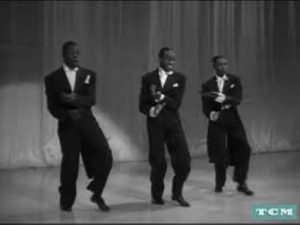
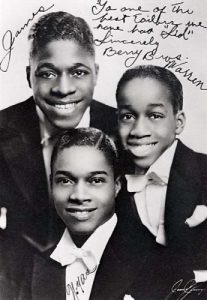
The brothers began their careers at a young age, growing up in an environment where rhythm and performance were part of everyday life. Like many talented African American performers of the early twentieth century, they entered show business through vaudeville, which was one of the few platforms available at the time. Vaudeville demanded versatility, discipline, and instant audience connection, and the Berry Brothers quickly stood out. Their early career phase was marked by steady upward growth as they refined their technique, timing, and stage presence while performing in touring shows and theaters.
As their reputation grew, so did their opportunities. The next stage of their career graph shows a sharp rise during the 1920s and early 1930s, a period when tap dance itself was becoming a national craze. Jazz music was exploding in popularity, and tap dance evolved alongside it as a visual and rhythmic expression of the same energy. The Berry Brothers were perfectly positioned for this moment. Their style matched the excitement of the era—fast, syncopated, musical, and full of personality.
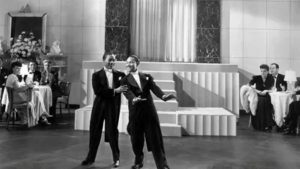
What made the Berry Brothers central to the tap dance craze was their innovative approach. Instead of treating tap simply as dance, they treated it as music. Their feet acted like instruments, engaging in call-and-response patterns with live jazz bands. This approach resonated deeply with audiences who were already captivated by swing rhythms and improvisation. As a result, the brothers’ performances felt modern, exciting, and unpredictable, fueling enthusiasm for tap dance as both entertainment and art.
During this peak phase of their career, the Berry Brothers performed at major venues, including renowned theaters in cities like New York. Appearances in Harlem’s vibrant entertainment scene further boosted their status. Harlem at the time was a cultural center for African American music and dance, and success there often meant recognition across the country. Their career graph during this period shows strong upward momentum, with increasing fame and influence.
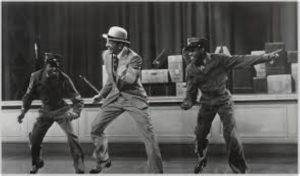
The dance craze surrounding tap was not just about technique; it was also about attitude and joy. The Berry Brothers embodied this spirit. Their performances were playful and competitive, often structured as friendly rhythmic “battles” between the two brothers. This format excited audiences and made tap dance feel accessible and fun, encouraging many young people to imitate what they saw on stage. Dance schools, social clubs, and amateur performers adopted elements of their style, helping spread the craze beyond professional theaters.
They acted in many Hollywood films, they made their debut in 1924 with $50,000 Reward followed by 1924 hits like Happy Days, The Blow Up, Oh, Teacher!, Low Bridge, Here He Comes, Speed Boys, Don’t Fall, then Baby Blues (1925), Happy Days (1926), Oh Boy (1927), The Newlyweds’ Christmas Party (1927), San Francisco (1936), The Music Goes ‘Round (1936), Lady Be Good (1941), Panama Hattie (1942), Boarding House Blues (1948), and their last film You’re My Everything (1949).
However, the Berry Brothers’ career graph also reflects the broader challenges of the entertainment industry. Despite their success, racial segregation limited access to certain stages, films, and mainstream promotions. While white tap dancers often transitioned more easily into Hollywood, Black performers like the Berry Brothers faced restricted roles and fewer long-term opportunities. As entertainment tastes began to shift in the late 1940s, tap dance gradually lost its dominance to other forms of music and dance.
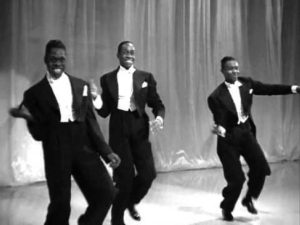
This period marks a leveling and eventual decline in mainstream visibility on their career graph, but not a decline in importance. Even as the public dance craze faded, the Berry Brothers’ influence deepened within the dance community itself. Younger dancers studied their rhythms, speed, and musical intelligence. Their techniques were absorbed into the foundation of modern tap training, ensuring that their innovations would survive even when tap was no longer at the center of popular culture.
Another important aspect of their legacy is how they helped redefine tap dance as a serious art form. During the height of the craze, tap was often viewed as light entertainment. The Berry Brothers challenged this perception by demonstrating complexity, structure, and improvisational depth. Their work showed that tap could stand alongside jazz as a respected musical discipline. This artistic elevation became especially important in later decades when tap dancers worked to preserve and revive the form.
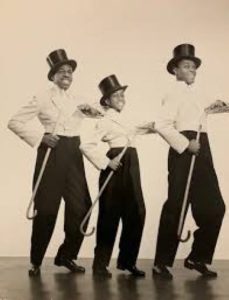
In retrospect, the career graph of the Berry Brothers mirrors the life cycle of tap dance itself: a strong rise from grassroots beginnings, a powerful peak during a national craze, and a quieter phase of lasting influence. While their names may not always be widely known outside dance history, their impact remains undeniable.
The Berry Brothers were key figures in both the growth of tap dance and the dance craze of the jazz era. Their career journey highlights innovation, resilience, and artistic excellence. By turning rhythm into conversation and movement into music, they helped shape an era—and left a legacy that continues to echo in every tap heard on a wooden floor today.
Sandip Soparrkar holds a doctorate in world mythology folklore from Pacific University USA, an honorary doctorate in performing arts from the National American University, He is a World Book Record holder, a well-known Ballroom dancer and a Bollywood choreographer who has been honored with three National Excellence awards, one National Achievement Award and Dada Saheb Phalke award by the Government of India. He can be contacted on sandipsoparrkar06@gmail.com
