

Zainab Priya Dala Interview: On The Architecture of Loss, Apartheid & Her Writing Journey

Saurabh Tankha
Her debut novel, What About Meera, won the inaugural Minara Aziz Hassim Literary Prize in South Africa and was longlisted for both the Etisalat Prize for Fiction—one of the most prestigious literary awards for African fiction—and the Sunday Times Barry Ronge Fiction Prize, South Africa’s largest literary honour. Her short stories also secured second prize in the Witness True Stories of KwaZulu Natal. In 2017, she received an honorary fellowship in writing at the International Writing Program at the University of Iowa.
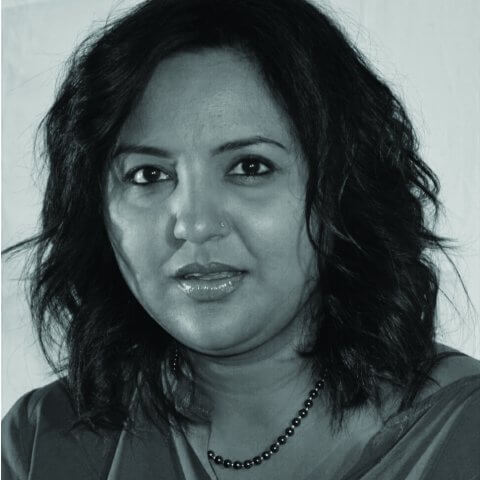
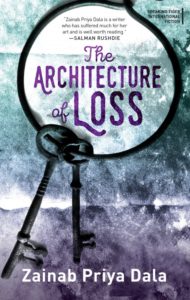
Meet Zainab Priya Dala, a freelance writer and psychologist who has lived and worked in Dublin and now resides in Durban, South Africa. She has recently been shortlisted for the Clara Johnson Award for Women’s Literature for her book The Architecture of Loss (Rs 399), published by Speaking Tiger. Here are excerpts from a quick email interaction with the author.
On Being Shortlisted for the Award
“I am happy to be shortlisted for this inaugural award because it celebrates excellence in women’s literature, which I am deeply passionate about. The other nominees are accomplished American writers, and I am the only foreigner nominated, which makes me proud. I wasn’t even aware of my nomination until I heard about the shortlist, and being a finalist itself is a great honour.”
Hopes of Winning
“I hope I do win. I have received positive feedback from American readers, but the competition is tough as the other nominees have very powerful books.”
Writing About Apartheid in The Architecture of Loss
“I am a South African woman of Indian descent, a fourth-generation Indian. My ancestors came to South Africa as indentured labourers in the late 1800s. I grew up during the height of apartheid, when Nelson Mandela was imprisoned and Winnie Mandela was actively campaigning against the system.
Experiencing apartheid firsthand living in segregated living areas, restrictions on public spaces, and racial discrimination in everyday life. In my early 20s when apartheid ended and Nelson Mandela was released. That transition—from a life defined by racism to one where race no longer dictated everything—was one of the most powerful moments of my life.”
On the Character Dynamics in the Novel
“I see Sylvie, Afroze’s mother, as someone burdened by lifelong guilt. Despite being a strong professional, she feels inadequate as a mother. She distances herself from Afroze because she fears forming a bond only to lose it again. While she believes she doesn’t deserve her child’s love, it is also what she desires the most.”
On the Controversy Around Salman Rushdie
“It was a very difficult time. My admiration for Salman Rushdie’s writing style—particularly magical realism—was misunderstood. This led to a violent assault by misinformed individuals.
I suffered severe PTSD and required medical and psychiatric care. My hospital stay was meant to provide rest and privacy, but unfortunately, that did not fully happen. Over the years, I have healed both physically and emotionally, and I continue to focus on my writing.”
Does Psychology Help in Writing?
“My background in physiotherapy and counselling has sharpened my ability to observe people—their behaviour, body language, and emotional nuances. These skills help me create believable and layered characters. I strongly believe that characters drive a story.”
Her Life Journey
“My parents are retired educators, and I grew up on a farm in Tongaat. I am also working on a memoir that reflects on growing up as a South African Indian woman and explores contemporary South Africa.
Post-apartheid South Africa has gone through challenging times, especially after the loss of leaders like Nelson Mandela and Ahmed Kathrada. My work reflects this journey of change, struggle, and reconciliation.”
Early Writing Influences
“My father, an English teacher, introduced me to books early. I wrote my first story at the age of six, and it was published in a newspaper. That experience showed me the power of writing.
I was deeply influenced by Roald Dahl, and later by classic authors like the Brontë sisters and Jane Austen. I also admire magical realists like Haruki Murakami and Carlos Fuentes, along with writers such as Vikram Seth and Manto.”
On Inspiration
“My parents have been my biggest inspiration. My father encouraged education, while my mother taught me to dream big. Their belief in me shaped who I am today.”
On Writing in a Competitive Market
“I don’t see writing as a competition. Even if my work wasn’t published, I would still write. For me, storytelling itself is the reward. I believe a good story eventually finds its audience.”
On Writer’s Block
“Yes, I experience writer’s block. When it happens, I shift between genres—fiction, non-fiction, poetry, even short plays. This keeps me creatively engaged.”
Future Plans
“I am currently working on my third novel and also exploring creative non-fiction, particularly memoir writing.”
