

Delhi Governance in Question: Monsoon Mismanagement, Pollution Concerns and Unfulfilled Promises
- L&M SPECIAL
 Life&More
- 0
- 6 minutes read

Ashish Sood
After eagerly waiting through nearly two-thirds of his tenure, the people of Delhi appear to be losing faith in the ambitious poll promises made by Arvind Kejriwal. The once-celebrated “corruption crusader” is now being questioned for failing to meet basic governance expectations. He is also accused of adopting a “distraction politics” approach on key public issues.
Monsoon Management: A Test of Governance in Delhi
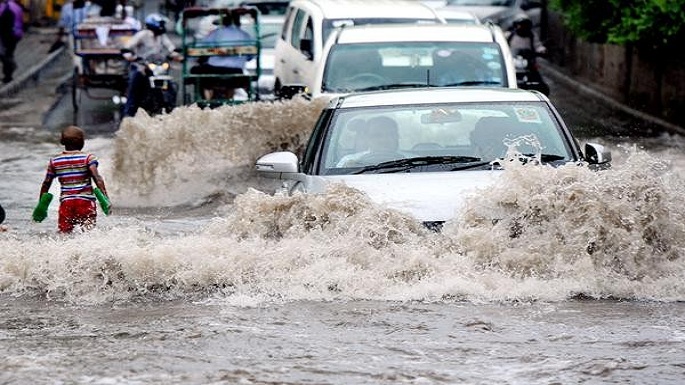
The monsoon season in Delhi is a benchmark to assess the efficiency of a government. From managing waterlogging, potholes, public transport, traffic congestion, and health concerns, this period demands vigilance.
However, during this crucial time, the CM— who has not retained any specific department to focus on public grievances — went on a 10-day leave to Bengaluru. This reflects a lack of direct oversight when the city needs active governance the most.
Environment Concerns vs Policy Actions
Back in Delhi, the government permitted tree cutting for a redevelopment project in South Delhi. Simultaneously, it engaged in environmental debates and blame games with the Centre. This dual approach has raised concerns over the consistency of the government’s environmental policies.
Despite claims of large-scale plantation drives, official data between 2015–17 indicates a decline in dense forest. It has declined from 6.94 sq km to 6.72 sq km, with only marginal additions to overall green cover. Questions are also being raised about delays in improving public transport infrastructure. And, this includes the procurement of buses aimed at reducing pollution levels.
Air Pollution and Power Plant Debate
If the government is serious about tackling Delhi air pollution, critics suggest stronger action on key contributors such as the Badarpur Thermal Power Station. According to a report by Indian Institute of Technology Kanpur, the plant contributes significantly to the capital’s PM2.5 levels.
There have also been calls to fully utilise the Bawana Gas Power Plant, with support assured by Union Minister Dharmendra Pradhan. Critics argue that a shift towards cleaner energy solutions is essential, rather than relying on short-term measures.
Infrastructure Gaps and Drain Desilting Issues
Another major concern highlighted is the incomplete drain desilting work before monsoon, which directly contributes to flooding and waterlogging.
Data from the Public Works Department (PWD) shows that only 27% of drains along 1,034 roads were desilted, with no work carried out on drains along 209 major roads. This has raised serious questions about preparedness and infrastructure management in the city.
Allegations of Political Distraction
Critics claim that the government has repeatedly diverted attention from core civic issues through political actions. During a period marked by water shortages and power outages, a high-profile protest at the Lieutenant Governor’s residence became a focal point of political discourse.
While none of the key demands were met, the protest was called off and presented as a success. Observers argue that such moves have overshadowed pressing governance issues, including promises related to Wi-Fi access, new schools, colleges in rural areas, regularisation of unauthorised colonies, and sewage systems.
Conclusion: Governance vs Promises
The debate around governance in Delhi continues to centre on whether policy actions are aligned with public expectations. Issues such as urban infrastructure, pollution control, and civic management remain critical for the city’s future.
Ashish Sood is general secretary and in-charge, publicity department of BJP Delhi,
Prabhari, BJP Chandni Chowk District. The views expressed in this article are
personal and the website does not subscribe or endorse them
