

Step into History: Explore Bara Imambara and Bhulbhulaiya in Lucknow
- CULTURE & HERITAGE TRAVEL & LEISURE
 Life&More
- 3
- 6 minutes read

Rajkumari Sharma Tankha
I love travelling, exploring new places, and learning how people live, what they eat, and what they wear. It’s something I genuinely enjoy.
Lucknow has been on my mind for a long time. I had heard so much about this historic city—its Bara and Chhota Imambaras, the famous Bhool Bhulaiya, its mouthwatering food, and the iconic pehle aap-pehle aap culture. I wanted to experience it all firsthand. Last year, when my daughter was called by the DGMS, Lucknow for her NEET counselling, I was thrilled—it finally gave me a chance to visit the city I had longed to explore.
Apart from the famous Chikan suits, sarees, and non-veg delights like Tunde Kebabs, Lucknow is home to incredible landmarks: Chota Imambara, Clock Tower, British Residency, Crocodile Rehabilitation Centre, Begam Hazrat Mahal Park (built to honour the Awadh queen for her contribution in the First War of Independence, 1857), Kaiserbagh Palace Complex, and the scenic Gomti Riverfront. But it is Bara Imambara that holds pride of place among the city’s heritage monuments.
The Legacy of Bara Imambara
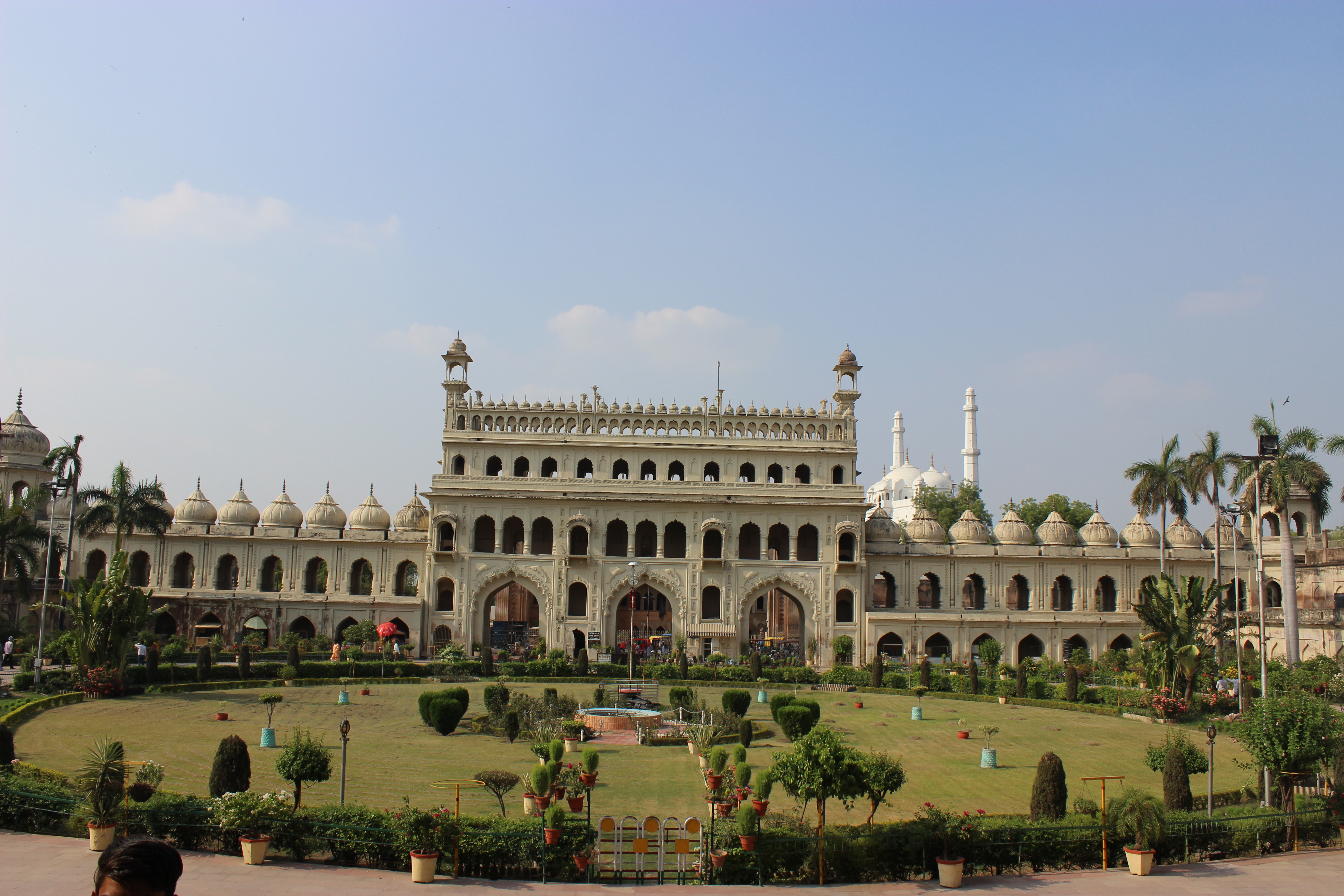
Built by Asaf-ud-Daula, the fourth Nawab of Awadh, in 1784, and designed by Delhi architect Kifayatullah, Bara Imambara is a notified heritage monument. Also known as Asfi Imambara, it was constructed as part of a famine relief project.
The guide told us that over 20,000 men worked on the complex—some constructing during the day while others dismantled portions at night. This unique approach ensured that no one went without work. The project continued for 11 years, reflecting the Nawab’s commitment to his people—a lesson that modern leaders could learn from.
Since its construction, Bara Imambara has remained an important place of worship for Muslims, especially during Muharram. We visited in May during the hot summer, yet the monument was brimming with visitors—a testament to its enduring popularity.
The architecture of this 233-year-old structure is astonishing. Its central hall, the largest arched hall in the world, measures 50 meters long and 15 meters high. The interlocking brick system, without girders or beams, supports the roof for over 200 years, with the weight balanced perfectly on arched doors, windows, and corridors.
Explore Bhulbhulaiya and Hidden Tunnels
The Bhulbhulaiya maze, located on the upper floor, is a must-see. A stairway leads to this level, offering a scenic panoramic view of Lucknow. The maze is best explored with a guide, who can help navigate its twists and turns. Legend says treasures are hidden in its secret tunnels.
The proverb deewaron ke bhi kaan hote hain originates here. Even whispers on one wall can be heard clearly on the other—a clever communication technique used during attacks. The complex also has underground tunnels leading to Delhi, Faizabad, and Allahabad, sealed after British soldiers reportedly disappeared while searching for royal treasures.
Bara Imambara also features a stepwell, Shahi Baoli, now closed to the public. This Baoli supplied water for the complex’s construction and acted as a surveillance point. It is said that a Dewan, guardian of the Nawab’s treasure, committed suicide here to escape arrest by the British.
Visiting Details:
- Open from 6:00 AM to 5:00 PM
- Guided tours recommended for Bhulbhulaiya
Exploring Lucknow through its monuments, food, and culture was a magical experience. Bara Imambara, in particular, stands as a testament to the city’s rich heritage and Nawabi legacy.

3 Comments
informative piece
good post nice information……….Read more about career,exam,colleges,admission check the link
Educationasia.in
This content is really informative, thanks for sharing,
even i found an amazing content, have a look at this.
srmgeet