

Eating More Fruits and Vegetables May Reduce Risk of Heart Disease and Cancer

Team L&M
If you needed another reason to increase your intake of fresh fruits and vegetables, here it is. According to research published in the International Journal of Epidemiology, eating up to 10 portions of fruits and vegetables daily can significantly reduce the risk of heart disease, cancer, stroke and premature death.
The study highlights the important role that a plant-rich diet plays in maintaining overall health and protecting the body from several lifestyle diseases.
Best Fruits and Vegetables for Heart Health
Nutrition experts recommend including a variety of fruits and vegetables in your daily diet. Fruits such as apples, pears and citrus fruits are particularly beneficial for maintaining heart health.
Among vegetables, the following are especially good for protecting against cardiovascular diseases:
-
Spinach
-
Lettuce
-
Chicory
-
Broccoli
-
Cabbage
-
Cauliflower
These foods are known to help improve blood vessel health, lower cholesterol levels and regulate blood pressure, thereby reducing the risk of heart-related ailments.
Vegetables That Help Reduce Cancer Risk
Research also suggests that green and colourful vegetables play a role in lowering the risk of certain cancers.
Vegetables such as spinach, green beans, peppers, carrots, broccoli, cabbage and cauliflower are rich in vitamins, antioxidants and fibre, which help strengthen the immune system and protect the body from harmful cell damage.
The Hidden Risks in Fruits and Vegetables
While increasing the intake of fruits and vegetables is beneficial, consumers must also be cautious about artificial ripening agents and chemical treatments used during cultivation and storage.
One commonly used artificial ripening agent is calcium carbide, often sold in markets under the name masala. Although it speeds up the ripening process, the chemical is banned in many countries due to serious health risks.
Calcium carbide is corrosive in nature and may contain traces of arsenic and phosphorus hydride. Consumption of fruits ripened using this chemical can lead to stomach problems and other health complications, and it is also believed to have carcinogenic properties.
Watch Out for Wax-Coated Fruits
Some fruits, particularly apples, are often coated with wax to make them appear shiny and attractive. To check whether an apple has been waxed, gently scrape its surface with a knife. If wax is present, it will appear as small shreds.
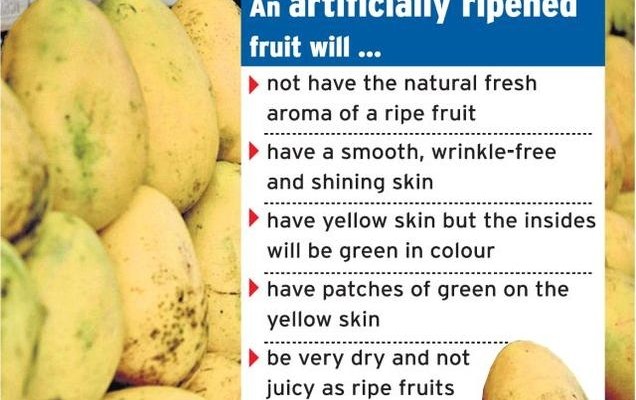
How to Identify Artificially Ripened Fruits
Fruits like mangoes and bananas are often artificially ripened to improve their appearance.
Uniformly coloured fruits that appear perfectly ripe may have been chemically treated. Instead, it is advisable to choose fruits that are naturally ripened and slightly uneven in colour, even if they look less visually appealing.
How to Reduce Chemical Residue
Many fruits and vegetables such as grapes, brinjal and tomatoes are often treated with fungicides and insecticides to protect crops and enhance their appearance.
Since some of these chemicals cannot be completely removed through simple washing, experts recommend soaking fruits and vegetables in warm salt water for a few minutes before consumption. This method helps reduce the presence of harmful residues.
A Balanced Approach to Healthy Eating
Fruits and vegetables remain an essential part of a healthy, balanced diet. Choosing fresh produce and take simple precautions while washing and preparing them. This way you can enjoy nutritional benefits and minimise potential risks.
