

Cities Underwater – How Infrastructure Failures Swamp Pune and Mumbai
- PROPERTY & HOUSING
 Life&More
- 0
- 5 minutes read

Akash Pharande
Pune and Pimpri-Chinchwad have emerged as two of India’s fastest-growing real estate markets. In just five years, home sales in Pune rose from 60,000 in 2019 to 90,000 in 2024. This marks a sharp 50% increase. While this real estate boom has boosted the local economy, it has also exposed serious urban infrastructure challenges.
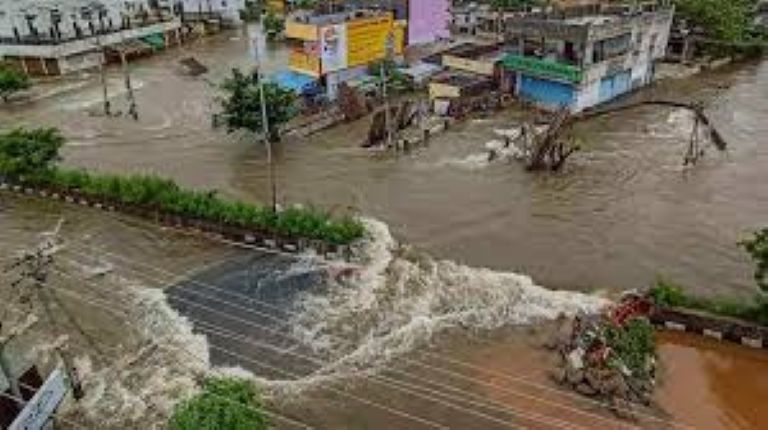
These gaps are creating long-term risks for the city. Mumbai offers a clear warning. Recent flooding has once again disrupted life in India’s financial capital. Delays in the Mithi River flood management plan have worsened the situation. Critical infrastructure such as interceptor drains, pumping stations, and floodgates remains incomplete. Mumbai’s outdated drainage system cannot handle heavy monsoon rainfall, leaving low-lying areas flooded.
Pune faces similar challenges. Delays in separating stormwater and sewage systems have increased flood risks. Slow progress on flood protection walls along Ambil Odha and other drains has left many areas vulnerable. In Hinjewadi IT Park, delays in culvert construction have caused frequent waterlogging, even during moderate rainfall.
From Real Estate Boom to Infrastructure Crisis
Urban infrastructure has not kept pace with rapid real estate development in India. This issue affects most Indian metros. Roads, water supply, sewage systems, and waste management are under pressure. Peripheral and newly developed areas face the worst impact.
The results are clear:
- Traffic congestion and overcrowded roads
- Water shortages and power issues
- Poor waste management and rising landfills
- Frequent urban flooding
These challenges reduce quality of life and slow economic growth. Delays in infrastructure projects often stem from complex approvals, overlapping authorities, and weak enforcement.
Delayed Projects and Planning Gaps
Several key infrastructure projects in Pune and PCMC remain delayed. The Kharadi-Keshavnagar bridge has faced over a decade of delays. It could significantly ease traffic on the Pune-Solapur highway. Pune Metro Phase 2, including the Swargate-Katraj and Hinjewadi-Shivajinagar routes, is also behind schedule. Drainage upgrades and road widening projects in many areas remain incomplete.
Authorities often cite funding and land acquisition issues. However, policy conflicts and administrative delays also play a major role. As a result, citizens continue to face daily challenges.
The Need for Urgent Action
Pune must act quickly to avoid the path of unsustainable urbanisation seen in Mumbai. Authorities need to shift focus from planning to execution.
Key priorities include:
Better coordination between PMRDA, PCMC, and PMC
Faster development of roads and public transport
Upgraded drainage and sanitation systems
Improved water supply infrastructure
Increased use of public-private partnerships and municipal bonds
Digitisation of approval processes
Protection of green spaces and water bodies
The Cost of Inaction
Delays in infrastructure development come at a high cost. Urban flooding, pollution, and traffic congestion continue to rise. Commuting becomes longer and more expensive. Business productivity declines. Environmental damage increases year after year.
Citizens face unequal access to water, sanitation, and transport. Congestion also increases fuel consumption and pollution. Over time, this weakens the entire urban economy.
The recurring flooding in Pune and Mumbai should serve as a wake-up call. However, frequent exposure has led to acceptance. This normalisation of poor infrastructure is one of the biggest concerns for India’s growing cities.
Akash Pharande is Managing Director – Pharande Spaces
