

Geometry, Volume, and Experience: Creating Spatial Identity Through Design
- HOME INTERIORS & STYLING
 Life&More
- 0
- 3 minutes read

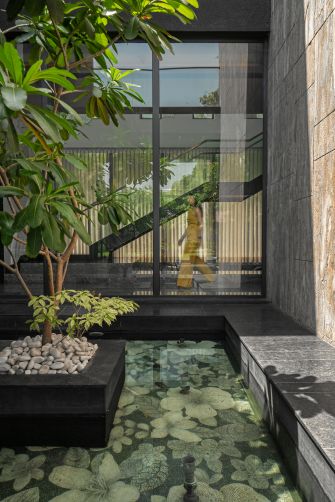
Ar. Sudhir Ambawata & Ar. Saumya Khanna
In contemporary architecture, spatial identity is no longer defined by ornament or surface treatment alone. Instead, it is shaped by the fundamental relationship between geometry, volume, and human experience. As homes and built environments become more conscious of how they are lived in, architects are turning to form, proportion, and spatial sequencing as primary tools to create meaningful and memorable spaces.
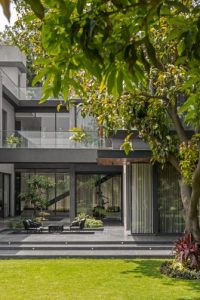
Geometry acts as the underlying order that structures a building. Clean lines, controlled grids, and carefully offset planes bring clarity and balance to complex programmes. When used with restraint, geometry provides a sense of calm and legibility, allowing spaces to feel composed rather than overwhelming. It is not about rigid symmetry, but about finding harmony through proportion and alignment—where each element feels deliberate and connected to the whole.
Volume, on the other hand, defines how a space is perceived and experienced. Double-height living areas, compressed entry zones, and expanding transitional spaces create moments of contrast that guide movement and emotion. The play of scale—between intimate and expansive—allows architecture to respond to both functional needs and sensory perception. Volume becomes a tool to frame light, enhance ventilation, and create visual continuity across levels, making even compact homes feel generous and layered.
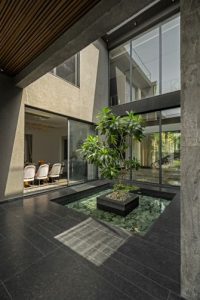
Experience emerges at the intersection of geometry and volume. As one moves through a space, the shifting relationships between height, width, and enclosure shape how the architecture is felt. Subtle changes in floor levels, staggered walls, and framed views introduce rhythm and anticipation, transforming circulation into an experience rather than a mere transition. These spatial pauses and reveals foster engagement, encouraging occupants to slow down and become aware of their surroundings.
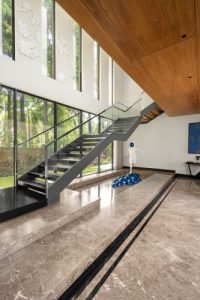
Material and light further reinforce spatial identity without overpowering it. Neutral palettes, textured surfaces, and natural finishes allow geometry to remain legible, while daylight animates volumes throughout the day. Shadows, reflections, and changing light conditions bring depth to simple forms, ensuring that spaces evolve with time rather than remain static.
In dense urban settings, where external expression is often constrained, spatial identity is increasingly crafted from within. Geometry and volume enable architects to create homes that feel distinctive, personal, and rooted in experience rather than excess. By focusing on how space is shaped and perceived, architecture moves beyond visual impact to create environments that resonate emotionally—spaces that are not just seen, but truly lived in.
Ar. Sudhir Ambawata and Ar. Saumya Khanna are Founders of SSDA Architects
