

Designing Homes Around Real Life: Practical Insights from an Interior Designer
- HOME INTERIORS & STYLING
 Life&More
- 0
- 3 minutes read

Shivani Gupta Mittal
Designing a home around real life begins with understanding how people actually use their spaces. Every home has its own rhythm, shaped by the habits and routines of the people living in it. When design grows from these everyday patterns, the result is a home that is comfortable, practical, and easy to live in. Instead of forcing a lifestyle to match a layout, the layout is shaped to support the lifestyle.
The first step is observing the natural flow of the household. How does the family start and end their day.Which spaces see the most activity.Where does clutter collect. These answers form the base for planning. A home designed this way feels intuitive because every corner has a purpose. Storage sits where it is actually needed, furniture suits the size of the room, and movement from one area to another feels smooth. This reduces daily stress and makes the home more organised.
Another key aspect is planning spaces so they function well without feeling complicated. Like, the kitchen must allow easy movement between the stove, sink, and counter. Living areas should give enough space for conversation without feeling cramped. Bedrooms should feel restful and free from noise. Good planning also considers how natural light enters the home, how ventilation moves through rooms, and how easy it is to maintain the finishes over time. When these basics are in place, the home works well day after day.
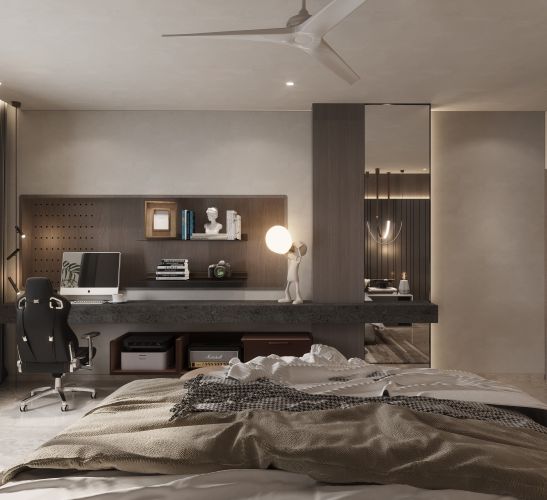
Designing around real life also means planning for flexibility. Life changes — children grow, work patterns shift, and families expand. A study corner may later become a small reading nook, or a guest room may turn into a workspace. When spaces are designed with adaptability in mind, the home remains relevant for years. Movable furniture, neutral backdrops, and smart layout choices make it easier to update the space without major changes.
Flow between spaces is another important factor. Every home benefits from a clear, logical transition from public areas to more private ones. The living, dining, and kitchen areas should feel connected enough for family interaction, yet not so open that they sacrifice comfort. Bedrooms, work areas, and personal corners need a sense of separation to offer privacy. When flow is planned well, the entire home feels more balanced.
Personal elements hold an important place in real-life design. These don’t have to be large or decorative. Simple choices like a favourite colour palette, a display wall for family photos, or a custom shelf for hobbies make the home feel personal without cluttering it. These details remind residents that the space reflects their identity and routines, not a showroom image.
In the end, designing homes around real life is about bringing comfort, function, and personal meaning together. A well-designed home feels natural to live in. It supports daily tasks, grows with the family, and brings a quiet sense of ease. When a home is planned with real people and real routines in mind, it becomes a place that works, not just a place that looks good.
Shivani Gupta Mittal is Principal Designer, House of Lalittya
