

Udhamapur’s GI-tagged “Kaladi” to be upscaled for diverse food recipes
- FOOD & BEVERAGES
 Life&More
- 0
- 3 minutes read

Team L&M
Union Minister of State (Independent Charge) for Science & Technology and Earth Sciences, Dr. Jitendra Singh has stated that Kaladi should be upscaled for wider food applications and recipes. But care should be taken to preserve its original flavour, texture, and nutritional identity. He said this while addressing the scientists of CSIR-Central Food Technology Research Institute, Mysuru and CSIR-Indian Institute of Integrative Medicine, Jammu.
What is Kaladi
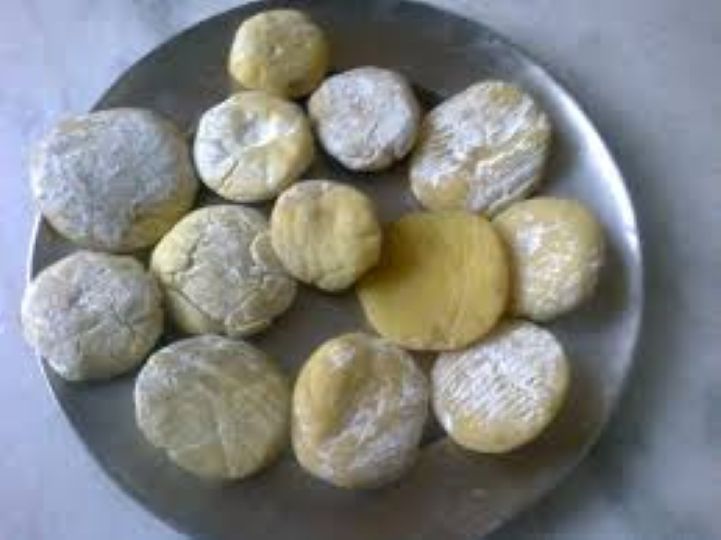
Kaladi is a GI-tagged traditional dairy product of Udhampur district, Jammu & Kashmir. It is quite popular, dense, and stretchy Jammu cheese, pan-fried for a crispy exterior and gooey interior, served often in kulcha (bread). The cheese, made from raw milk, is a staple street food from Udhampur. Traditionally prepared from raw full-fat milk using whey water as a coagulant, Kaladi gained economic importance after receiving the GI tag, improving livelihoods and employment opportunities for local communities, particularly rural youth. However, its short shelf life of a few days, especially under non-refrigerated conditions, remains a major bottleneck for wider distribution.
The Minister said that the focus should be on value addition and enhancement of shelf life, enabling Kaladi to reach national and international markets under the Government’s “One District One Product” (ODOP) initiative.
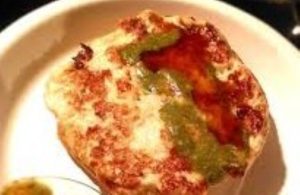
Kaladi Kulcha
“Any scientific intervention must be carefully calibrated so that nutrition, taste, and native character are not compromised,: he said adding that limited shelf life is the biggest constraint in expanding Kaladi beyond local markets. “Improving shelf life through scientific validation, proper packaging, and processing, without altering its core properties, is essential for marketability and export potential,” he said.
The Minister also highlighted the scope for food recipe diversification, including fresh consumption, functional forms and alternative culinary applications, provided the traditional milky flavour, mouthfeel, and stretchable texture of Kaladi are retained. He stressed that Kaladi’s uniqueness, often referred to as the “mozzarella of Jammu”, must remain intact even while exploring scalable formats.
He directed the scientists to jointly work on nutrient profiling, characterisation, value addition, and shelf-life enhancement of Kaladi. The Minister asked the two premier CSIR laboratories to collaborate closely and provide initial observations within weeks, with a comprehensive outcome expected within six months.
