

Why Cooking in Earthenware Is Healthier and More Delicious
- FOOD & BEVERAGES
 Life&More
- 0
- 7 minutes read

Rajkumari Sharma Tankha
Do you ever wonder why handi biryani tastes more flavorful than pressure-cooked biryani? Or why dahi from Punjabi villages is sweeter and creamier than the yogurt set in your home steel containers?
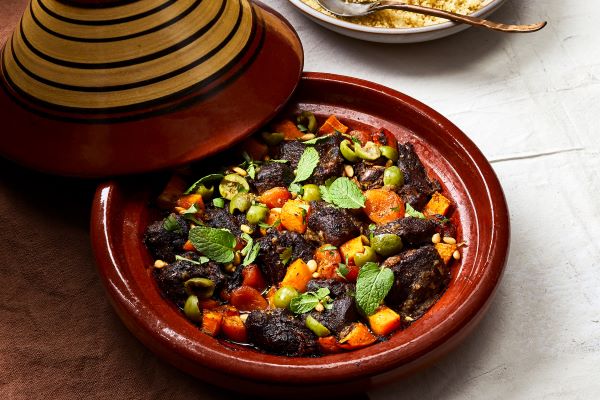
The secret lies in the type of cookware used. The earthenware or clay pots impart a unique aroma, taste, and nutritional advantage that modern utensils often cannot match. Once a staple in every Indian household, earthen cookware has slowly become obsolete—but its benefits are undeniable.
The Return to Earthenware Cooking
I remember my grandfather insisting on cooking dal in an open clay pot over a slow flame of an angeethi, while the rest of the family used pressure cookers or steel pans. He believed that food cooked in earthenware retained its nutrients and had superior taste.
Over time, earthen pots disappeared from our kitchens, replaced by aluminum and steel utensils. But today, more people are going back to traditional cooking methods, realizing the health and environmental benefits of earthen cookware.
Benefits of Cooking in Earthenware
-
Retains Nutrients:
Clay pots preserve essential minerals like calcium, phosphorus, iron, magnesium, and sulphur, making your food more nutritious. -
Enhances Flavor and Aroma:
The porous nature of earthen pots allows heat and moisture to circulate evenly, giving an earthy aroma and richer taste to food. -
Balances pH Levels:
Earthenware is alkaline, which neutralizes acidity in foods like tomatoes and tamarind. This helps reduce acidity-related digestive issues. -
Slow Cooking Advantage:
Clay pots are perfect for slow-cooked dals, curries, and rice dishes, allowing flavors to develop fully. -
Keeps Water Cool:
Storing water in earthen vessels allows natural evaporative cooling, keeping water fresh and cool. -
Environment-Friendly:
Earthenware is made from natural clay. It is biodegradable and eco-friendly, unlike aluminum, steel, or glass utensils.
Tips for Cooking in Earthen Pots
-
Heat the pot gradually; sudden temperature changes can crack the clay.
-
Avoid adding cold water to a hot clay pot.
-
To clean stuck food, soak the pot in plain water; do not use detergent.
-
Use lightly glazed earthenware for higher temperature cooking.
-
Explore terracotta, ceramic, or cream ware pots that combine tradition with durability.
Health and Culinary Takeaway
Cooking in earthenware is more than nostalgia—it’s about health, taste, and sustainability. From retaining nutrients to enhancing flavors and being eco-friendly, clay pots are a perfect choice for modern kitchens.
So, bring back earthenware into your kitchen. Cook your dals, sabzis, and rice the traditional way and enjoy the nutritious and aromatic difference that only clay pots can offer.
